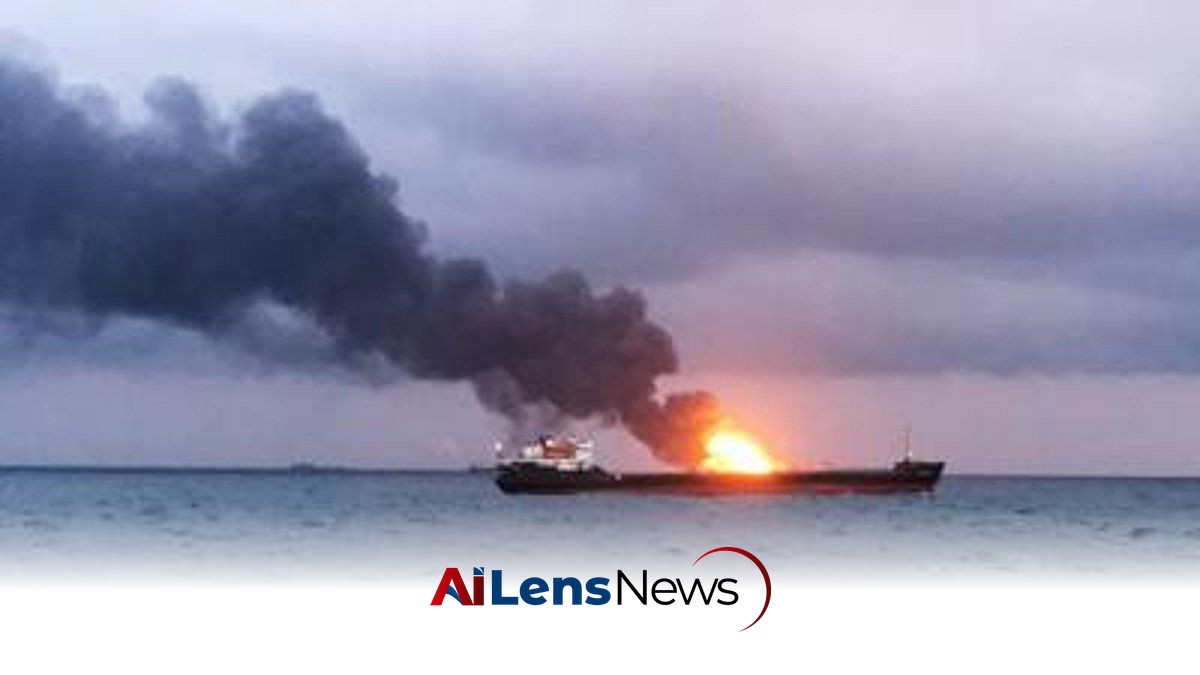


An oil tanker exploded in the Strait of Hormuz after hitting a naval mine, reportedly deviating from its designated route, amid rising tensions in the region.
New Delhi, India Jul 27, 2026 ALN: Tehran: An oil tanker exploded in the Strait of Hormuz after striking a naval mine, local media reported on Sunday. This incident highlights the ongoing geopolitical tensions in the region, particularly involving maritime security and the safety of vital shipping routes. The Strait of Hormuz is not only a critical juncture for global energy supplies but also a focal point of international diplomatic and military maneuvering, making any incident within its waters significant in both immediate and broader contexts.
The vessel reportedly deviated from the route designated by Iran and was located in an area outside the safe maritime traffic corridor, despite previous warnings issued by Iranian authorities. The deviation from the prescribed route could have been a critical factor that led to the tanker’s encounter with the naval mine. Such deviations are not uncommon in the busy maritime traffic of the region, where navigational challenges and geopolitical tensions can lead to miscalculations or deliberate diversions.
The Strait of Hormuz is a narrow waterway that connects the Persian Gulf with the Gulf of Oman and the Arabian Sea. It is one of the world’s most important energy corridors, carrying a significant percentage of the world's oil and liquefied natural gas exports from major Gulf producers, including Saudi Arabia, Iraq, and the United Arab Emirates, to international markets. The strait is so vital that it is often referred to as the "jugular vein" of the global energy supply. Approximately 20% of the world’s total oil consumption passes through this narrow passage, underscoring its strategic importance not only to the Gulf states but also to economies worldwide.
The reported explosion comes amid heightened tensions in West Asia, particularly following the recent military exchanges between the United States and Iran. The U.S. has maintained a significant military presence in the Gulf region, citing the need to ensure the safety of shipping lanes and to deter Iranian aggression. In recent months, there have been multiple incidents involving attacks on tankers, drone strikes, and other military provocations, contributing to an atmosphere of uncertainty and risk for maritime operations in the area. These incidents have raised concerns about the potential for broader conflict, drawing in various regional and international actors.
The implications of such incidents are far-reaching. An explosion in the Strait of Hormuz not only endangers the lives of crew members aboard the vessel but also poses risks to the environment, as oil spills can have devastating effects on marine life and coastal ecosystems. Furthermore, disruptions to shipping in this strategic waterway can lead to spikes in global oil prices, impacting economies around the world. The ripple effects of such incidents can be felt in consumer prices, inflation rates, and overall economic stability, making the security of this region a concern for global leaders.
In this particular incident, reports indicate that the vessel had a crew of 30 members who sought assistance after the explosion. The response from maritime authorities and the international community will be closely monitored, as it could influence future maritime security policies and operations in the region. The rescue operations and subsequent investigations will likely involve multiple stakeholders, including the ship's owning company, flag state, and potentially affected nations.
Historically, the Strait of Hormuz has been a flashpoint for conflict. In the 1980s, during the Iran-Iraq War, the waterway was the site of numerous attacks on oil tankers, leading to what was known as the "Tanker War." More recently, tensions have escalated following the U.S. withdrawal from the Iran nuclear deal in 2018 and the subsequent re-imposition of sanctions on Iran. These sanctions have severely impacted Iran's economy and its oil exports, leading to retaliatory threats and actions from Iranian forces. The geopolitical landscape in the region remains complex, with various factions vying for influence and control over critical resources and strategic routes.
The presence of naval mines in the Strait of Hormuz raises concerns about the tactics employed by various actors in the region. Mines are a relatively low-cost way to disrupt maritime traffic and can be deployed covertly, making them a favored tool for asymmetric warfare. The use of naval mines can complicate naval operations for larger fleets, as they must navigate carefully to avoid potential hazards, which can slow down shipping and increase insurance costs for vessels operating in the area. This tactic poses a significant challenge for naval forces tasked with ensuring safe passage for commercial shipping while also maintaining a deterrent presence against hostile actions.
Moreover, the incident underscores the importance of international cooperation in ensuring maritime security. The Strait of Hormuz is a shared waterway that is crucial for many nations, and collaborative efforts among countries to monitor and secure the area are essential. The United Nations and various regional organizations have called for dialogue and de-escalation to prevent further incidents that could lead to broader conflict. The need for a coordinated response to threats in this vital corridor is more pressing than ever, given the potential for miscalculations to lead to armed confrontations.
In the wake of this explosion, it is likely that shipping companies will reassess their routes and security measures when transiting through the Strait of Hormuz. This may involve increased coordination with naval forces patrolling the area, as well as heightened vigilance for potential threats. Additionally, insurance premiums for shipping through the strait may rise, reflecting the increased risk associated with maritime operations in a volatile environment. Companies may also invest in additional safety measures, including enhanced surveillance and communication systems, to protect their assets and personnel.
As investigations into the explosion continue, the international community will be watching closely for responses from both Iranian authorities and other nations involved in the region. Diplomatic efforts may be necessary to address the underlying tensions that contribute to such incidents, as well as to establish protocols for preventing future occurrences. The potential for escalation into a larger conflict remains a concern, especially if retaliatory actions are taken in response to the incident.
In summary, the explosion of the oil tanker in the Strait of Hormuz serves as a stark reminder of the fragility of maritime security in one of the world’s most critical energy corridors. As tensions persist and the geopolitical landscape evolves, the safety of shipping routes will remain a paramount concern for nations reliant on the flow of oil and gas through these strategic waters. The incident not only poses immediate risks to maritime safety but also highlights the broader implications for international relations, economic stability, and environmental protection in an increasingly interconnected world.
To learn more about the latest developments in Culture & Society, stay updated with our exclusive reports and analyses on AiLensNews.

