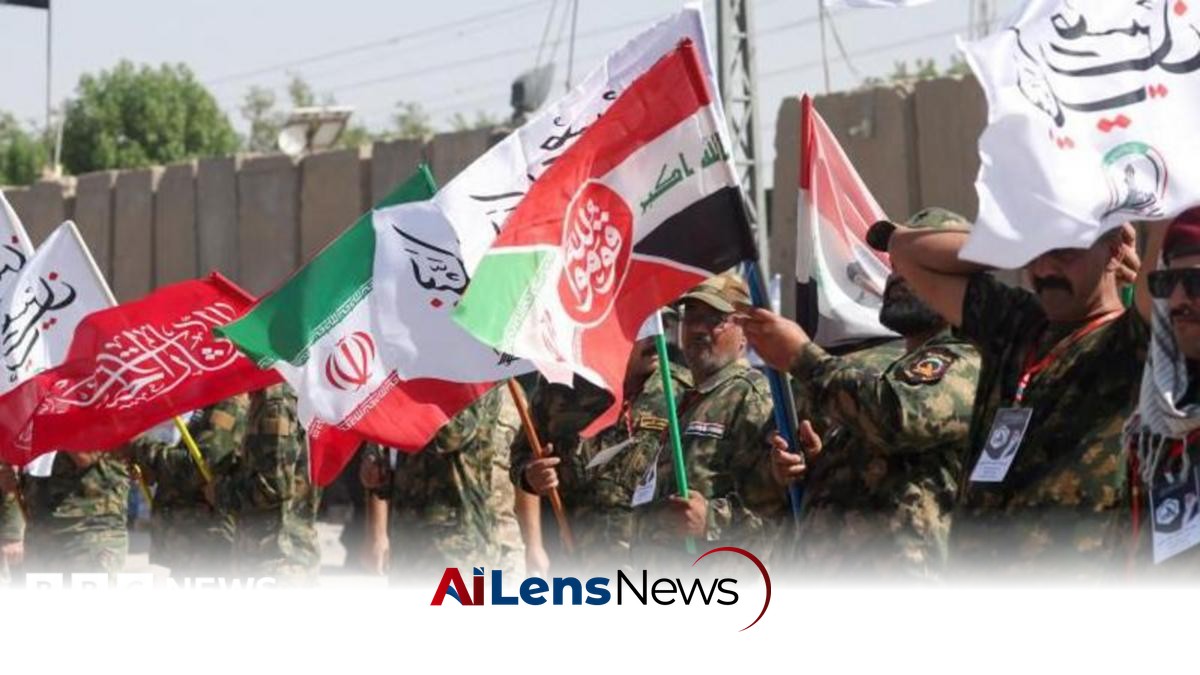


Iran has intensified attacks on US military bases in the Gulf, while the US retaliates with airstrikes across Iran, escalating regional tensions.
New Delhi, India Jul 16, 2026 ALN: Tehran has launched fresh attacks on US military bases in neighbouring Gulf states, while Washington continued to strike sites across Iran overnight.
These recent developments mark a significant escalation in hostilities between Iran and the United States, which have been engaged in a tense standoff for several years. The renewed violence comes amid ongoing negotiations that had aimed to stabilize relations and potentially restore the nuclear agreement that was abandoned by the US in 2018 under the Trump administration. The situation has become increasingly precarious, with both sides exchanging military strikes that threaten to destabilize an already volatile region.
Tehran reported targeting locations in Jordan, Kuwait, and Bahrain, marking the sixth day of renewed hostilities that threaten a preliminary deal aimed at ending the conflict. The attacks reflect Iran's strategic approach to retaliate against US military presence in the Gulf, which it views as a direct threat to its national security and regional influence. The choice of targets, which include US bases and allied nations, underscores the complexities of regional alliances and the potential for broader conflict involving multiple countries.
The US military responded with a six-hour wave of strikes in multiple locations, aiming to "degrade Iran's ability to threaten innocent mariners" in the Strait of Hormuz. This vital waterway is crucial for global oil shipments, and any disruption can have far-reaching implications for the global economy. The US strikes targeted command centres, air defence sites, and coastal surveillance facilities across Iran, including significant locations such as the port city of Bandar Abbas and Greater Tunb Island, according to US Central Command (Centcom).
These military actions are indicative of a strategy by the US to assert its dominance in the region and deter Iranian aggression. However, they also risk escalating tensions further, as Iran has vowed to retaliate against any perceived acts of aggression. Explosions were reported throughout Iran, with air defences activated in Tehran, as confirmed by Iranian state media. The activation of air defences indicates a heightened state of alert within Iran, reflecting the seriousness with which it views the US strikes.
Iran's foreign ministry spokesman, Esmaeil Baqaei, stated that a children's cancer treatment centre in Ahvaz had to be evacuated following strikes on a nearby location, highlighting the potential humanitarian impacts of military actions in populated areas. Such incidents can exacerbate anti-US sentiments within Iran and complicate diplomatic efforts aimed at de-escalation. Video footage authenticated by BBC Verify showed strikes on three coastal cities in Iran: Chabahar, Ahvaz, and Bandar Abbas, further illustrating the extent of the US military campaign.
Shortly thereafter, US allies in the Gulf reported attacks, with Kuwait's military intercepting drone strikes and Bahrain's interior ministry advising citizens to remain calm and seek safety. The involvement of Gulf states in the conflict complicates the regional dynamics, as these nations are often caught between their alliances with the US and their geographical proximity to Iran. The potential for spillover effects into these countries raises concerns about broader regional instability.
The Iranian military claimed to have targeted US communication systems and fuel storage facilities in Jordan during its latest round of strikes. This assertion reflects Iran's strategy of targeting not only military assets but also logistical and support structures that sustain US operations in the region. By striking at the heart of US capabilities, Iran seeks to undermine American influence and demonstrate its own military capabilities.
As tensions escalate, the Strait of Hormuz—a vital waterway off Iran's coast—remains effectively blocked in response to US-Israeli strikes. This strategic chokepoint is critical for the transportation of oil and gas from the Persian Gulf to global markets. The potential for a complete blockade of the Strait could lead to significant increases in oil prices, affecting economies wide. On Tuesday, the US announced the resumption of a blockade on Iranian ports, which had been lifted as part of a previous agreement between the two nations, indicating a hardening of US policy towards Iran.
The following day, the US disabled a Curacao-flagged oil tanker that was reportedly attempting to sail towards a blockaded Iranian port. This action underscores the US's commitment to enforcing its sanctions and maintaining pressure on Iran's economy, which has been severely impacted by previous sanctions and the ongoing tensions. In reaction to the renewed US blockade, Iran's Revolutionary Guard Corps warned that the US should "expect the closure of other oil and gas export routes that serve the interests of the United States and its allies," without specifying which routes might be affected. This statement reflects Iran's willingness to escalate the conflict and its capability to disrupt global oil supply chains.
As the dispute over the Strait of Hormuz continues, global oil prices have surged due to a significant slowdown in tanker traffic through this key shipping lane. The increase in oil prices can have immediate economic repercussions, leading to higher costs for consumers and businesses wide. The implications of sustained conflict in this region extend beyond immediate military concerns, as energy markets react to the uncertainty and potential for further disruptions.
Despite the ongoing hostilities, Trump acknowledged what he perceived as a goodwill gesture from Tehran in the release of an American detainee, whom he claimed had been "wrongfully detained" since December 2024. This situation illustrates the complexities of diplomatic relations, where even amidst military conflict, there are efforts to find common ground. "The United States of America appreciates this gesture of goodwill by Iran!" Trump stated on his Truth Social platform. The detainee, Dena Karari, was reportedly on her way back to the US, according to her attorney, Jared Genser. Her release could be seen as a potential opening for negotiations, although the broader context of military actions complicates the prospect of meaningful dialogue.
In conclusion, the ongoing hostilities between Iran and the US represent a critical flashpoint in regional and global geopolitics. The escalation of military actions, coupled with the potential for significant economic repercussions, highlights the urgent need for diplomatic efforts to de-escalate tensions. The situation remains fluid, with both sides demonstrating a willingness to engage in military actions while also leaving the door open for negotiations. The international community watches closely, as the implications of this conflict could have far-reaching effects on global stability and security.
To learn more about the latest developments in Regions & Countries, stay updated with our exclusive reports and analyses on AiLensNews.

