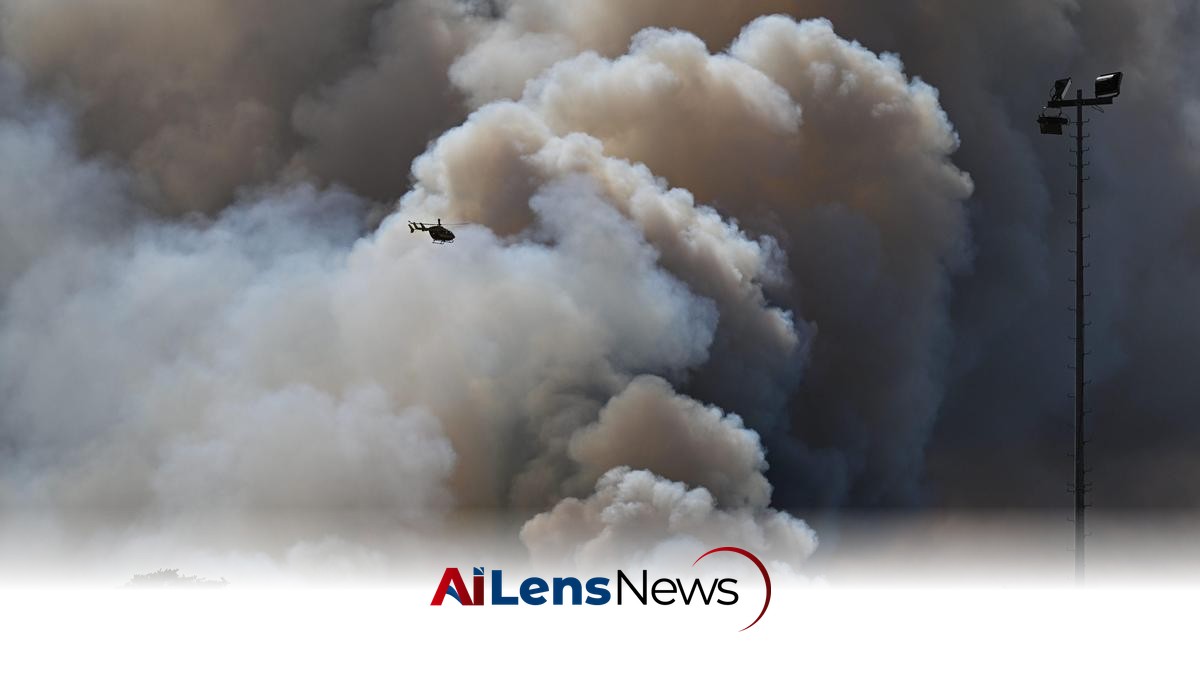


Firefighters are battling a significant wildfire in Fontainebleau, with two arrests made amid a record wildfire year in France.
New Delhi, India Jul 14, 2026 ALN: Firefighters battled through the night to tackle a blaze that tore through a historic forest near Paris on Tuesday, July 14, 2026. At least two people have been arrested on suspicion of having started the fire near one of France’s best-known royal palaces. The Fontainebleau Forest, a UNESCO Heritage site, is not only a vital ecological area but also a significant cultural landmark, making the threat of fire particularly alarming for both environmentalists and historians.
“It is not under control,” Interior Minister Laurent Nunez stated late on Monday, July 13, 2026, adding that the main blaze in Fontainebleau and another one nearby that started on the same day had scorched 1,300 hectares (3,212 acres). The rapid spread of the fire has raised concerns about the potential loss of biodiversity in the forest, which is home to numerous species of flora and fauna, some of which are endemic to the region.
Mr. Nunez noted that the fire was just a few kilometers away from the Palace of Fontainebleau, which explained the deployment of considerable resources, including water-carrying planes and helicopters. The Palace itself, a former residence of French monarchs and a symbol of royal history, is at risk not only from the fire but also from the smoke and ash that could damage its structure and artworks. The historical significance of the palace adds urgency to firefighting efforts and highlights the intersection of environmental disasters with cultural heritage preservation.
For the first time, Canadair aircraft skimmed the River Seine on Monday to fill their tanks, attempting to contain a blaze that turned the sky black. The use of Canadair aircraft, which are specialized firefighting planes, underscores the severity of the situation. These planes are designed to scoop water from large bodies of water and drop it directly onto the fire, providing a critical resource in combating large wildfires. The deployment of such aircraft also reflects the increasing reliance on aerial firefighting techniques in response to the growing frequency and intensity of wildfires in recent years.
Located just 70 km (40 miles) from Paris, the fire forced the closure of the A6 highway linking the capital with Lyon and the south. This disruption has significant implications for transportation and commerce, as the A6 is a major route for both personal and commercial travel. Smaller fires in the area also disrupted high-speed train services, further complicating travel plans for thousands of commuters and tourists. The economic impact of such disruptions can be substantial, affecting local businesses and the broader economy, especially during the peak tourist season.
As many as 900 people were evacuated from their homes due to the fire's proximity. Evacuations are a critical safety measure in fire situations, but they also pose logistical challenges for local authorities. Shelters must be established, and resources must be allocated to support displaced individuals. The emotional toll on families forced to leave their homes cannot be understated, as many may face uncertainty about the safety of their property and the potential for loss.
Mr. Nunez emphasized that the Fontainebleau blaze is contributing to what is likely to be a historic year for fires in France, with 32,000 hectares burned already this year, surpassing the total for 2025. “We’ll probably have a record year,” he remarked. “We expected this with this major drought.” The correlation between drought conditions and wildfire incidents is well-documented, as dry vegetation serves as fuel for fires. This year’s drought has been particularly severe, exacerbated by higher-than-average temperatures and prolonged periods without rain, which have created ideal conditions for wildfires to ignite and spread.
Europe is currently enduring its third heatwave of the summer, with tinder-dry vegetation and high temperatures fueling blazes from the Iberian Peninsula to France. The heatwaves have not only increased the risk of wildfires but have also posed health risks to populations across the continent. Vulnerable groups, such as the elderly and those with pre-existing health conditions, are particularly at risk during extreme heat events. The strain on healthcare systems during these periods can be significant, leading to increased hospitalizations and mortality rates.
Many scientists argue that climate change is making wildfires more frequent and difficult to combat. The warming climate leads to longer dry seasons, more intense heatwaves, and changes in precipitation patterns, all of which contribute to an increased risk of wildfires. The implications of climate change extend beyond immediate fire threats; they also encompass long-term ecological impacts, including changes in habitat, loss of biodiversity, and altered water cycles. As such, addressing climate change is increasingly seen as a critical component of wildfire prevention and management strategies.
Mr. Nunez reported that 59 people have been arrested across France on suspicion of starting fires, with around half being adults and half minors, including some repeat offenders. This statistic highlights a troubling trend of arson in wildfire incidents, which can complicate firefighting efforts and divert resources away from natural causes of fires. The motivations behind such acts can vary, ranging from vandalism to attempts at creating spectacle, but the consequences are invariably devastating for communities and ecosystems alike.
The ongoing situation in Fontainebleau Forest serves as a stark reminder of the vulnerabilities faced by both natural and human systems in the face of climate change and environmental degradation. As wildfires continue to pose a growing threat, there is an urgent need for comprehensive strategies that address the root causes of these disasters, including better land management practices, increased investment in firefighting resources, and more robust community education programs aimed at preventing arson and promoting fire safety. The interplay between human activity and environmental health underscores the importance of fostering a sustainable relationship with nature, one that prioritizes conservation and resilience in the face of an uncertain future.
To learn more about the latest developments in Regions & Countries, stay updated with our exclusive reports and analyses on AiLensNews.

