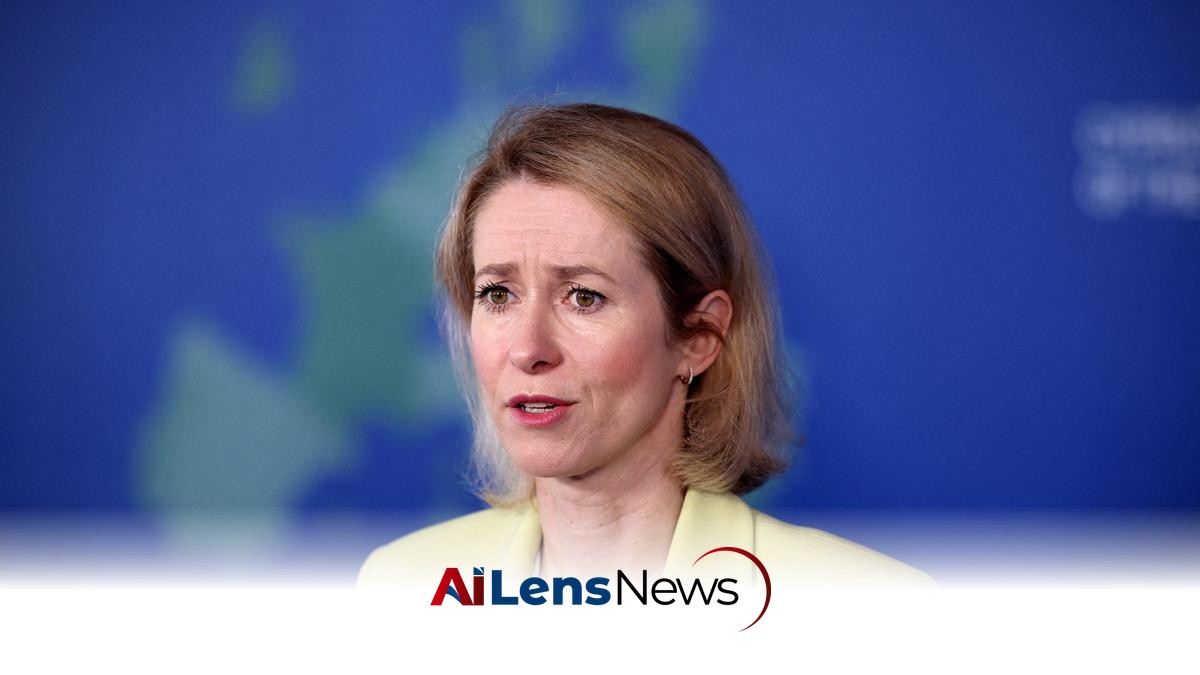


EU foreign policy chief Kaja Kallas reveals that discussions on the 21st sanctions package against Russia are still ongoing, with hopes for 250 new listings.
New Delhi, India Jul 13, 2026 ALN: The ongoing conflict in Ukraine, which began in 2014 with Russia's annexation of Crimea, has led to a series of sanctions imposed by the European Union (EU) against Russia. These measures have aimed to pressure the Russian government to cease its aggressive actions and to support Ukraine's sovereignty and territorial integrity. The sanctions have included asset freezes, travel bans, and restrictions on trade and investment, particularly in key sectors such as energy, finance, and defense.
The backdrop to these sanctions is a complex geopolitical landscape marked by historical tensions between Russia and the West. The annexation of Crimea was a pivotal moment that not only escalated the conflict in Ukraine but also reignited fears of Russian expansionism in Eastern Europe. The EU, along with the United States and other allies, responded with sanctions designed to isolate Russia economically and politically. These measures have evolved over the years, reflecting the changing dynamics of the conflict and the need for a unified response from the international community.
As the geopolitical landscape continues to evolve, the EU's foreign policy chief, Kaja Kallas, has been at the forefront of discussions regarding the effectiveness and future of these sanctions. During a recent statement, Kallas highlighted the EU's ongoing efforts to impose a broad 21st package of sanctions against Russia. Despite the challenges in reaching a consensus among member states, Kallas expressed optimism about the potential addition of 250 individuals and entities to the sanctions list, which would mark the largest single expansion of the sanctions regime to date.
The proposed sanctions package is not merely a reaction to Russia's actions but also a reflection of the EU's commitment to a unified foreign policy stance. Kallas's remarks come ahead of a crucial meeting of EU Foreign Affairs Ministers in Brussels, where discussions are expected to focus on the specifics of the sanctions and the broader implications for EU-Russia relations. This meeting is particularly significant as it represents a moment of reckoning for the EU, which must balance its collective security interests with the economic realities faced by its member states.
One of the key points of contention among EU member states has been the proposed maritime services ban, which aims to restrict Russian access to maritime services essential for its shipping and trade operations. This ban could have far-reaching implications, considering that maritime trade is vital for Russia's economy. Additionally, there are ongoing discussions about tightening restrictions on Russian liquefied natural gas (LNG). These measures are particularly significant given the EU's reliance on Russian energy supplies, which have been a contentious issue in the context of the ongoing conflict. The EU has been working to diversify its energy sources, but many member states remain vulnerable to fluctuations in energy supply and price, complicating the decision-making process regarding sanctions.
Lithuanian Foreign Minister Kestutis Budrys voiced concerns regarding the balance between economic interests and security interests. His statement underscores a critical debate within the EU: how to effectively respond to Russian aggression while managing the economic impacts of sanctions on EU member states. The reliance on Russian energy has made some countries hesitant to impose stricter sanctions, fearing negative repercussions for their own economies. This dilemma illustrates the broader challenge facing the EU as it seeks to present a united front against external threats while accommodating the diverse economic landscapes and political priorities of its member states.
The EU's approach to sanctions has evolved over time, with previous packages focusing on specific sectors and individuals associated with the Kremlin. However, the proposed 21st package signifies a potential shift towards a more comprehensive strategy that targets a wider range of entities involved in supporting Russia's military and economic activities. This could include not only government officials but also business leaders and organizations that have played a role in perpetuating the conflict. By broadening the scope of sanctions, the EU aims to increase the pressure on Russia to comply with international norms and respect the sovereignty of its neighbors.
Moreover, the implications of these sanctions extend beyond the immediate economic impacts. They also serve as a signal to the international community about the EU's stance on Russia's actions and its commitment to upholding international law and human rights. The effectiveness of sanctions as a tool of foreign policy has been widely debated, with some arguing that they have limited impact on changing state behavior, while others contend that they are necessary to demonstrate solidarity with affected nations. This ongoing discourse highlights the complexities of international relations, where economic measures are often intertwined with diplomatic strategies.
As discussions continue within the EU, the outcome of the meeting on July 13, 2026, will be crucial in determining the future trajectory of EU-Russia relations. A successful agreement on the sanctions package could reinforce the EU's position as a key player in international diplomacy, particularly in relation to Eastern Europe and security issues. Conversely, failure to reach consensus may weaken the EU's credibility and embolden Russia to continue its aggressive actions. The stakes are high, as the EU's response will not only impact its relationship with Russia but also influence its standing on the global stage.
In conclusion, the EU's ongoing discussions about sanctions against Russia highlight the complex interplay between security, economic interests, and foreign policy. As Kaja Kallas and other EU leaders navigate these challenges, the decisions made in the coming weeks will have lasting implications for the EU's role on the global stage and its ability to respond effectively to threats to international peace and stability. The evolving nature of the conflict in Ukraine, coupled with the broader geopolitical tensions, underscores the importance of a coordinated and strategic approach to foreign policy in addressing the challenges posed by state aggression in the 21st century.
To learn more about the latest developments in Diplomacy & Treaties, stay updated with our exclusive reports and analyses on AiLensNews.

