

Hungary's main state TV and radio stations have suspended broadcasts to reform media independence, marking a significant shift from Viktor Orbán's control.
New Delhi, India Jul 8, 2026 ALN: Hungary's main public television channel has halted broadcasts, while a state-run radio station has been suspended altogether, in a bid to make its media "independent and trustworthy".
The country's former prime minister, Viktor Orbán, who was ousted in April after 16 years in power, had tightly controlled state media. This control was part of a broader strategy that allowed Orbán and his Fidesz party to maintain a significant influence over the narrative within Hungary, shaping public opinion through state-run media channels. Orbán's government faced criticism from various quarters for undermining democratic institutions, and the media landscape was often described as a tool for propaganda rather than a platform for diverse viewpoints.
Reforms to media were a key campaign promise of Hungary's new Prime Minister Péter Magyar, who described the announcement as "the end of propaganda broadcasts". Magyar's administration has signaled a clear intention to dismantle the media structures established under Orbán, which many viewed as a means of consolidating power rather than serving the public interest. This shift reflects a broader desire among some segments of the Hungarian population for a more democratic and pluralistic media environment.
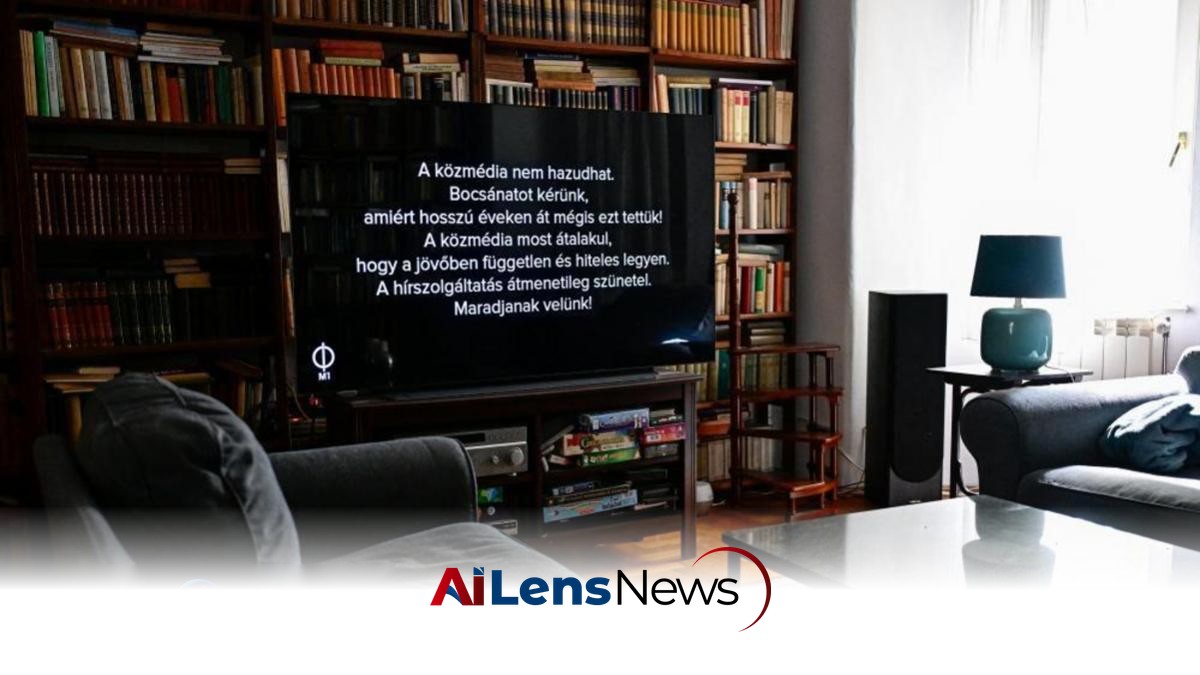
Both TV channel M1 and Kossuth radio station temporarily halted transmission on Tuesday afternoon, with the former displaying a message that read: "Public media should not lie. We are sorry for doing it for so long". The message, which was shown in white writing on a black screen, continued: "Public media now will be reformed so it will be independent and trustworthy. Our programme is currently suspended. Stay tuned!" This statement marks a significant departure from the previous rhetoric that dominated state media under Orbán, where dissenting voices were often marginalized or silenced.
Kossuth's frequencies were instead broadcasting classical music station Bartok Radio, according to AFP agency. This choice of programming may reflect an attempt to provide an alternative form of content while the reforms are underway, highlighting a cultural dimension to the media transition. As Hungary's main public radio station, Kossuth usually focuses on current affairs, sports, and culture, and its suspension signifies a noteworthy shift in how public discourse is conducted in the country.
Websites for both M1 and Kossuth were also down on Tuesday afternoon, AFP added. This technical disruption further emphasizes the extent of the changes being implemented, as the government seeks to overhaul the digital presence of these institutions. A statement from MTVA, which runs M1, said the channel would temporarily restart in a new format without programmes, with bulletins gradually introduced alongside a new editorial team. This restructuring is indicative of a broader strategy to ensure that new leadership can steer the media in a direction that aligns with the government's vision of independence and trustworthiness.
Following the announcement, Magyar described it as a "historic day" which "marks the end of propaganda broadcasts on public media platforms". His declaration underscores the significance of this moment in Hungary's political landscape, suggesting that the new administration is committed to reversing the trends of the past decade and a half. "They lied at night, they lied during the day, they lied on every wavelength. That is now over," he added, framing the reforms as a necessary corrective to the previous regime's practices.
In contrast, Orbán characterized the move as "another example of Tisza [Hungary's ruling party] tyranny", in a Facebook post on Tuesday. His reaction illustrates the contentious political atmosphere that continues to shape Hungary's governance, as the former prime minister seeks to rally his supporters against what he perceives as an encroachment on free speech and expression. He encouraged his followers to instead watch the Hir TV channel, which is affiliated with his political party Fidesz, indicating that Orbán remains committed to maintaining a media presence that reflects his party's interests.
Magyar promised Hungarians "regime change" when he swept to power in a landslide victory earlier this year, having broken away from Orbán's party in March 2024. This political realignment is significant in Hungary's history, as it reflects a growing desire among voters for alternatives to the established political order. Magyar's administration represents a coalition that is keen on re-establishing democratic norms and addressing the grievances related to media bias and manipulation that characterized the Orbán years.
He previously stated that a majority of Hungarian media had been requisitioned by Orbán allies, insulting him and his party with lies and not allowing him an appearance on state TV since September 2024. This lack of access to state media has been a point of contention for Magyar, who has argued that a free press is essential for a functioning democracy. The reforms he is implementing aim to rectify this imbalance and create a media landscape that is more representative of diverse viewpoints.
But days after winning the election, Magyar appeared on both Kossuth radio and M1, confirming his aim to suspend their coverage and form a new broadcast authority to ensure press freedom. This decision highlights the complexities of transitioning from a controlled media environment to one that prioritizes independence and accountability. It also raises questions about how the new government will navigate the challenges of fostering a media landscape that can effectively serve the public interest while avoiding the pitfalls of the past.
TV2, a commercial broadcaster aligned with Fidesz, has also seen its main anchors and its director exit since Magyar came to power. This turnover in personnel suggests that the changes in Hungary's media landscape are not limited to public broadcasters but extend to private media outlets as well. The exodus of key figures from TV2 may indicate a broader shift in media ownership and control, as new leadership seeks to redefine the narrative and direction of these channels in alignment with the new government's objectives.
As Hungary embarks on this new chapter in its media history, the implications of these changes will likely resonate beyond the borders of the country. The reforms could serve as a model for other nations grappling with similar issues of media freedom and government control. However, the success of these initiatives will depend on the new government's ability to maintain its commitment to transparency and accountability while fostering a media environment that can thrive independently.
In conclusion, the halting of broadcasts by Hungary's main public television channel and state-run radio station marks a pivotal moment in the country's media landscape. With the intention of establishing a more independent and trustworthy media environment, the new government under Péter Magyar is taking significant steps to dismantle the legacy of Viktor Orbán's control over state media. As these reforms unfold, the eyes of both domestic and international observers will be closely watching to see how Hungary navigates this transition and what it means for the future of press freedom in the country.
To learn more about the latest developments in International Politics, stay updated with our exclusive reports and analyses on AiLensNews.

