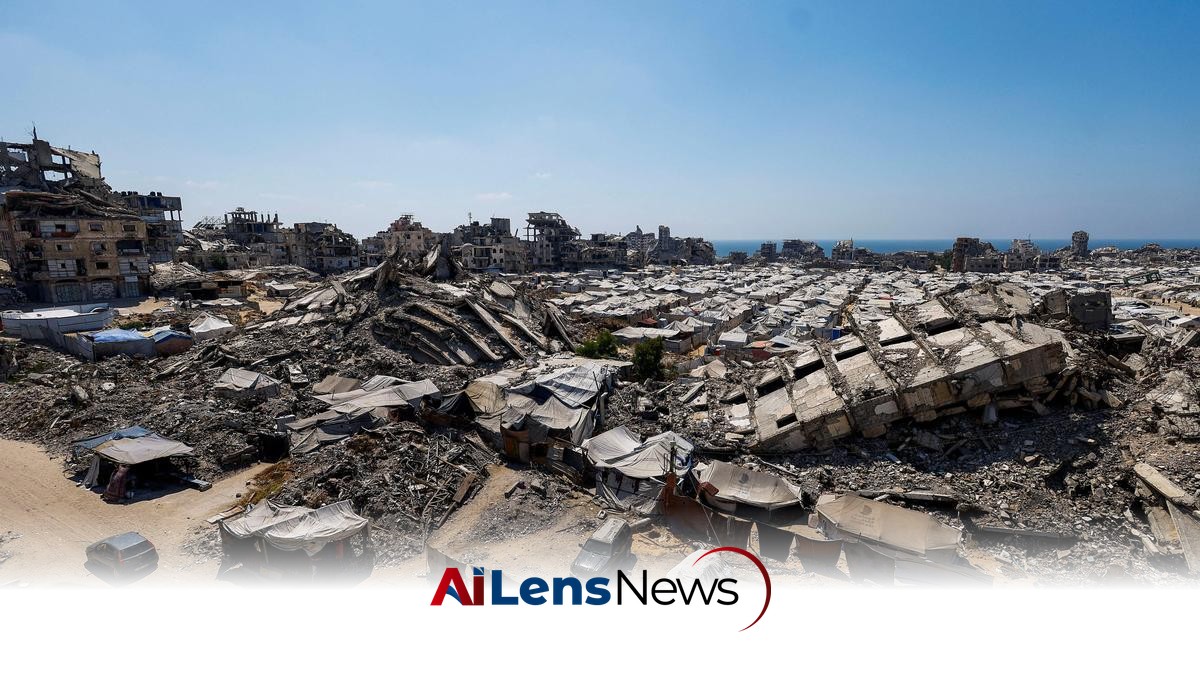


Hamas has dissolved its government in Gaza, transferring authority to a UN-backed committee amid ongoing tensions and a ceasefire agreement.
Doha, Qatar Jul 7, 2026 ALN: The recent announcement by Hamas, made on July 6, 2026, regarding the dissolution of its government in Gaza and the transfer of power to a UN-backed technical committee, marks a significant moment in the ongoing conflict between Israel and Hamas. This decision comes in the context of a US-brokered ceasefire deal aimed at stabilizing the region and facilitating the reconstruction of Gaza, which has been devastated by years of conflict.
The dissolution of the Hamas government, which has ruled Gaza since 2007, raises important questions about the future governance of the territory. While Hamas has indicated that this move is part of a broader commitment to reconstruction, it has not provided clarity on whether it will disarm or transfer security responsibilities to an international force. This ambiguity leaves room for speculation about the potential implications for both internal governance and external relations.
The announcement was made by a lower-level Hamas official, raising concerns about its potential impact on the ground. Given the historical context of Hamas's governance and its militant activities, analysts are cautious about interpreting this move as a genuine shift in power dynamics. The Board of Peace, a new governing body led by President Donald Trump, has acknowledged the announcement but emphasized the need to evaluate actions rather than words. This sentiment underscores the skepticism surrounding Hamas's commitment to the ceasefire agreement and the broader peace process.
Ismail al-Thawabta, the general director of the Hamas-run Government Media Office, clarified during a press conference that only technical and professional staff would remain in their roles to manage day-to-day operations in Gaza. This statement suggests an intention to maintain some level of administrative continuity during the transition to the technocratic committee. Al-Thawabta's remarks reflect an effort to reassure the public and international observers that essential services will continue to function despite the political changes.
Hazem Qassem, a spokesperson for Hamas, described the dissolution of the government as a “positive step forward” in implementing the ceasefire deal. This characterization indicates Hamas's desire to project a willingness to cooperate with international efforts aimed at stabilizing the region. However, the Israeli response to the announcement has been dismissive, with an official labeling it as insignificant. This skepticism highlights the deep-seated mistrust that exists between the parties involved and raises questions about the feasibility of achieving lasting peace.
The technocratic committee, which is based in Cairo and chaired by Ali Shaath, a Gaza-born engineer and former Palestinian Authority official, has been tasked with restoring essential services and overseeing civilian affairs. This committee's mandate is significant, as it represents an attempt to bring international oversight into the governance of Gaza. The involvement of the UN and the Board of Peace suggests a shift towards a more collaborative approach to managing the aftermath of the conflict, but its effectiveness will largely depend on the cooperation of Hamas and other local actors.
Despite the ceasefire agreement that was signed nearly nine months ago, negotiations between Israel and Hamas remain largely stalled. The second phase of the ceasefire, which includes discussions about Hamas's disarmament and the reconstruction of Gaza, has not progressed as anticipated. Hamas has consistently maintained that it will not engage in discussions about its weapons until the first phase of the ceasefire is fully realized. This position complicates the peace process and reflects the ongoing tensions between the parties.
The backdrop to these developments is the escalation of violence that began with the October 7, 2023, attack by Hamas militants, which resulted in the deaths of approximately 1,200 individuals in Israel and the abduction of 251 others. This attack marked a significant escalation in hostilities, prompting Israel's retaliatory offensive in Gaza. According to the Gaza Health Ministry, the Israeli military operations have resulted in the deaths of 73,098 Palestinians, a figure that underscores the devastating impact of the conflict on the civilian population. The ministry's records, which are generally considered reliable by UN agencies and independent experts, indicate that women and children constitute around half of all fatalities, highlighting the humanitarian crisis that has emerged from the ongoing violence.
Since the ceasefire took effect on October 10, Israeli strikes have decreased significantly, yet they continue almost daily. The Israeli military claims to target Hamas and other militant groups, often stating that these groups are planning attacks. This ongoing violence underscores the fragility of the ceasefire and the challenges that lie ahead in achieving a durable peace agreement.
On the day of Hamas's announcement, Israeli strikes resulted in the deaths of at least five individuals in Gaza, including three in Khan Younis and two in an apartment in Gaza City. The Israeli military stated that the strikes targeted a Hamas operative and a militant from the Palestinian Islamic Jihad, further illustrating the complex and often violent dynamics that characterize the region. Additionally, reports of shooting attacks against Israeli troops in Gaza indicate that tensions remain high, with five Israeli soldiers reportedly killed since the ceasefire began.
The implications of Hamas's decision to dissolve its government and transfer power to a UN-backed committee are profound. While it may signal a willingness to engage in the reconstruction of Gaza, the lack of clarity regarding disarmament and security remains a significant barrier to achieving lasting peace. The skepticism expressed by Israeli officials and the ongoing violence highlight the challenges that both sides face in navigating this complex political landscape. As the situation continues to evolve, the international community will be closely monitoring developments in Gaza, seeking to support efforts aimed at stabilizing the region and addressing the humanitarian needs of its population.
To learn more about the latest developments in Wars & Conflicts, stay updated with our exclusive reports and analyses on AiLensNews.

