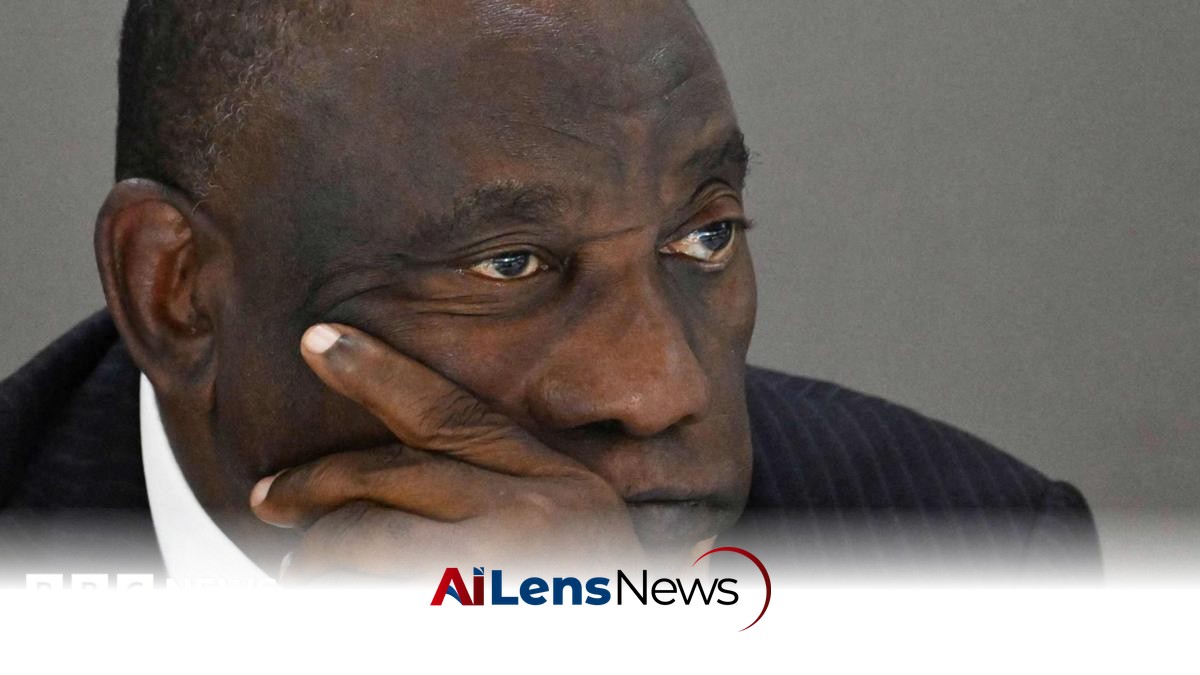


Ghana has postponed President Cyril Ramaphosa's visit due to fears of protests linked to xenophobic tensions following recent anti-migrant rallies in South Africa.
New Delhi, India Jul 7, 2026 ALN: Ghana has postponed a visit by South Africa's President Cyril Ramaphosa following xenophobic rallies that resulted in hundreds of Ghanaians being repatriated from his country.
President Ramaphosa's visit to Ghana was initially planned for the first week of August, and it was anticipated that this meeting would help alleviate the escalating tensions between the two nations. Both countries share a long history of diplomatic relations, with South Africa being a significant player in continental politics and Ghana regarded as a beacon of stability in West Africa.
The postponement of the visit comes in the wake of heightened concerns over xenophobia in South Africa, particularly against African migrants. Many in Ghana feared that Ramaphosa's presence could incite mass protests similar to those witnessed in South Africa, where anti-immigrant sentiment has been on the rise. On Tuesday, government spokesman Felix Kwakye Ofosu confirmed to the BBC that the decision to defer the visit was made in light of the current climate surrounding xenophobia.
"We sent them a communication indicating that it would be best to defer the visit in view of the present climate around xenophobia," he explained, indicating the seriousness of the situation and the sensitivity of diplomatic relations at this time.
South African officials have attempted to downplay the situation, with presidential spokesman Vincent Magwenya stating that the country remains committed to "deepening cooperation" between the "two sister nations" and emphasized their ongoing commitment to "advancing the African Agenda." He also clarified that the planned visit was not a state visit, as Ghanaian officials had described it, but rather the third in a series of bilateral meetings aimed at fostering dialogue.
The diplomatic tensions between Ghana and South Africa have been exacerbated by a viral video featuring Emmanuel Asamoah, a young Ghanaian living in South Africa, being confronted and told to "go fix his country." This incident has resonated deeply within Ghana, leading to a surge of nationalistic sentiment and calls for the government to take action regarding the treatment of Ghanaians abroad.
In response to the xenophobic climate, Ghana has repatriated over 900 of its citizens from South Africa, with plans to bring home an additional 900 in the coming weeks. This mass repatriation reflects not only the immediate safety concerns for Ghanaians in South Africa but also a broader apprehension regarding the treatment of African migrants in the country. Other African nations, including Nigeria, Malawi, and Kenya, have also taken similar actions, repatriating their nationals due to ongoing protests against foreigners. Reports indicate that about 25,000 individuals have been repatriated from South Africa as various groups have issued ultimatums for undocumented migrants to leave the country.
President Ramaphosa has defended the right to protest, provided that such demonstrations are peaceful. He has also stated his commitment to addressing issues related to irregular migration, which has been a contentious topic in South Africa. The government faces mounting pressure to manage the perceptions of foreigners within its borders, particularly as economic challenges and high unemployment rates have fueled resentment among some South Africans.
The situation escalated last week when Ghana condemned the alleged killing of Bahiru Isak, a 40-year-old Ghanaian national living in the Khayelitsha suburb of Cape Town. Ghanaian officials have claimed that Isak was killed during anti-immigration protests on June 30, further straining diplomatic relations. However, South African authorities have denied these claims, asserting that no such killing occurred and that the only Ghanaian victim was 35-year-old Kwabena Boagen, whose death they claim was unrelated to the protests.
South Africa's justice minister has accused Ghana of disseminating "false information" regarding developments on irregular migration, highlighting the contentious nature of the current diplomatic dialogue. This legal dispute is compounded by conflicting claims regarding the residency status of Ghanaians in South Africa. Accra asserts that most of its nationals residing in South Africa possess the necessary residency papers, while Pretoria disputes this assertion. Neither country has provided evidence to substantiate their claims, leaving the situation murky and fraught with tension.
In May, Ghana took the step of petitioning the African Union regarding the recurring xenophobic incidents in South Africa, urging for action and a fact-finding mission to address the violence against foreigners. This move reflects Ghana's proactive approach to safeguarding its citizens abroad and addressing broader issues of xenophobia that contravene agreements such as the African Continental Free Trade Area.
Analysts warn that South Africa risks political isolation on the continent if it fails to take urgent measures to address the ongoing anti-immigration protests and the resulting diplomatic tensions with other African nations. The perception of South Africa as a leader on the continent is at stake, and the government must navigate these challenges carefully to maintain its standing.
Xenophobia is not a new phenomenon in South Africa; it has historical roots tied to socio-economic issues, with foreigners often scapegoated for unemployment and crime. This narrative has been perpetuated by various socio-political factors, including high levels of inequality and a struggling economy. However, many citizens of other African nations urge South Africans to remember the solidarity and support they received during the anti-apartheid struggle, emphasizing the need for unity among African nations.
In light of these developments, the diplomatic relationship between Ghana and South Africa remains precarious. Both nations must engage in constructive dialogue to address the underlying issues contributing to xenophobia and to ensure the safety and well-being of their citizens. The postponement of President Ramaphosa's visit serves as a reminder of the delicate nature of international relations and the importance of addressing grievances to foster peace and cooperation on the continent.
Clarification - 7 July: An earlier version of this story stated that Cyril Ramaphosa had long planned a state visit to Ghana. While Ghanaian officials have described it as a state visit, South Africa disputes this characterization and has referred to the planned visit as a bilateral meeting.
To learn more about the latest developments in Migration & Refugees, stay updated with our exclusive reports and analyses on AiLensNews.

