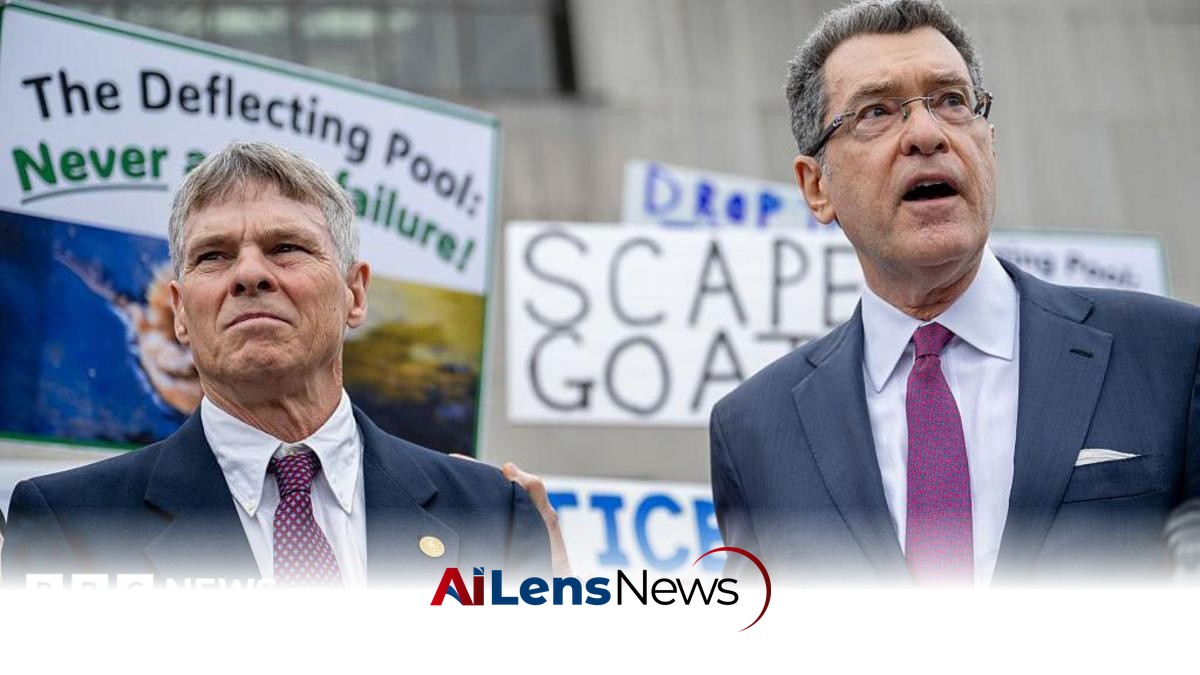


Former US Olympian David Hearn denies charges of vandalism at the Lincoln Memorial Reflecting Pool, claiming he did not cause the damage.
New Delhi, India Jul 9, 2026 ALN: Former US Olympian David 'Davey' Hearn has pleaded not guilty to vandalising the Lincoln Memorial Reflecting Pool at a court appearance in Washington DC.
Hearn is accused of causing $1,000 (£750) of damages to the pool. He faces a felony charge of destruction of property, a serious accusation that could carry significant legal repercussions if he is found guilty. The charge reflects the ongoing tensions surrounding public property and the responsibilities of individuals when interacting with national monuments.
The Reflecting Pool, located between the Lincoln Memorial and the Washington Monument, has long been a symbol of American democracy and a site for reflection and remembrance. It is often visited by tourists and locals alike, serving as a backdrop for various events and gatherings. The pool has undergone numerous renovations over the years, with the most recent project costing an estimated $13 million (£9.8 million). This project aimed to address long-standing issues such as structural failures, leaks, and the growth of algae, which have plagued the site for years.
President Donald Trump has publicly blamed vandals for damage to the newly applied coating on the bottom of the pool, indicating a political dimension to the incident. Hearn was detained last month after allegedly touching some of the material. He told the BBC at the time that the coating had already "delaminated," suggesting that the damage may not have been solely due to his actions. This claim raises questions about the quality of the renovation work and the conditions under which the coating was applied, as well as the accountability of contractors involved in the project.
"If Mr. Hearn can be charged with a felony for touching the Reflecting Pool, every American is at risk," said Norm Eisen, one of Hearn's attorneys, speaking outside the courthouse on Thursday. Eisen's statement underscores concerns about the implications of the charges against Hearn. The notion that a simple act of touching water could lead to felony charges raises broader questions about how public spaces are maintained and the expectations placed upon individuals interacting with these sites.
Hearn, 67, a three-time Olympic canoeist, is next due in court on 5 August. His background as an athlete adds a layer of complexity to the case, as public figures often attract more scrutiny and media attention than ordinary citizens. This dynamic can influence public perception and the legal process, as seen in many high-profile cases involving athletes and celebrities.
Authorities say Hearn was seen reaching into the water last month after renovations to the pool. The US Attorney for the District of Columbia, Jeanine Pirro, alleged last week as she announced the charge against Hearn that he "ripped" a piece of the recently installed sealant in a "deliberate act" to cause damage on 19 June. This assertion of intent is critical to the case, as proving that Hearn acted with malice or disregard for the property could elevate the severity of the charges against him.
Hearn previously told the BBC that he "didn't destroy, rip, tear, peel, or remove any part" of the paint, which contradicts the allegations made by authorities. His defense hinges on the argument that his actions were not malicious and that the damage was pre-existing, which could potentially mitigate the charges against him.
In a broader context, five people have been arrested for vandalism in connection with the Reflecting Pool, according to US Park Police, and five others have been issued federal citations. This indicates that the issue of vandalism at the site is not isolated to Hearn alone, suggesting a pattern of behavior that authorities are keen to address. The involvement of multiple individuals raises questions about the motivations behind such actions and the community's relationship with this national landmark.
Hearn's attorneys have accused the Trump administration of charging their client in an effort to shift blame for the site's problem-plagued makeover. This allegation highlights the potential for political motivations behind legal actions, particularly in a highly charged political environment. The administration's focus on beautifying the capital city can be seen as part of a broader narrative aimed at showcasing progress and success, which may lead to scapegoating when issues arise.
The Reflecting Pool underwent a multi-million dollar resealing and painting project this spring, and while the renovations were intended to restore the site's former glory, they have been met with ongoing challenges. Despite the costly makeover, the pool has continued to be plagued by algae, and pieces of the blue sealant peeled off within days of its application. This raises concerns about the effectiveness of the renovation efforts and the quality of materials used, prompting calls for greater oversight in future projects.
Frank Lands, an official at the National Park Service, stated in a court filing last month that the liner along the bottom of the Reflecting Pool was cut with a sharp knife or razor sometime around 9 June. This detail suggests that the damage was premeditated, leading to increased scrutiny of the circumstances surrounding the incident. The identification of the method of damage could also impact the legal proceedings, as it may point to a more serious intent behind the actions taken at the pool.
In response to the ongoing issues, crews began draining the Reflecting Pool for the second time in three months on Sunday, according to Interior Secretary Doug Burgum. This repeated need for drainage indicates significant maintenance challenges and raises questions about the long-term sustainability of the renovations. Officials had positioned fireworks around the Reflecting Pool for 4 July celebrations, which scattered debris into the water, further complicating the situation. The use of fireworks in close proximity to the pool raises concerns about the potential for damage during public events, highlighting the need for careful planning and management of public spaces.
Burgum stated on a podcast that they would also repair damage to the pool lining as part of the clean-up. "Drain the water. Clean up the fireworks stuff. Repair the vandalism that was done. Fill it back up again," Burgum said. His comments reflect the ongoing efforts to maintain the Reflecting Pool as a vital part of the national landscape, but they also underscore the challenges faced by authorities in managing and preserving such iconic sites. The situation serves as a reminder of the delicate balance between public access, preservation, and the responsibilities of both authorities and individuals in safeguarding national treasures.
To learn more about the latest developments in Culture & Society, stay updated with our exclusive reports and analyses on AiLensNews.

