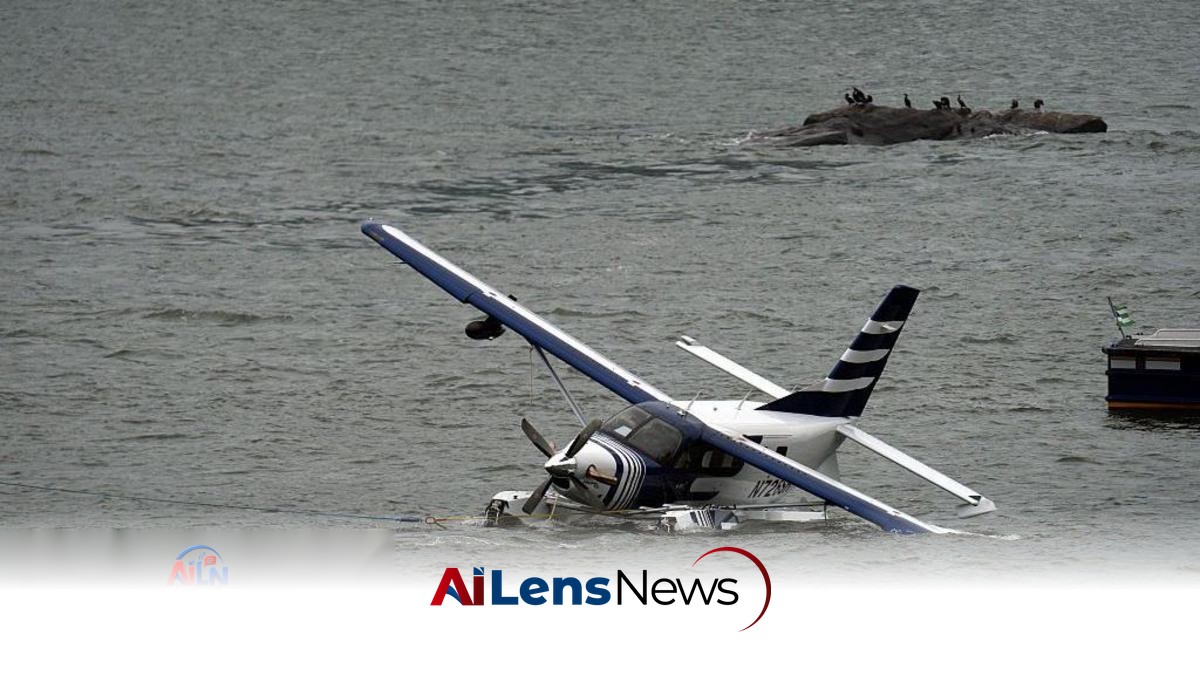


Eight individuals were rescued from a seaplane that made a hard landing in New York City's East River, with two sustaining minor injuries.
New Delhi, India Jul 6, 2026 ALN: At least eight people have been rescued from a seaplane that landed in New York City's East River, authorities say.
New York fire officials responded to reports of an aircraft down at around midday local time (16:00 GMT) off the marina at East 23rd Street and FDR Drive in Manhattan. The seaplane was upright and towed back to the dock, fire officials say.
Eight people were removed from the Kodiak 100 seaplane by fire department units, and two had minor injuries and refused medical attention.
The Federal Aviation Administration (FAA), which will investigate the incident, stated that the pilot "made a hard landing," causing a wing strut to snap.
In aviation terminology, a hard landing occurs when an aircraft touches down with excessive vertical speed or force, exceeding the manufacturer's limit. This can lead to structural damage to the aircraft and poses serious risks to the safety of passengers and crew. Such landings can be particularly concerning for seaplanes, which often operate in environments where water conditions can vary dramatically.
The FAA indicated that air traffic control "was not providing services to the aircraft" at the time of the incident. This raises questions about the circumstances surrounding the flight and the procedures followed by the pilot during the landing phase. It is not uncommon for seaplanes to operate in less regulated environments compared to larger commercial aircraft, which are typically under constant supervision by air traffic control. This lack of oversight can contribute to the risks associated with seaplane operations, especially in urban settings like New York City.
The New York Times reported that the plane was coming from the Hamptons—a seaside retreat for affluent New Yorkers—and was heading to a seaplane base when it struck a wave while landing, leading to it partially capsizing. The Hamptons is a popular destination known for its beaches, upscale homes, and vibrant social scene, making it a frequent departure point for seaplane flights heading to New York City. The allure of a quick trip from the Hamptons to Manhattan often attracts those looking to avoid the long drive or train ride, but it also increases the volume of seaplane traffic in the area.
Seaplane flights have become an increasingly popular mode of transportation for those looking to bypass the heavy traffic that often plagues the region, especially during peak travel seasons. However, the use of seaplanes in urban environments like New York City comes with its own set of challenges, including navigating busy waterways and unpredictable weather conditions. Pilots must possess a high level of skill and knowledge to safely operate in these complex environments, where factors such as wind, waves, and other watercraft can significantly impact landing and takeoff procedures.
Another seaplane was damaged in the East River three weeks ago. That aircraft, a small two-seater, was struck by a large wave as it tried to take off from the river on June 13. During that earlier incident, the FDNY took a pilot and one passenger onto a boat after the plane went down near Queens, CBS reported. This recent spate of incidents raises concerns about the safety protocols in place for seaplane operations in New York City. Frequent incidents can lead to increased scrutiny from regulatory bodies and may prompt calls for stricter regulations governing seaplane operations.
The East River, while a picturesque setting for seaplane landings, can be notoriously challenging due to its currents and wave patterns, especially during adverse weather conditions. Pilots must be well-trained to handle these challenges, and incidents like these highlight the importance of rigorous training and adherence to safety standards. The FAA's investigation will likely delve into the training and qualifications of the pilot involved in this incident, as well as the operational protocols followed by the seaplane service.
In light of these recent events, the FAA's investigation will likely focus on the specific circumstances that led to the hard landing, including the pilot's experience, weather conditions at the time, and any mechanical issues that may have contributed to the incident. The results of this investigation could lead to recommendations for improved safety measures for seaplane operations, particularly in urban areas. Such recommendations may include enhanced training requirements for pilots, stricter maintenance protocols for aircraft, and more comprehensive pre-flight safety checks.
Furthermore, the implications of such incidents extend beyond immediate safety concerns. They can influence public perception of seaplane travel, which may affect the demand for such services. If safety issues are perceived to be prevalent, potential passengers may be deterred from choosing seaplanes as a viable transportation option. This could have significant economic implications for seaplane operators, many of whom rely on a steady stream of customers for their business viability.
As the investigation unfolds, it will be crucial for the FAA and other relevant authorities to communicate their findings transparently to the public. This transparency can help restore confidence in seaplane travel and ensure that necessary measures are implemented to prevent future incidents. Clear communication regarding safety improvements and regulatory changes can also reassure the flying public that their safety is a top priority.
In conclusion, while the quick response from emergency services ensured that all passengers were safely rescued, the incident serves as a stark reminder of the inherent risks involved in aviation, particularly in less regulated environments like seaplane operations. As the FAA conducts its investigation, the aviation community and the public will be watching closely to see what lessons can be learned and what changes may be necessary to enhance safety in this unique mode of transportation. The outcomes of this investigation may not only shape the future of seaplane operations in New York City but could also set precedents for seaplane regulations in other urban areas across the country.
To learn more about the latest developments in Regions & Countries, stay updated with our exclusive reports and analyses on AiLensNews.

