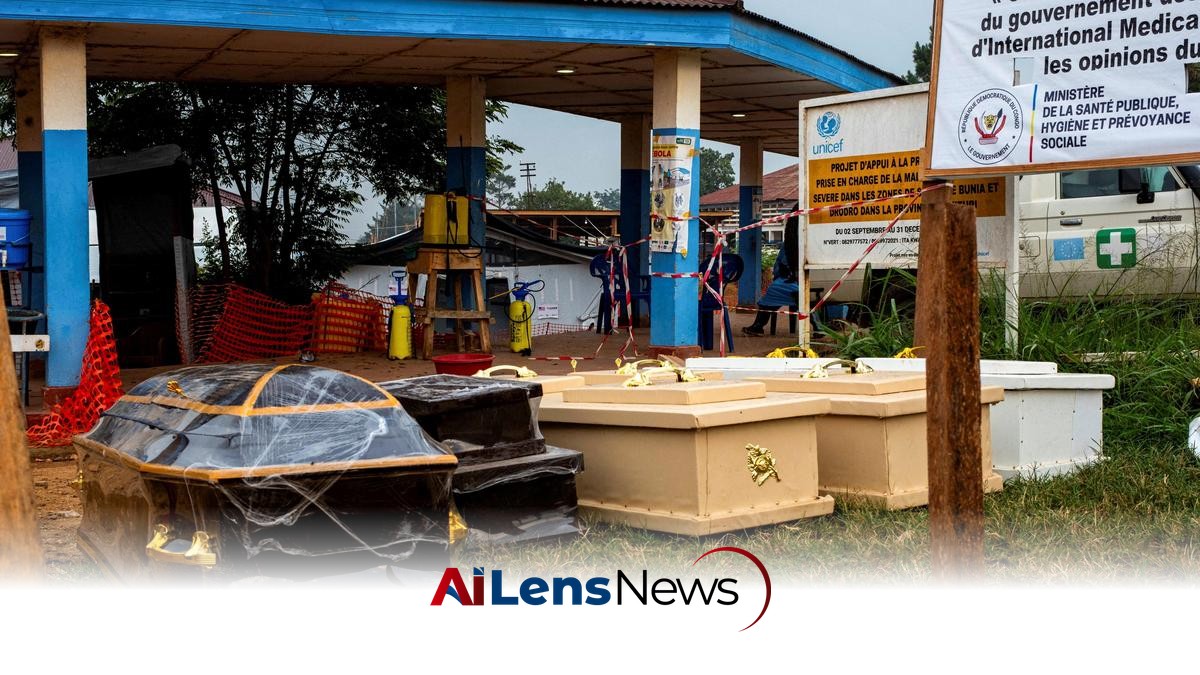


The Ebola death toll in Congo has hit 600, with new suspected cases emerging in previously unaffected provinces, raising concerns about the outbreak's containment.
New Delhi, India Jul 10, 2026 ALN: The ongoing Ebola outbreak in the Democratic Republic of the Congo (DRC) has reached a grim milestone, with the death toll now surpassing 600 as of July 9, 2026. This alarming development comes amid reports of new suspected cases emerging in provinces that were previously unaffected by the virus, raising concerns about the potential for further spread across the nation.
The DRC's Health Ministry has confirmed that suspected cases have been identified in Tshopo and Haut-Uele provinces, areas that had not previously reported infections during this outbreak. This marks a significant expansion of the epidemic, which has primarily centered around Ituri province, where the outbreak was first detected. According to a report from the Congolese government, two new suspected cases have emerged in Kisangani, the capital of Tshopo province. However, the Health Minister did not provide specific numbers for the suspected cases in Haut-Uele, leaving uncertainties about the extent of the outbreak's reach.
As the situation develops, the total number of confirmed Ebola cases across the DRC has now reached 1,759. The report on the suspected cases highlights that one of the individuals in Tshopo has a direct link to the Nia-Nia health zone in Ituri, which is the original epicenter of the outbreak. Conversely, the second case in Tshopo appears to have no known geographical connection to existing outbreaks, prompting health authorities to investigate the circumstances surrounding this case closely.
The Africa Centre for Disease Control has characterized this outbreak as the fastest-growing Ebola outbreak on the continent. This rapid escalation of cases is alarming, particularly given the historical context of Ebola outbreaks in the DRC. The country has faced multiple outbreaks of the virus since it was first identified in 1976, but the current situation presents unique challenges and complexities.
The latest outbreak was officially declared by Congolese authorities on May 15, 2026, after the virus had been circulating undetected for several weeks. This delay in detection underscores the challenges faced by health officials in monitoring and responding to outbreaks in a country with vast and often inaccessible regions. The strain responsible for this outbreak is the Bundibugyo virus, a rare variant of the Ebola virus that currently lacks an approved vaccine or specific treatment. This absence of effective medical interventions significantly complicates containment efforts.
In response to the outbreak, clinical trials for potential treatments have commenced, with researchers launching a highly anticipated study aimed at combating the Bundibugyo virus. These trials represent a beacon of hope in the fight against Ebola, but the timeline for developing and distributing effective treatments remains uncertain. Health experts emphasize the importance of rapid research and development to address the immediate needs of affected populations.
Efforts to contain the spread of Ebola in the DRC have been further complicated by a range of factors. A significant funding gap has hindered the ability of health authorities to implement comprehensive response strategies. Additionally, ongoing violence and instability in eastern Congo, where the outbreak has been most severe, have led to attacks on health centers and personnel. Such incidents not only threaten the safety of healthcare workers but also disrupt vital public health initiatives aimed at controlling the outbreak.
The implications of this outbreak extend beyond immediate health concerns. The DRC is already grappling with a range of socio-economic challenges, and an escalating Ebola crisis could exacerbate existing vulnerabilities. The health system, already strained by previous outbreaks and ongoing conflicts, faces increased pressure as resources are diverted to address the crisis. Furthermore, the fear and stigma associated with Ebola can lead to community resistance against health interventions, complicating efforts to manage the outbreak effectively.
Public health officials are urging communities to remain vigilant and to report any suspected cases of Ebola promptly. Education and awareness campaigns are crucial in combating misinformation and encouraging individuals to seek medical help if they exhibit symptoms consistent with the virus. Symptoms of Ebola typically include fever, severe headache, joint and muscle pain, weakness, diarrhea, vomiting, abdominal pain, and unexplained bleeding or bruising.
The international community is closely monitoring the situation in the DRC, with various organizations offering support and resources to assist in the response efforts. Collaborative efforts between the Congolese government, international health agencies, and local communities will be essential in mitigating the impact of this outbreak and preventing further transmission of the virus.
As the DRC navigates this challenging landscape, the importance of a coordinated and well-funded response cannot be overstated. The lessons learned from past outbreaks, including the need for timely detection, rapid response, and community engagement, must inform current strategies to combat this latest crisis. The stakes are high, and the health and safety of millions depend on the effectiveness of the response to this rapidly evolving situation.
Historically, the DRC has been at the epicenter of Ebola outbreaks, with numerous occurrences since the virus was first identified in the country. The DRC's health infrastructure has faced immense challenges, including limited access to healthcare services in rural areas, ongoing political instability, and a lack of resources. These factors have made it difficult to implement effective public health measures and respond swiftly to outbreaks.
The Bundibugyo strain of the Ebola virus, which is currently affecting the DRC, is one of several strains that have emerged since the discovery of the virus. This particular strain was first identified during an outbreak in the Bundibugyo district in 2007. It is known for its high fatality rate and has proven to be particularly challenging to control due to its rapid spread and the lack of an established vaccine or treatment protocol. The absence of a vaccine for this strain underscores the urgency of the current situation, as health authorities work to develop effective countermeasures.
In addition to the health implications, the Ebola outbreak poses significant economic risks for the DRC. The country is already facing economic hardships, and the outbreak could further hinder economic activities, particularly in affected regions. Trade disruptions, loss of agricultural productivity, and increased healthcare costs could exacerbate the economic challenges faced by communities already vulnerable due to poverty and conflict.
Furthermore, the psychological impact of the outbreak on affected communities cannot be overlooked. The fear associated with Ebola can lead to social stigma against survivors and those who have been in contact with infected individuals. This stigma can discourage people from seeking medical help, further complicating containment efforts. Community engagement and education are vital to overcoming these challenges, as they can help build trust between health authorities and local populations.
The response to the Ebola outbreak in the DRC will require a multifaceted approach, combining public health interventions, community engagement, and international support. Ensuring that healthcare workers are protected and supported is crucial, as they are on the front lines of the response. Additionally, addressing the social determinants of health, such as access to clean water, sanitation, and nutrition, will be essential in building resilience against future outbreaks.
In conclusion, the current Ebola outbreak in the DRC represents a significant public health crisis that demands immediate attention and action. With the death toll now exceeding 600 and new suspected cases emerging, the situation is rapidly evolving. A coordinated response that prioritizes community engagement, rapid detection, and effective treatment development will be critical in mitigating the impact of this outbreak and safeguarding the health of millions in the DRC.
To learn more about the latest developments in Culture & Society, stay updated with our exclusive reports and analyses on AiLensNews.

