

China defends its ethnic unity law against U.S. criticism, urging nations to stop spreading falsehoods about its policies.
Washington DC, United States Jul 4, 2026 ALN: China's recent enactment of the Law on Promoting Ethnic Unity and Progress has sparked significant international concern, particularly regarding its implications for the rights of ethnic minorities within the country. As the law came into force on July 1, 2026, it aims to create a unified national identity among China's diverse ethnic groups, primarily by emphasizing the use of Mandarin as the official language. This initiative has been framed by Chinese authorities as a necessary step towards national cohesion and stability.
However, the law has drawn sharp criticism from various quarters, including U.S. lawmakers, international human rights organizations, and the United Nations. Critics argue that the law poses a serious threat to the freedoms of ethnic minorities, particularly the Tibetans and Uyghurs, who have long been subjects of scrutiny regarding their treatment by the Chinese government. The international community is particularly alarmed by the potential for the law to facilitate further repression of these groups, which have already faced allegations of human rights abuses, including forced assimilation and cultural erasure.
The law's provisions include a controversial clause that holds individuals accountable for violations even when they are outside of China. This aspect raises concerns that it may empower the Chinese government to extend its reach beyond its borders, targeting dissidents and critics living abroad. This has led to fears of a chilling effect on free expression and activism among ethnic minorities and their supporters wide.
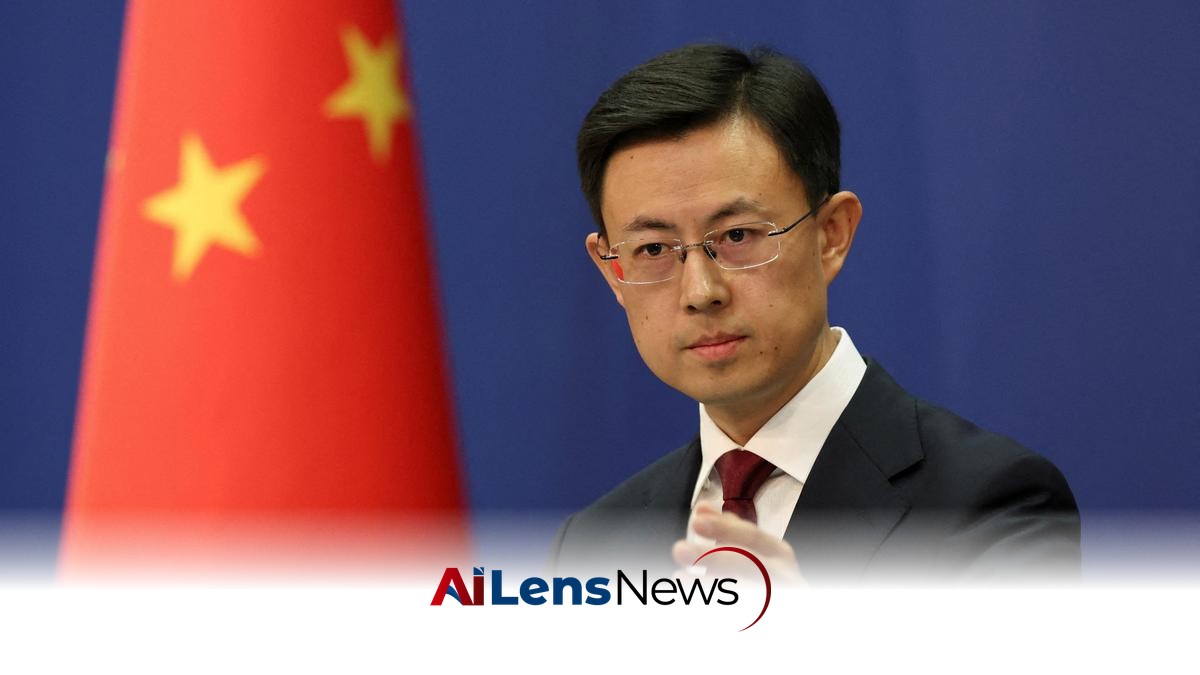
During a press conference following the law's implementation, Chinese Foreign Ministry spokesman Guo Jiakun responded to the international backlash by urging foreign nations to cease what he termed "spreading falsehoods" about China's ethnic policies. He accused certain countries of making sweeping generalizations and maliciously smearing China's efforts to promote ethnic unity. Guo's insistence on the validity of China's policies reflects a long-standing narrative from Beijing, which maintains that its approach to ethnic relations is beneficial for all groups involved and essential for maintaining internal security and economic development.
The Chinese government has consistently denied allegations of rights abuses against ethnic minorities, arguing that policies aimed at promoting stability and development are in the best interest of all citizens. This narrative is often juxtaposed against the criticisms levied by foreign governments and organizations, which they accuse of politicizing ethnic issues to interfere in China’s internal affairs. In this context, the Chinese government emphasizes its commitment to economic growth and social harmony, suggesting that these objectives can only be achieved through a unified national identity.
The response from the international community has been robust. A group of nine U.S. lawmakers issued a statement expressing their strong opposition to the new law, pledging to continue advocating against what they described as Beijing's efforts to legitimize transnational repression. This sentiment echoes a broader trend in U.S. foreign policy that increasingly views China as a strategic competitor, particularly in matters related to human rights and governance. The lawmakers' opposition reflects a growing concern that China's domestic policies may have far-reaching implications for global human rights standards.
Furthermore, the United Nations' human rights chief, Volker Turk, has called for the repeal of the law, citing concerns that it could institutionalize policies of forced assimilation. Turk's statement aligns with the positions taken by various human rights organizations, including Amnesty International, which has warned that the law could exacerbate existing issues of discrimination and repression faced by ethnic minorities. Such organizations argue that the law undermines the rights of individuals to maintain their cultural identities and languages, potentially leading to a homogenization of China's diverse ethnic landscape.
In addition to the U.S. and UN responses, Taiwan's government has also voiced its concerns regarding the implications of the law. The self-ruled island, which Beijing claims as part of its territory, stated that the law could lead to increased threats and intimidation against its people and those in other nations. This statement reflects the heightened tensions between Beijing and Taipei, particularly in light of China's assertive stance on issues of sovereignty and national identity. Taiwan's apprehensions underscore the broader geopolitical implications of China's domestic policies, as they may impact regional stability and security.
The implications of the Law on Promoting Ethnic Unity and Progress extend beyond China’s borders, affecting diplomatic relations and international perceptions of the Chinese government. As countries grapple with their responses to Beijing's policies, the law may serve as a focal point for broader discussions about human rights, national sovereignty, and the treatment of minorities globally. Nations that prioritize human rights may find themselves in a challenging position, balancing their economic interests with the moral imperative to advocate for the rights of marginalized groups.
In the context of international relations, the law could exacerbate existing tensions between China and Western nations, particularly as human rights issues become increasingly intertwined with economic and strategic considerations. Countries that prioritize human rights in their foreign policy may find themselves at odds with China's narrative, which emphasizes sovereignty and non-interference in domestic affairs. This divergence in perspectives could lead to a re-evaluation of diplomatic strategies, as nations seek to navigate the complex landscape of international relations while adhering to their values.
As the situation develops, it remains to be seen how the Chinese government will implement the law and how it will respond to ongoing international scrutiny. The law's enforcement and its effects on the ground will likely be closely monitored by human rights organizations and foreign governments alike. The potential for increased repression of ethnic minorities, coupled with the law's extraterritorial reach, raises critical questions about the future of ethnic relations in China and the international community's role in advocating for the rights of marginalized groups.
In conclusion, the Law on Promoting Ethnic Unity and Progress represents a significant shift in China's approach to managing its ethnic diversity. While the government frames the law as a necessary step towards national unity, the international community's response suggests that it may further entrench divisions and exacerbate tensions both domestically and abroad. As debates continue over the implications of this law, the voices of ethnic minorities and their advocates will remain crucial in shaping the discourse around human rights and ethnic relations in China. The ongoing dialogue surrounding this law will likely influence not only China's internal policies but also its international standing and relationships with other nations, particularly those committed to upholding human rights and advocating for the rights of ethnic minorities.
To learn more about the latest developments in International Politics, stay updated with our exclusive reports and analyses on AiLensNews.

