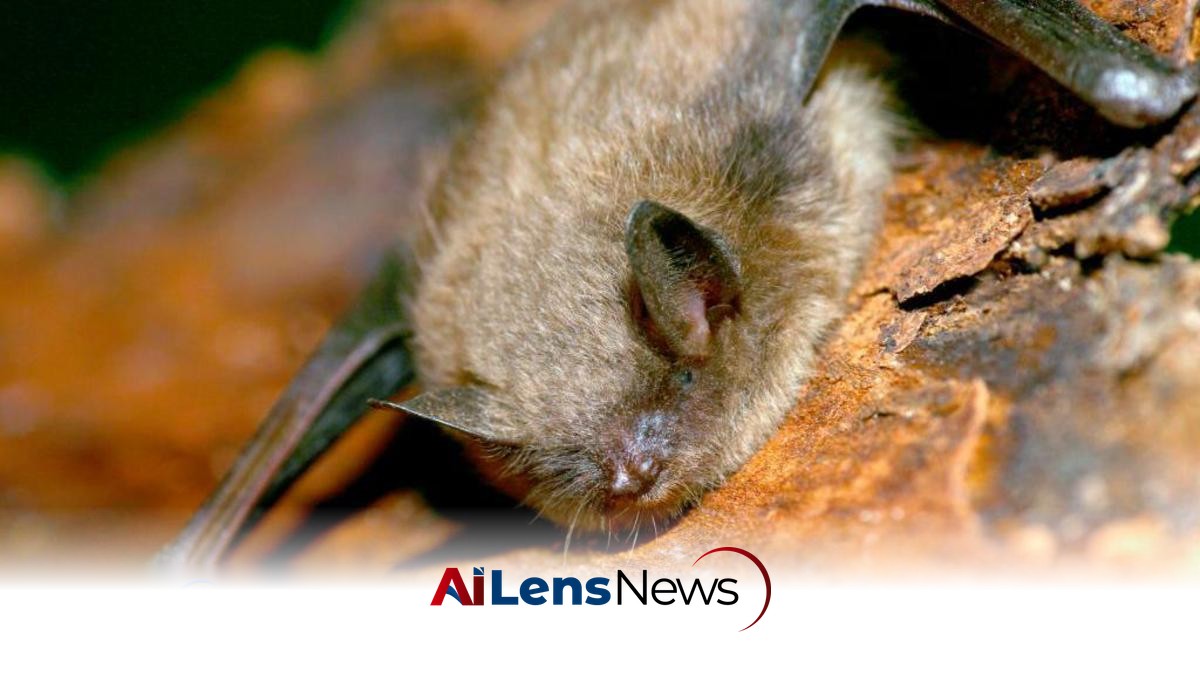


An 11-year-old boy in Canada died from rabies after a bat encounter during a family trip. Rabies infections are rare in the country.
New Delhi, India Jul 2, 2026 ALN: An 11-year-old Canadian boy has died from rabies after being awoken by a bat on his nose and mouth.
The incident took place while the child was on a visit to a cottage in Ontario with his family in 2024, according to a report in the Canadian Medical Association Journal published on Monday. The tragic event highlights the dangers associated with rabies, a viral disease that is preventable yet can have fatal consequences if not promptly treated.
The boy, who was not named in the report, swatted the bat off his face, after which his father caught the winged mammal in a pot and released it outside. This immediate action by the father is often recommended in situations where a bat is encountered, as it can help prevent further exposure to the animal. However, the family did not seek medical attention right away, as the boy did not exhibit any visible injuries and they did not perceive the bat’s behavior as erratic or concerning.
Rabies is a viral disease that primarily affects mammals, with bats being one of the most common carriers in many regions, including North America. The virus is typically transmitted through the saliva of an infected animal via bites, scratches, or open wounds. In this case, the parents’ decision to delay medical consultation proved to be critical, as rabies post-exposure prophylaxis is most effective when administered immediately after potential exposure.
After 19 days, the boy began experiencing numbness and swelling on his face, symptoms that prompted his family to seek emergency care. The Canadian Medical Association Journal chronicled his family’s efforts to get him diagnosed, which included multiple visits to clinics and hospitals over the following days. Initially, an emergency clinic prescribed antiviral medication used to treat infections caused by herpes viruses, as the medical staff suspected he might have Bell's palsy, which is characterized by temporary paralysis of facial muscles on one side of the face.
As his condition worsened, the boy returned to the hospital, where he was given a presumed diagnosis of herpes gingivostomatitis, a viral infection of the mouth and gums. However, the next day, he presented with weakness on the right side of his face, which raised further concerns among his caregivers. While awaiting admission, he developed a high fever of 39°C (102°F), along with additional alarming symptoms such as difficulty swallowing, confusion, and visual hallucinations. His rapid decline led to him being intubated and admitted to the pediatric intensive care unit.
Doctors at the University of Manitoba’s Department of Pediatrics and Child Health became increasingly suspicious of rabies as a potential diagnosis. Given the boy’s symptoms and the recent encounter with the bat, they recognized the need for immediate testing. Days later, laboratory tests confirmed the presence of rabies, and the Canadian Food Inspection Agency identified a bat rabies virus variant in the sample. Tragically, the boy succumbed to the disease just 17 days after being admitted to the hospital.
This case is particularly notable as rabies infections are rare in Canada. According to the Canadian Veterinary Medical Association, there have been only 28 human deaths due to rabies in the country since 1924. This low incidence rate can be attributed to widespread vaccination programs for pets and wildlife, as well as public health initiatives aimed at educating communities about the risks associated with rabies and the importance of immediate medical intervention following potential exposure.
The Canadian Veterinary Medical Association emphasizes that failure to maintain these vaccination programs can lead to a resurgence of rabies in wildlife populations, which in turn increases the risk of human exposure. Any direct human contact with a bat is considered an indication for rabies post-exposure prophylaxis, which involves a series of vaccinations that can effectively prevent the onset of the disease if administered promptly after exposure.
Rabies is almost always fatal once clinical symptoms develop, making early intervention crucial for survival. The disease typically progresses through several stages, beginning with flu-like symptoms and advancing to neurological manifestations, including confusion, agitation, and ultimately paralysis and death.
This tragic incident serves as a stark reminder of the importance of public awareness regarding rabies and the need for immediate medical attention following potential exposure. It also highlights the critical role of education in preventing such incidents, particularly in areas where bats are prevalent. Public health campaigns that inform people about the risks associated with bats, as well as the appropriate actions to take if they encounter one, can help prevent future tragedies.
In light of this incident, health officials may also consider reviewing existing public health strategies related to rabies prevention and response. This could include enhancing community outreach efforts, providing resources for families who may be at risk, and ensuring that healthcare providers are adequately trained to recognize the symptoms of rabies and the need for immediate intervention.
Overall, the death of this young boy underscores the necessity of vigilance in the face of rabies and the importance of swift medical action following potential exposure to rabid animals. As communities continue to engage in efforts to control rabies through vaccination and education, it is essential to remember that the disease remains a significant threat, particularly for those who may inadvertently come into contact with infected wildlife.
Rabies has a long and tragic history, having been recognized for centuries as a deadly disease. The virus was first identified in the 19th century, and since then, significant strides have been made in understanding its transmission and prevention. Vaccination has played a pivotal role in controlling rabies among domestic animals, particularly dogs, which are often the primary source of rabies transmission to humans in many parts of the .
In Canada, the rabies virus is primarily carried by bats, raccoons, and skunks. The presence of rabies in wildlife populations poses a continuous threat, making it imperative for public health officials to monitor these populations closely. Surveillance programs are in place to track rabies cases in wildlife and to implement control measures when necessary. These measures often include vaccination campaigns for wildlife, aimed at reducing the incidence of rabies in these populations.
Educational initiatives are crucial in raising awareness about rabies and its transmission. Schools, community organizations, and health departments often collaborate to provide information on how to avoid encounters with potentially rabid animals and the importance of seeking medical attention after any potential exposure. These efforts are essential in reducing the number of rabies cases and ensuring that communities remain vigilant against this preventable disease.
Furthermore, the incident involving the young boy serves as a reminder to families about the importance of being aware of their surroundings, especially in rural or wooded areas where wildlife encounters are more likely. Parents are encouraged to educate their children about the risks associated with bats and other wildlife, including the importance of not approaching or handling these animals.
As rabies remains a public health concern, ongoing research into vaccines and treatments continues to be a priority. Scientists are working to develop more effective vaccines and therapies that can be administered after exposure to the virus. This research is vital in the fight against rabies and could lead to improved outcomes for those who are exposed to the virus in the future.
In conclusion, the death of this young boy from rabies is a tragic reminder of the dangers that exist in our environment and the importance of rapid medical intervention following potential exposure to rabid animals. It underscores the need for continued public health efforts to educate communities about rabies, promote vaccination programs, and ensure that healthcare providers are equipped to recognize and respond to potential rabies cases. Vigilance, education, and swift action are key components in preventing future tragedies related to this preventable disease.
To learn more about the latest developments in Culture & Society, stay updated with our exclusive reports and analyses on AiLensNews.

