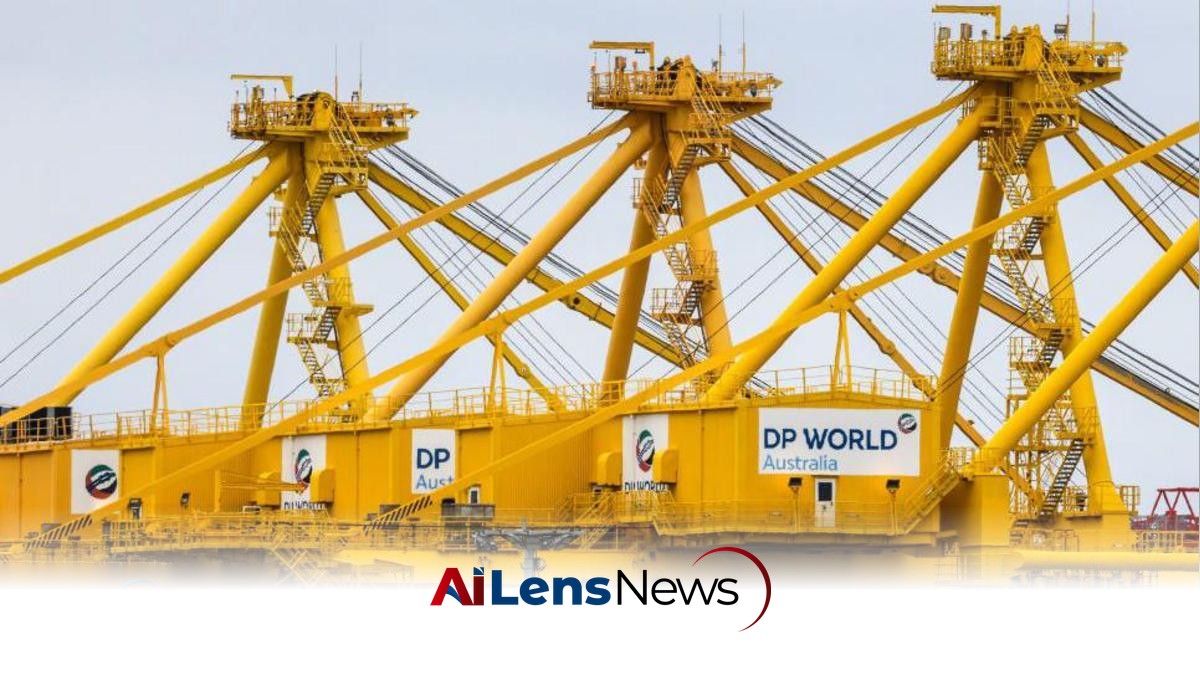


Australian dock workers demand a 28-hour work week as AI automation threatens jobs, with the Maritime Union advocating for workers' rights amid technological changes.
New Delhi, India Jul 8, 2026 ALN: Australian dock workers are demanding a 28-hour work week with no loss of pay as the use of artificial intelligence (AI) and automation expands across the country's ports.
The call for a reduced work week comes at a time when the integration of technology into the workforce is accelerating, raising concerns about job security and the future of work in various industries. The Maritime Union of Australia (MUA) has been vocal in its opposition to the potential negative impacts of these technological advancements, particularly as they relate to the livelihoods of dock workers.
The push for a 28-hour work week reflects a growing recognition among labor groups that the rapid advancement of AI could fundamentally alter the nature of work. As industries increasingly adopt automation to enhance productivity and reduce costs, workers are left grappling with the uncertainty of their job security. The MUA's demands highlight the importance of ensuring that the benefits of technological advancements are shared equitably among all stakeholders, rather than disproportionately favoring corporate profits at the expense of workers' livelihoods.
The AI push is being led by port logistics giant DP , which the MUA stated has put workers' jobs "in the crosshairs." This assertion reflects broader anxieties about how automation can displace workers, especially in sectors like shipping and logistics that are increasingly reliant on technology to enhance efficiency and reduce costs. The MUA argues that the implementation of AI should not come at the cost of workers' jobs, and that companies must consider the social implications of their technological investments.
The union's statement underscores the tension between technological advancement and worker rights. The MUA emphasized, "If DP wants AI and automation, then they must pay the social dividend. The new technology doesn't have to cost our members their jobs or put their livelihoods at risk just so a terminal operator can boost profits." This perspective resonates with many labor organizations around the that are advocating for workers to share in the benefits of technological progress, rather than being left vulnerable to job displacement.
DP , which is based in Dubai, is increasingly testing AI tools to manage employees and work schedules in its operations. A study by the Centre For International Corporate Tax Accountability and Research, commissioned by the MUA, indicated that the automation programme is part of a broader trend of pushing AI into operations "without genuine consultation." This lack of engagement with workers raises questions about the ethical implications of implementing such technologies, particularly when they threaten to significantly reduce the workforce. The study suggested that up to a thousand jobs could be at risk, representing more than 60% of the dock and maintenance workforce.
In addition to the potential job losses, DP has proposed the use of AI-assisted remote-control cranes and driverless vehicles to further automate port operations. While these innovations may improve efficiency, they also highlight the need for a balanced approach that considers the impact on workers. The MUA's position is that technology "should be used to improve workers' lives, not destroy them," reflecting a growing sentiment among labor advocates that technological advancements should enhance rather than undermine job security.
Currently, DP dock workers are believed to work around 32 to 35 hours a week, depending on their location, according to the Australian Financial Review, which first reported the negotiations. The push for a 28-hour work week, therefore, represents a significant shift in labor expectations, aiming for a better work-life balance amid the changing landscape of employment driven by AI and automation. This demand is not just about reducing hours; it also reflects a broader call for a re-evaluation of labor standards in the face of unprecedented technological change.
DP is one of Australia’s largest port operators and is ultimately controlled by Dubai's ruler, Sheikh Mohammed bin Rashid Al Maktoum. The company's operations in Australia include major ports in Sydney, Melbourne, and other key locations, where it handles millions of shipping containers each year. With operations in 84 countries and more than 126,000 employees wide, DP manages approximately a tenth of global container traffic, making it a significant player in international logistics.
Last year, DP ’s Asia Pacific chief executive Glen Hilton stated that the company is using AI across ports in the region to manage increasingly complex supply chains. His remarks reflect a broader industry trend where companies are leveraging technology to enhance operational efficiency in response to growing demands for faster and more reliable shipping services. Hilton noted that the use of the technology is "no longer optional" but essential, highlighting the pressure on companies to adopt innovative solutions to remain competitive in a rapidly evolving market.
The situation in Australia is emblematic of a larger global debate about the role of AI and automation in the workforce. Many industries are grappling with similar challenges as they navigate the balance between technological advancement and the protection of workers' rights. The demand for a 28-hour work week by Australian dock workers is a part of this global discourse, emphasizing the need for policies that protect workers while allowing for innovation.
As the conversation around AI and automation continues to evolve, it is crucial for stakeholders—including companies, governments, and labor unions—to engage in meaningful dialogue about the future of work. This includes addressing concerns about job security, ensuring that workers are equipped with the skills needed to thrive in an increasingly automated environment, and exploring new models of employment that prioritize worker well-being. The integration of AI into the workforce presents both opportunities and challenges, and it is essential for all parties to work collaboratively to navigate this complex landscape.
In conclusion, the demands of Australian dock workers for a 28-hour work week amidst the rise of AI in port operations highlight the urgent need for a comprehensive approach to labor relations in the age of technology. The outcomes of these negotiations may set important precedents for how industries adapt to the challenges posed by automation while safeguarding the rights and livelihoods of workers. As the future of work continues to unfold, it is imperative that the dialogue surrounding these issues remains inclusive and focused on the well-being of all workers, ensuring that technological progress does not come at the expense of human dignity and job security.
To learn more about the latest developments in Culture & Society, stay updated with our exclusive reports and analyses on AiLensNews.

