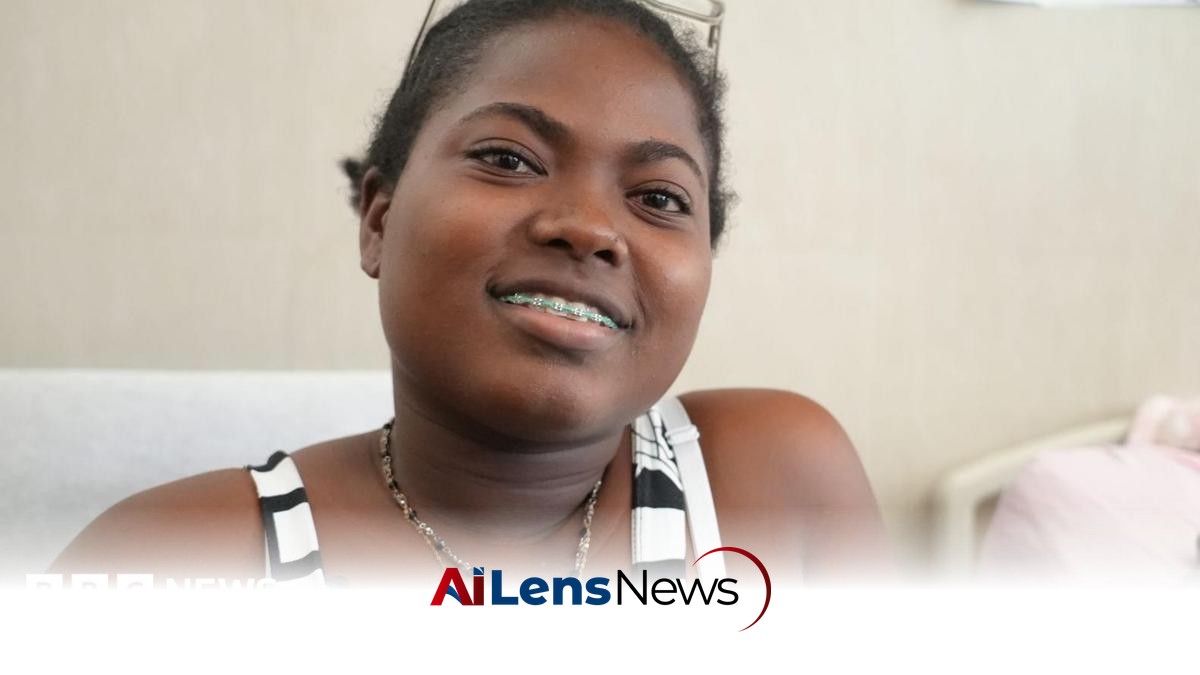


Kleiber Moran, 2, was rescued after six days under rubble following devastating earthquakes in Venezuela. His aunt shares her joy and hopes for his parents.
New Delhi, India Jul 2, 2026 ALN: The aunt of a two-year-old boy who was rescued after six days under rubble in Venezuela has spoken to the BBC of her elation at being reunited with her nephew and her hopes that his parents might still be found.
Kleiber Moran was pulled from the rubble of his home in Venezuela's northern La Guaira state by Jordanian rescuers early on Tuesday. His miraculous survival has captured the attention of many, highlighting both the resilience of the human spirit and the dire circumstances surrounding the recent natural disasters that have devastated the region.
Venezuela's interim President Delcy Rodríguez has described the rescue as a "source of hope for our people" as the death toll from two major earthquakes last Wednesday continues to rise. These earthquakes, measuring 7.2 and 6.8 on the Richter scale, struck in quick succession, causing widespread destruction across several states, particularly affecting La Guaira, which is known for its coastal proximity and vulnerable infrastructure.
The boy's aunt, 23-year-old Andreína Sarmiento, told the BBC she would "take care of Kleiber with a mother's warmth until my sister appears, which is what we long for." This statement reflects not only her love for her nephew but also the deep emotional bond she shares with her sister, Ana Luz, who remains missing. The anguish of uncertainty looms large as Andreína grapples with the duality of joy and sorrow in this moment.
"I'm praying a lot to God to give me strength because he is only two years old and I am not a mother," she said, sitting at Kleiber's bedside and holding his hand in a hospital in the capital Caracas. Her vulnerability is palpable, as she navigates the complex emotions of being a caretaker in such a traumatic context, while also yearning for her sister’s safe return.
"It hurts me a lot because my sister always used to tell me that he is my son, and now it's like she's handing him over to me and saying 'this is your son, he is your responsibility,'" she said. This sentiment underscores the familial ties that bind them together and the weight of responsibility that now rests on Andreína's shoulders.
When a friend phoned Andreína from La Guaira to tell her of Kleiber's rescue, she fell to the floor and screamed and wept, before heading to meet him. This reaction is emblematic of the emotional turmoil faced by families affected by such disasters, where moments of hope can be overshadowed by despair. The emotional rollercoaster of receiving of survival amidst the chaos of loss is a reality for many in the region.
She said rescuers from the UK had also tried to reach him before the Jordanian team's efforts were successful. The international response to the disaster has been significant, with teams from various countries arriving to assist in search and rescue operations. This highlights the global solidarity that often emerges in the wake of natural disasters, as nations come together to offer aid and support.
When the two were reunited, Kleiber looked at Andreína and immediately said "she Auntie." This moment of recognition and affection is a testament to the enduring bonds of family, even in the face of trauma. Andreína described how Kleiber was in a "state of shock, screaming and screaming" when he arrived at the hospital. But he slept through the night and by Wednesday "he had stabilised." The resilience of children, especially in such critical situations, often astonishes caregivers and medical professionals alike.
She said that "today he's giving me little kisses, he talks to me, he tells me where it hurts." As she spoke, Kleiber lay next to her, wrapped in a Spiderman blanket and surrounded by toys, pushing a small car around the bed. He was in a ward with other children who had also survived the earthquakes, highlighting the shared experience of trauma and recovery among young survivors.
"He doesn't even have a single fracture. Everything is very good. All he has are some scratches here on his arms and on his legs, but nothing more," Andreína told the BBC with a broad smile. This positive update comes as a relief amid the broader context of devastation that the earthquakes have wrought on the community.
But while she is elated at being reunited with her nephew, Andreína said "it hurts because I can't find my sister." The search for Ana Luz and other missing persons continues, as families cling to hope against the grim realities of the situation. She said she and 31-year-old Ana Luz were extremely close and would talk every day on video calls. Her sister always had Kleiber by her side, which illustrates the close-knit nature of their family and the deep connections that have been disrupted by this disaster.
"Wherever she went, her son went too. Whatever Kleiber wanted, she would please him. If she didn't have money, she would call me: 'Kleiber wants this' or 'he's missing this,'" Andreína said. This description paints a vivid picture of a devoted mother, deeply invested in her child's happiness and well-being, making her absence all the more poignant.
"She is my older sister and I always trusted her and could tell her my problems and whenever I spoke to her on a video call, the child was by her side." This highlights the importance of familial support systems, especially in times of crisis, as individuals rely on one another for emotional strength and practical assistance.
Andreína said she was certain that her sister would have been next to Kleiber in the rubble, reinforcing the fear and anxiety that accompanies the search for loved ones in disaster scenarios. As she sat with her nephew in the hospital, desperate search and rescue efforts were continuing after the earthquakes. The urgency of these efforts is underscored by the rising death toll and the increasing number of missing persons.
Some 2,295 deaths have been officially recorded, but the final toll is expected to be many times higher. Tens of thousands have been reported missing, and the United Nations has said it is procuring 10,000 body bags for the country. This stark statistic emphasizes the scale of the catastrophe and the challenges faced by rescue teams in locating survivors amidst the ruins.
Andreína said she had not lost hope that Kleiber's parents would be rescued. "Just as they found my nephew, I have faith that they are going to find my sister and my brother-in-law," she said. This unwavering hope is a common theme among families affected by disasters, as they cling to the possibility of reunification and recovery in the face of overwhelming odds.
Looking affectionately at Kleiber, she said she believed "he has a purpose in the ." This statement reflects a sense of optimism and resilience that is often found in the aftermath of tragedy, as families seek to find meaning and hope in their experiences. "When this child grows up, God willing, this will be his story," she said, suggesting that Kleiber's survival may serve as a source of inspiration and strength for others in the future.
The rescue of Kleiber Moran has not only provided a glimmer of hope for his family but also serves as a reminder of the human capacity for endurance and love in the face of unimaginable hardship. As the search for other survivors continues, the story of Kleiber and Andreína highlights the importance of community, family bonds, and the collective resilience that emerges in times of crisis.
To learn more about the latest developments in Migration & Refugees, stay updated with our exclusive reports and analyses on AiLensNews.

