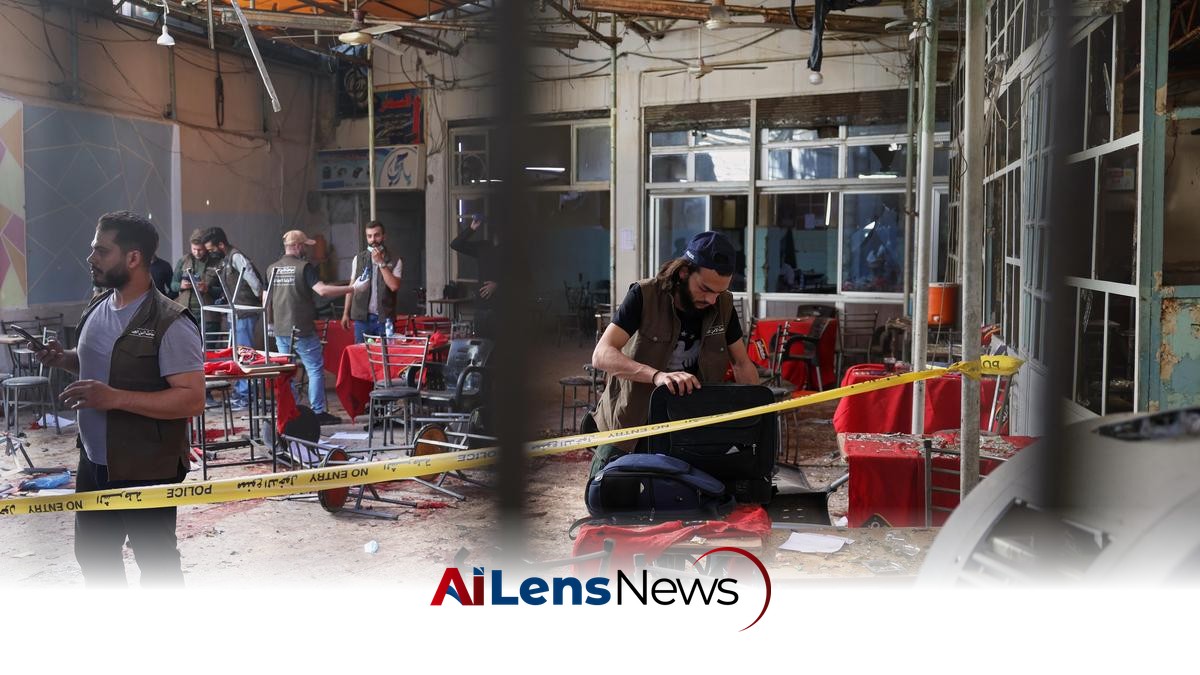


A bomb explosion in a Damascus cafe kills nine and injures 20, prompting an investigation by security forces.
New Delhi, India Jul 3, 2026 ALN: An explosive device was detonated Thursday, July 2, 2026, in a cafe located in the Syrian capital of Damascus, leading to a tragic loss of life. According to Syria's Health Ministry, at least nine people were killed in the explosion, with an additional 20 individuals reported as wounded. The attack occurred near the main courthouse complex, a significant area in the city known for its legal activities and bustling atmosphere, which has historically been a hub of social and professional interaction.
The incident was reported widely by Syria's state-run Al-Ikhbariya network, which provided early details about the explosion and its aftermath. In the immediate wake of the blast, security forces quickly arrived on the scene, cordoning off the area to facilitate an investigation and ensure the safety of bystanders. The Interior Ministry is expected to announce its initial findings regarding the incident in the coming days, as stated by Damascus Governor Maher Idlibi. He remarked on the nature of the explosive device, describing it as "primitive," and emphasized the government’s commitment to holding the perpetrators accountable for this violent act.
The explosion has drawn significant attention, particularly due to the cafe's reputation as a popular gathering spot for lawyers and other professionals working in the vicinity. This aspect of the location underscores the attack's impact not only on the victims but also on the broader community that frequented the establishment. The cafe was known for its vibrant atmosphere, often filled with discussions about legal matters and current events, making it a focal point for networking among those in the legal profession.
In the aftermath of the explosion, disturbing images circulated on social media, showing several injured individuals lying on the ground amid the chaos. Eyewitness accounts further detailed the immediate response to the tragedy, with local restaurant owner Jalal Aljanani recounting his experience after hearing the explosion. He rushed to the scene and was confronted with a horrific sight. "We carried the victims to the cars until the traffic police arrived," he stated, visibly shaken and with his shirt stained with blood. His description highlighted the severity of the injuries sustained by the victims, many of whom were reportedly suffering from severe impact injuries and significant blood loss. This immediate response from the community illustrates the solidarity that often emerges in times of crisis, as individuals come together to assist those in need.
The context of this attack cannot be understood without considering the broader security landscape in Syria. Since the overthrow of the Assad dynasty and the establishment of a new regime in December 2024, the Syrian government has intensified its efforts to combat militant groups, particularly the extremist Islamic State group (IS). The rise of IS and its affiliates has posed ongoing security challenges for the new leadership, prompting a series of operations aimed at neutralizing potential threats within the capital and surrounding areas. The presence of IS and other extremist factions has made it increasingly difficult for the government to maintain a stable and secure environment, leading to a cycle of violence that continues to plague the nation.
During the protracted conflict that began in 2011, the political landscape in Syria underwent significant changes, leading to the emergence of various factions and militant groups. Syrian President Ahmad al-Sharaa, who came to power following the regime change, previously led the Hayat Tahrir al Sham group, which had ties to al-Qaida. Since assuming leadership, he has made public commitments to protect all Syrians, with a particular focus on safeguarding religious and ethnic minorities amid the ongoing turmoil. However, the effectiveness of these commitments is often questioned, especially in light of recent violent incidents that suggest a persistent threat from extremist elements.
Despite the government's efforts to reassert authority across much of the country and regain control from extremist factions and Kurdish-led forces, the security situation remains precarious. The government has reported frequent raids on IS cells and has claimed to thwart numerous planned attacks targeting minority communities and busy commercial areas. However, the occurrence of incidents like the recent bombing, along with a suicide attack on a church in July 2025, has left many Syrians feeling anxious and vulnerable. The psychological toll of such violence cannot be overstated, as citizens live in constant fear of becoming victims of similar attacks.
The implications of this latest attack extend beyond immediate casualties; they resonate deeply within the societal fabric of Syria. As the government continues its campaign against militant threats, the persistent violence raises questions about the effectiveness of these measures and the overall stability of the region. The psychological impact on the populace, particularly in urban centers like Damascus, is profound, as citizens grapple with the fear of further attacks and the potential for escalating violence. The normalization of such violence can lead to a desensitization among the population, which may have long-term effects on societal cohesion and trust in government institutions.
In light of this incident, it is crucial for the international community to remain engaged with the situation in Syria. Ongoing support for peace initiatives and efforts to address the root causes of extremism are essential for fostering long-term stability. The recent attack serves as a stark reminder of the challenges that persist in the region, highlighting the need for comprehensive strategies that prioritize security while also addressing the humanitarian needs of the Syrian people. International organizations and foreign governments have a role to play in supporting local initiatives aimed at reconciliation and rebuilding, as well as in providing humanitarian aid to those affected by the ongoing conflict.
As investigations continue, the focus will likely shift towards identifying those responsible for the attack and understanding the motivations behind such acts of violence. The government’s response, coupled with public sentiment in the aftermath of this tragedy, will play a significant role in shaping the future of security and governance in Syria. Public trust in the government’s ability to protect its citizens will be critical in the coming days and weeks, as the authorities work to reassure the populace and restore a sense of safety.
In conclusion, the explosion in Damascus not only underscores the ongoing volatility within the region but also reflects the struggles faced by the new regime in maintaining order and ensuring the safety of its citizens. As the nation continues to navigate the complexities of post-conflict recovery, the path forward remains fraught with challenges that require concerted efforts from both local authorities and the international community. The need for a multifaceted approach that addresses both security concerns and the humanitarian crisis is more pressing than ever, as the people of Syria continue to seek a semblance of normalcy amidst the chaos.
To learn more about the latest developments in Wars & Conflicts, stay updated with our exclusive reports and analyses on AiLensNews.

