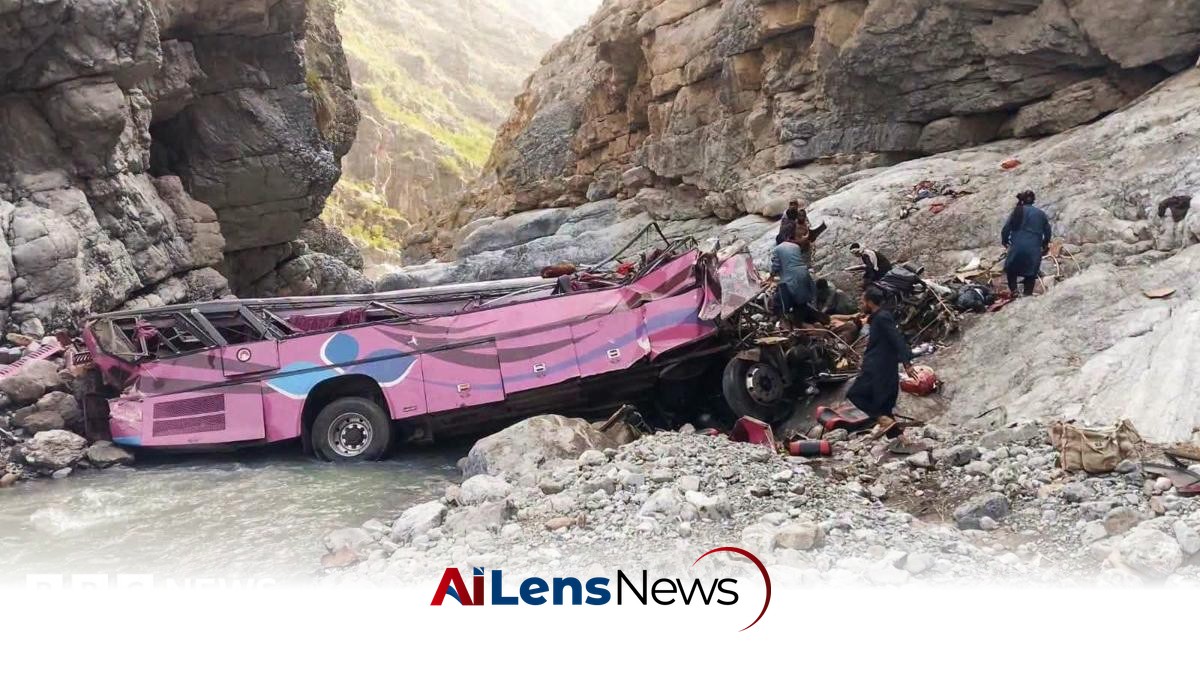


A tragic bus accident in Pakistan's Dana Sar mountain range has resulted in at least 32 fatalities and numerous injuries, raising concerns over road safety.
New Delhi, India Jul 3, 2026 ALN: At least 32 people were killed and 16 others injured after an overcrowded passenger bus plunged into a ravine in south-western Pakistan.
The tragic incident occurred on a Friday morning when the bus was traveling from Quetta to Peshawar, two major cities in Pakistan. The crash took place in the Dana Sar mountain range, which lies on the border between the Balochistan and Khyber Pakhtunkhwa provinces, at approximately 08:00 local time (03:00 GMT). This region is known for its rugged terrain and steep cliffs, which can pose significant risks for vehicles navigating the area. The mountainous landscape is not only beautiful but also treacherous, with narrow roads that are often poorly maintained, making travel particularly dangerous during adverse weather conditions.
According to reports from a government official at Zhob Hospital, a total of 48 individuals were on board the bus at the time of the accident. Among those on the bus were women and children, highlighting the impact of the tragedy on families and communities. The loss of life in such incidents is often felt deeply, as many of the deceased may be breadwinners or caretakers within their families. This tragedy underscores the vulnerability of public transport users in Pakistan, where many families rely on buses for their daily commutes and long-distance travel.
The cause of the crash is currently under investigation. Preliminary reports suggest that a steering fault may have contributed to the driver losing control of the vehicle, leading to the bus skidding off the mountain range. Such mechanical failures are not uncommon in a country where vehicle maintenance can sometimes be overlooked due to economic constraints or lack of regulatory enforcement. The economic realities faced by many transport operators often lead to a compromise on vehicle safety, as they may prioritize operational costs over necessary maintenance checks.
Images from the crash site depict the bus in a severely damaged state after its fall into the ravine. The visual evidence of destruction serves as a stark reminder of the dangers associated with road travel in Pakistan, particularly in mountainous regions where accidents can have dire consequences. The sheer height from which the bus fell likely exacerbated the severity of injuries sustained by those on board. Such incidents often lead to discussions about the adequacy of safety measures and the need for stricter regulations in the transportation sector.
Emergency responders were swiftly deployed to the scene following the accident, with dozens of ambulances sent to assist in the rescue efforts. However, the challenging terrain significantly hampered these efforts, making it difficult for rescuers to reach the site promptly. The injured were transported to the District Headquarters Hospital in Zhob, located about 68 kilometers (approximately 42 miles) from the crash site, where they received medical attention. The logistical challenges faced by emergency services in remote areas like this highlight the need for better infrastructure and emergency response systems in Pakistan.
Sanaullah Sherani, the head of Zhob district's emergency service, provided details on the incident, stating that the bus fell approximately 70 to 80 feet (21 to 24 meters) into the ravine. The height of the fall likely contributed to the severity of injuries sustained by those on board, as well as the number of fatalities. This particular incident is not an isolated case; Pakistan has a history of deadly bus accidents, often linked to a combination of overcrowding, poor vehicle maintenance, and treacherous road conditions.
In the aftermath of the crash, the bodies of the deceased were taken to the hospital for identification purposes. Following this process, arrangements will be made for their transport back to their hometowns by ambulance, allowing families to mourn and conduct funeral rites for their loved ones. The emotional toll of such tragedies extends beyond immediate family members, affecting entire communities as they come together to support those in grief.
Shahid Rind, a spokesperson for Balochistan's chief minister, indicated that initial information pointed to the bus being overcrowded. It was reported that the bus had taken on additional passengers from another vehicle that had broken down. Overcrowding is a common issue in public transportation across Pakistan, where economic pressures often lead to drivers prioritizing profit over safety. This practice can significantly increase the risk of accidents, particularly in vehicles that may already be in poor condition. The culture of overcrowding reflects broader systemic issues within the transportation sector, including inadequate regulatory oversight and enforcement of safety standards.
The incident has drawn attention from high-ranking officials, with President Asif Ali Zardari and Prime Minister Shehbaz Sharif expressing their sorrow over the tragic loss of life. Their statements reflect a broader concern for public safety and the need for improvements in road safety measures across the country. The involvement of national leaders in expressing condolences suggests a recognition of the need for systemic change in how transportation safety is managed in Pakistan.
Balochistan's Chief Minister Sarfraz Bugti also expressed his condolences via a post on X, stating that he was "deeply saddened" by the accident and has ordered an inquiry to investigate the circumstances surrounding it. Bugti's response underscores the importance of accountability and the need for thorough investigations to prevent similar tragedies in the future. He noted that immediate medical support was being provided to the injured, highlighting the urgency of the situation. Such inquiries can often lead to recommendations for policy changes, though their implementation can vary based on political will and public pressure.
Fatal accidents are unfortunately common on Pakistan's roads, with contributing factors including reckless driving, poor road conditions, and the prevalence of inadequately maintained vehicles. The country's transportation infrastructure has long been criticized for its lack of safety standards, leading to a high rate of traffic-related fatalities. In 2024, a similar incident occurred when at least 17 pilgrims were killed and 40 others injured after their bus fell into a ravine while traveling to Balochistan for Eid celebrations. This incident serves as a reminder of the ongoing challenges faced by the transportation sector in Pakistan, where safety measures often lag behind the growing demand for public transport.
In light of this latest tragedy, there is a growing call for the government to take more decisive action to enhance road safety regulations and enforce stricter oversight of public transportation services. Advocates for road safety are urging policymakers to prioritize infrastructure improvements, vehicle maintenance checks, and driver training programs to mitigate the risks associated with road travel. The hope is that by addressing these issues, future tragedies can be prevented, and the lives of countless individuals can be safeguarded. The role of civil society and advocacy groups is crucial in pushing for these reforms, as they can raise awareness about the importance of road safety and hold authorities accountable.
As the investigation into this latest accident unfolds, the families of the victims are left to grapple with their loss, while the nation reflects on the urgent need for reforms to ensure that such devastating events do not continue to occur. The impact of this tragedy will be felt not only by the families directly affected but also by the broader community, as the loss of life in such circumstances resonates deeply within the fabric of society. The emotional scars left by such incidents can linger for years, affecting community dynamics and trust in public transport systems. The hope remains that through collective action and policy reforms, the frequency of such tragic events can be reduced, allowing for safer travel for all citizens.
To learn more about the latest developments in Regions & Countries, stay updated with our exclusive reports and analyses on AiLensNews.

