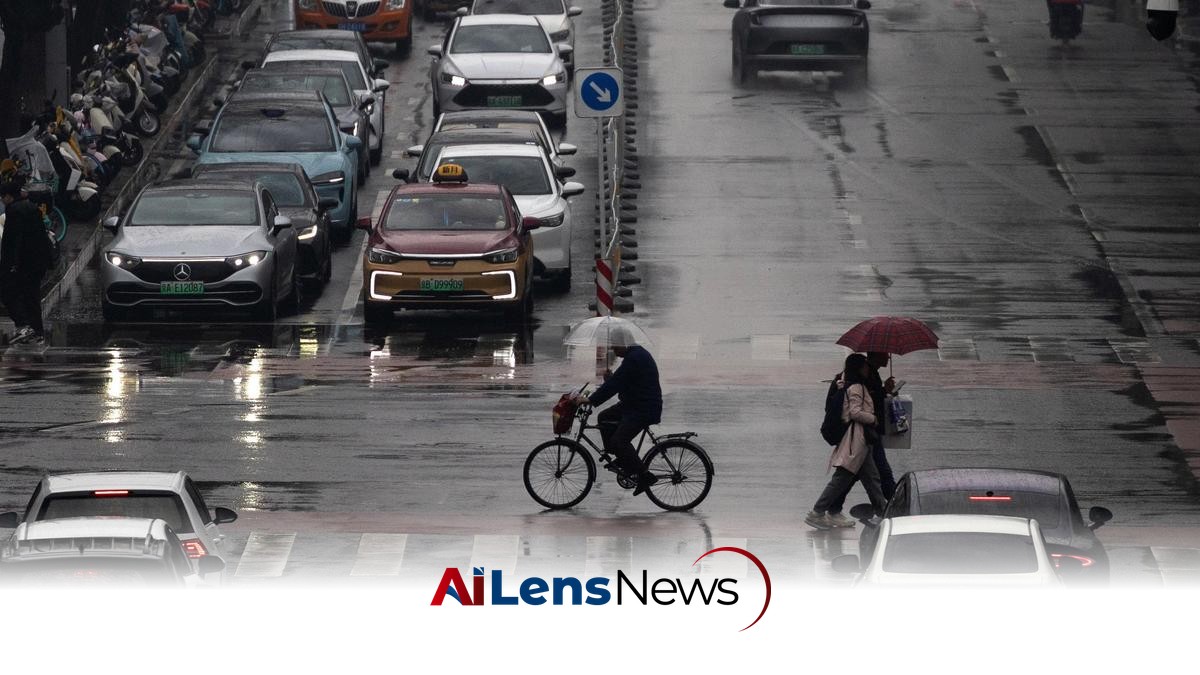


Severe storms in central China have killed 15 and injured 275, prompting urgent rescue efforts amid heavy flooding.
China, China Jul 7, 2026 ALN: Thunderstorms and strong winds have wreaked havoc across central China, leading to a tragic loss of life and significant injuries. Reports indicate that at least 15 individuals have been killed and 275 injured as a result of the severe weather conditions, which have prompted a nationwide call for urgent rescue efforts from Chinese leader Xi Jinping. The situation is particularly dire in the central province of Hubei, where the effects of the storm have been devastating.
The province of Hubei, known for its rich cultural history and vital role in China's economy, has experienced some of the most severe impacts of the storm. According to updates from state news agency Xinhua, 11 people have lost their lives in Hubei, and one person remains unaccounted for. These fatalities underscore the destructive power of the severe weather, which struck on Monday, July 6, 2026. The storms have been characterized by what officials have described as "severe convective weather," a term used to describe intense thunderstorms that can produce heavy rainfall, hail, and strong winds.
In addition to the casualties in Hubei, the southern region of Guangxi has also been affected, with four fatalities and eight individuals reported missing. The state broadcaster CCTV has confirmed these figures, highlighting the extensive reach of the storms across different regions of China. The convergence of severe weather patterns has created a challenging situation for local authorities as they work to manage the crisis.
As the storm system moved through central China, multiple cities within Hubei province experienced extreme weather events, including thunderstorms and powerful winds. Cities such as Huangshi and Huanggang were particularly hard hit, suffering from extensive property damage and infrastructure disruption. The storms have also been linked to reports of tornadoes in certain areas, further complicating rescue and recovery efforts. In Huanggang's Huangzhou district, 275 individuals sustained injuries, although the specifics regarding the nature and severity of these injuries have not been detailed in reports.
In response to the crisis, local authorities have taken immediate action to protect residents. Evacuations have been carried out, with 408 individuals relocated to safer areas to mitigate the risks associated with the severe weather. Rescue and relief operations are currently underway, with emergency services mobilized to assist those in need. The urgency of these efforts is underscored by the rising death toll and the number of missing persons, as communities come together to confront the aftermath of the storm.
Compounding the challenges faced by residents in Guangxi, heavy rains and severe flooding linked to Typhoon Maysak have further exacerbated the situation. At least two fatalities have been confirmed in Guangxi due to the flooding, prompting authorities to issue evacuation orders for approximately 48,000 residents as rising waters threaten homes and infrastructure. The situation in Nanning, the capital of Guangxi, has reached a critical point, with officials raising the flood control emergency response to its highest level. This decision was made after torrential rains breached dams, leading to dramatic scenes of muddy water rushing through damaged areas.
The impact of the flooding has been severe, with homes and vehicles in various parts of Guangxi partially submerged. The visual evidence of destruction has been stark, with footage shared by CCTV showing the extent of the flooding and the challenges faced by rescue workers. Equipped with life vests and helmets, these workers have been deployed to search for missing individuals, utilizing inflatable boats to navigate the inundated streets and neighborhoods.
The ongoing rescue operations reflect the urgency of the situation as communities band together to address the challenges posed by the extreme weather. Volunteers and local organizations have also stepped up to provide support, offering food, shelter, and assistance to those displaced by the storms. As the death toll continues to rise and many remain unaccounted for, the focus of authorities and community leaders remains on ensuring the safety and well-being of those affected.
This severe weather event serves as a reminder of the increasing frequency and intensity of storms attributed to climate change. Scientists have warned that such extreme weather events are likely to become more common, posing significant risks to vulnerable regions. The implications of this storm extend beyond immediate concerns for safety and recovery; they highlight the need for long-term strategies to enhance resilience against future weather-related disasters.
Historically, China has faced numerous natural disasters, including floods, earthquakes, and typhoons, which have underscored the necessity for robust disaster management systems. The government has made strides in enhancing its emergency response capabilities, but the increasing severity of weather events continues to challenge these efforts. The recent storms in Hubei and Guangxi illustrate the critical need for effective communication and coordination among local, provincial, and national authorities to ensure timely and efficient responses to such crises.
Furthermore, the socio-economic implications of such disasters are profound. The loss of life and property not only affects families and communities but also has long-term effects on local economies. In regions like Hubei, which is known for its agricultural output and industrial activities, the disruption caused by severe weather can lead to significant economic losses. Farmers may face crop failures, while businesses may struggle to recover from the damage to infrastructure. These economic ramifications can extend beyond the immediate area, affecting supply chains and markets across the country.
In light of these events, discussions around climate adaptation and disaster preparedness are becoming increasingly urgent. Policymakers are being urged to invest in infrastructure improvements, such as better drainage systems and flood defenses, to mitigate the impact of future storms and flooding. Additionally, public awareness campaigns are essential to educate communities about preparedness measures, such as emergency kits and evacuation plans, which can save lives during severe weather events.
In conclusion, the recent storms in central China have resulted in tragic loss of life and widespread destruction. As rescue efforts continue, the focus remains on providing support to affected communities and addressing the immediate needs of those impacted by this severe weather. The situation serves as a critical reminder of the challenges posed by climate change and the importance of preparedness and resilience in the face of such natural disasters. Moving forward, it will be crucial for China to enhance its disaster response strategies and invest in long-term solutions that address the root causes of vulnerability to extreme weather events.
To learn more about the latest developments in Climate & Environment, stay updated with our exclusive reports and analyses on AiLensNews.

