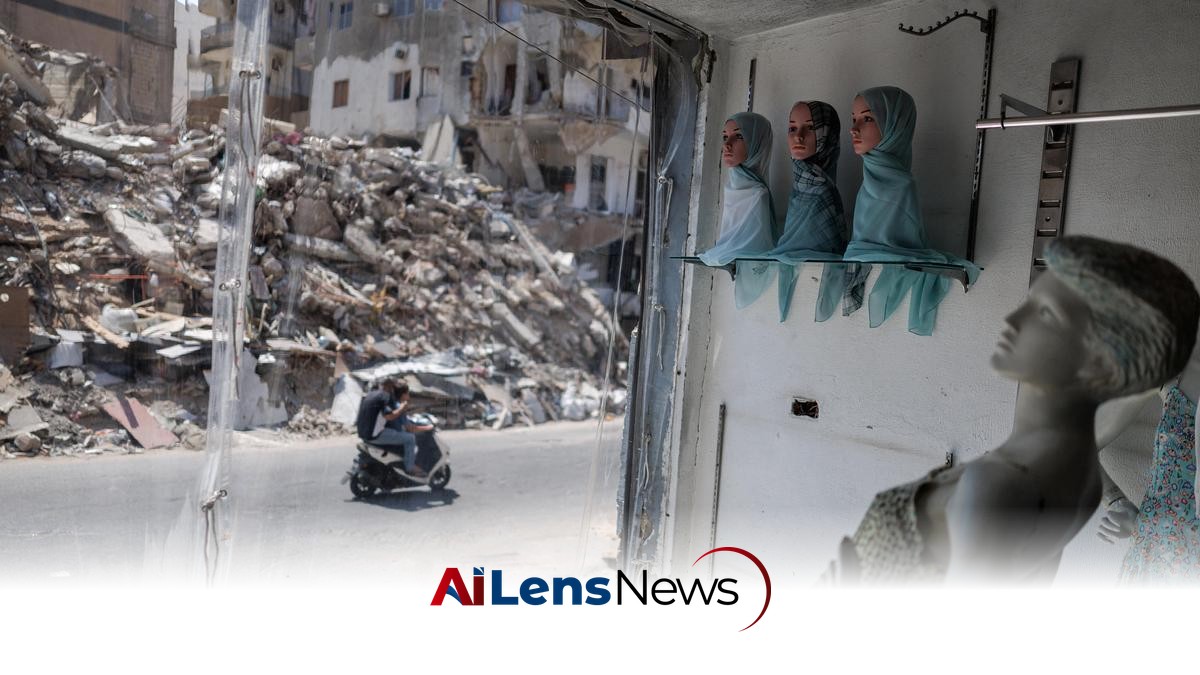


Amnesty International calls for investigations into Israeli airstrikes in Lebanon, deeming them potential war crimes against civilians.
Lebanon, Lebanon Jul 10, 2026 ALN: Amnesty International has made headlines with its recent accusations against Israel regarding its military operations in Lebanon during the ongoing conflict with Hezbollah. The organization alleges that Israeli airstrikes have resulted in the deaths of numerous civilians, including many children, and calls for these actions to be investigated as potential war crimes. This serious claim comes amid a backdrop of escalating tensions and violence in the region, highlighting the complex and often tragic nature of the Israeli-Palestinian conflict and its wider implications in West Asia.
The current hostilities were ignited on March 2, 2026, when Hezbollah launched a series of rockets into Israel, reportedly in support of Iran, its long-standing ally. This act of aggression was interpreted as a direct challenge to Israeli sovereignty and prompted an immediate and robust response from the Israeli military. In the ensuing days, Israel conducted extensive airstrikes and initiated a ground invasion, which Lebanese authorities claim has resulted in the deaths of over 4,300 individuals, including more than 250 children. These figures underscore the tragic toll that such conflicts can take on civilian populations, particularly in densely populated areas.
Amnesty International's investigation specifically focused on three airstrikes that occurred between March 6 and March 13, which resulted in the deaths of 24 civilians, half of whom were children. The organization characterized these strikes as indiscriminate and disproportionate, effectively accusing Israel of "wiping out families". Such language is indicative of the severe humanitarian concerns that arise during conflicts where military operations intersect with civilian life. The report asserts that these incidents warrant thorough investigation under international law, particularly the laws governing armed conflict.
In response to the allegations, the Israeli government has defended its military actions, asserting that many of the strikes were aimed at Hezbollah military objectives. Israeli authorities have indicated that some attacks are under review, emphasizing their commitment to minimizing civilian casualties. However, Amnesty's report indicates that despite inquiries, the Israeli military has not provided detailed information about the specific targets of the strikes in question. This lack of transparency raises concerns about accountability and the adherence to international humanitarian law, which mandates that combatants distinguish between military targets and civilian populations.
Kristine Beckerle, who serves as Amnesty's deputy regional director for the West Asia and North Africa, expressed grave concerns about the impact of the Israeli strikes on civilian lives. She stated that the rapid and devastating nature of the attacks demonstrates a troubling disregard for the safety of non-combatants. Beckerle's call for an immediate arms embargo on Israel reflects a broader sentiment among human rights advocates who argue for stronger international measures to prevent further civilian casualties in conflict zones.
The Israeli Defense Minister, Israel Katz, has countered these claims by asserting that the military operations are necessary responses to Hezbollah's provocations. Katz emphasized the need for Israel to maintain a strong military presence in the region to protect its northern communities from potential threats. His remarks highlight the ongoing security dilemmas faced by Israel, where the line between necessary defense and excessive force is often debated both domestically and internationally.
In the broader context of regional politics, the recent conflict comes on the heels of a U.S.-backed framework agreement aimed at establishing a permanent ceasefire between Lebanon and Israel. This framework was intended to pave the way for a resolution to longstanding hostilities, which have been exacerbated by external influences, particularly from Iran and the United States. The memorandum of understanding between these two powers sought to address the broader conflict in West Asia, yet the persistent violence in southern Lebanon complicates these diplomatic efforts.
Despite the ceasefire framework, Israel has continued to conduct airstrikes in southern Lebanon, suggesting that the underlying tensions remain unresolved. These strikes often target what Israel claims are Hezbollah positions, but they also risk further civilian casualties, thereby perpetuating a cycle of violence and retaliation. The international community is watching closely, as the implications of these actions extend beyond the immediate conflict, potentially affecting regional stability and international diplomatic relations.
The situation in Lebanon and Israel exemplifies the challenges of modern warfare, where the lines between combatants and civilians are increasingly blurred. The humanitarian impact of such conflicts is profound, with families torn apart and communities devastated by violence. As organizations like Amnesty International continue to advocate for accountability and justice, the need for comprehensive solutions that prioritize human rights and civilian safety becomes ever more urgent.
In conclusion, the accusations leveled by Amnesty International against Israel regarding its military operations in Lebanon raise significant questions about the conduct of war and the protection of civilians. As the international community grapples with these complex issues, the call for investigations into potential war crimes serves as a reminder of the urgent need for accountability in the face of ongoing violence. The hope remains that diplomatic efforts may eventually lead to a lasting peace, but until then, the humanitarian costs of the conflict continue to mount, underscoring the tragic realities of war in the region.
To understand the implications of these events, it is essential to consider the historical context of the Israeli-Lebanese conflict. The roots of the conflict trace back decades, with significant events including the Israeli invasion of Lebanon in 1982, the subsequent occupation of southern Lebanon, and the rise of Hezbollah as a militant group opposing Israeli presence. The complex interplay of local, regional, and international politics has perpetuated a cycle of violence, making peace elusive.
The involvement of external powers, particularly Iran and the United States, adds layers of complexity to the situation. Iran's support for Hezbollah is often viewed as part of its broader strategy to exert influence in the region, while the United States has historically backed Israel, leading to tensions with various Arab states. The geopolitical stakes are high, with regional stability hanging in the balance as various actors vie for power and influence.
Moreover, the humanitarian crisis resulting from the ongoing violence cannot be overstated. With thousands of casualties and widespread destruction, the need for humanitarian assistance is critical. Organizations on the ground face immense challenges in providing aid, as the security situation remains precarious. The plight of displaced families and the destruction of infrastructure further exacerbate the already dire conditions for civilians caught in the crossfire.
As the conflict continues to unfold, the international community's role becomes increasingly important. Diplomatic efforts aimed at de-escalation and conflict resolution must be prioritized to prevent further loss of life. The call for accountability, as emphasized by Amnesty International, is crucial not only for justice for victims but also for establishing norms that discourage future violations of international law.
In summary, the accusations against Israel by Amnesty International regarding its military operations in Lebanon highlight the urgent need for a comprehensive approach to conflict resolution. The interplay of historical grievances, regional politics, humanitarian crises, and international law underscores the complexity of the situation. As the watches, the hope for a peaceful resolution remains, but the path forward requires commitment from all parties involved to prioritize human rights and the protection of civilians in the region.
To learn more about the latest developments in Wars & Conflicts, stay updated with our exclusive reports and analyses on AiLensNews.

