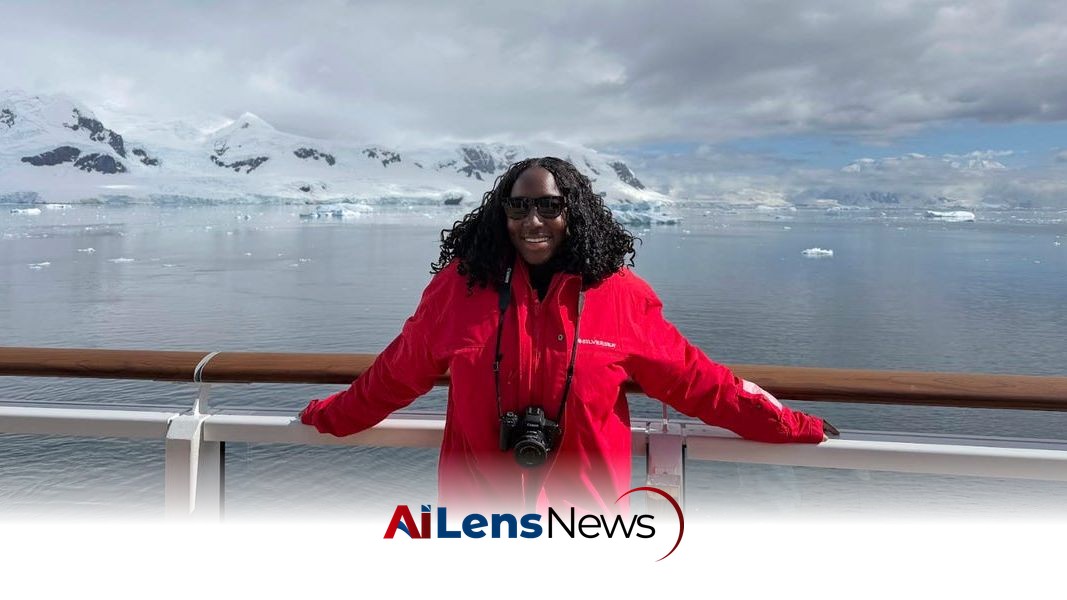


A solo traveler in her 30s discovers meaningful connections with older guests during a 12-day expedition cruise to Antarctica.
Washington DC, United States Jul 19, 2026 ALN: Travel has long been regarded as a powerful means of personal growth and cultural exchange, but the experience can vary widely depending on one's age, background, and travel style. For younger travelers, particularly those in their 20s and 30s, solo travel often comes with the expectation of connecting with peers who share similar life experiences. However, the story of one young traveler on an Antarctic expedition cruise illustrates how stepping outside of one’s comfort zone can lead to unexpected connections and valuable life lessons.
In January, this traveler embarked on a 12-day expedition cruise to Antarctica, a destination known for its breathtaking landscapes and unique wildlife. The anticipation of such a journey is often tinged with excitement, but it can also bring about anxiety, especially when one realizes they may be among the youngest passengers onboard. With approximately 200 guests on this particular cruise, the traveler quickly discovered that they were one of the few individuals in their 30s and, notably, the only solo traveler of their age. This realization initially led to apprehension about potential isolation during the trip.
However, this traveler’s experience took a positive turn as they navigated the social dynamics of the cruise. Contrary to expectations of loneliness, the traveler found themselves becoming a point of interest among the older guests, many of whom were retired and traveling in pairs or groups. The traveler’s status as a solo young adult not only made them visible but also sparked curiosity among fellow passengers, leading to unexpected invitations and connections. This phenomenon highlights a crucial aspect of travel: the ability to foster connections across generational lines.
The dynamics of age in travel can often dictate the types of interactions that occur. Younger travelers frequently seek out peers with whom they can relate, while older travelers may gravitate towards their contemporaries. However, the traveler’s experience demonstrates how breaking these typical patterns can lead to enriching exchanges. The cruise environment, with its shared activities and communal dining, provided ample opportunities for interaction, allowing the traveler to engage with older guests in meaningful ways.
On the first night, a couple noticed the traveler sitting alone and invited them to join their table. This simple act of kindness set the tone for the rest of the trip, as the traveler found themselves included in various social gatherings, from trivia contests to karaoke nights. Such activities not only fostered camaraderie but also created a space where stories could be shared and perspectives exchanged. The traveler was surprised to find that the conversations delved deeper than expected, covering topics such as life experiences, love, and global politics. This exchange of ideas across generations can be particularly enriching, as it allows individuals to gain insights from diverse life paths.
Beyond the social interactions, the traveler also benefited from professional mentorship provided by fellow guests. Many older travelers had extensive careers in various fields, including aviation, medicine, and technology. Their willingness to share insights and advice proved invaluable for the young traveler, who was looking to strengthen their own career in communications consultancy. This aspect of the cruise experience underscores the potential for travel to serve as a platform for professional networking and development.
During casual conversations over drinks, the traveler received practical tips on leveraging their background as a journalist to enhance their consultancy work. One guest provided guidance on client pricing strategies, while others offered encouragement and support. Such exchanges are not merely social niceties; they represent a form of mentorship that can profoundly impact a young professional's trajectory. The traveler left the cruise not only with newfound friendships but also with actionable insights that led to tangible results in their career shortly after returning home. This highlights the importance of being open to advice and learning from those with different experiences.
The journey to Antarctica was not solely about the stunning landscapes and wildlife encounters; it was also about personal transformation through connection. The traveler’s initial apprehension about being the youngest guest evolved into a sense of belonging and community. The opportunity to engage with older generations provided a fresh perspective on life and career aspirations, ultimately leading to a clearer vision for the future.
As the traveler reflected on their experience, they noted the significance of stepping outside their comfort zone. The friendships formed during the cruise transcended age, with many guests staying in touch through social media and email. One particularly meaningful connection was with a guest who lived nearby, leading to an invitation to a 70th birthday celebration. Such interactions illustrate the potential for travel to forge lasting relationships and create a sense of community among diverse individuals.
This traveler’s experience serves as a reminder of the value of intergenerational connections in travel. In an era where travel is often marketed towards specific age groups, it is essential to recognize the richness that comes from engaging with individuals from different backgrounds and life stages. The lessons learned during this Antarctic cruise can encourage younger travelers to seek out experiences that may initially seem daunting, such as traveling with older individuals or participating in group tours that attract a diverse demographic.
Furthermore, the insights gained from older generations can offer younger travelers a broader understanding of the world. In a society that often emphasizes youth culture, the stories and wisdom of those who have navigated various life challenges can provide invaluable guidance. As such, travelers should remain open to the potential for mentorship and connection, regardless of age differences.
In conclusion, the young traveler’s expedition to Antarctica exemplifies how unexpected connections can lead to personal growth, professional development, and fulfilling relationships. By embracing the opportunity to interact with older travelers, this individual not only enriched their own experience but also fostered a sense of community that transcended age. As travel continues to evolve, the importance of connection—both personal and professional—remains a vital aspect of the journey, reminding us that the world is best explored together.
To learn more about the latest developments in Destinations, stay updated with our exclusive reports and analyses on AiLensNews.

