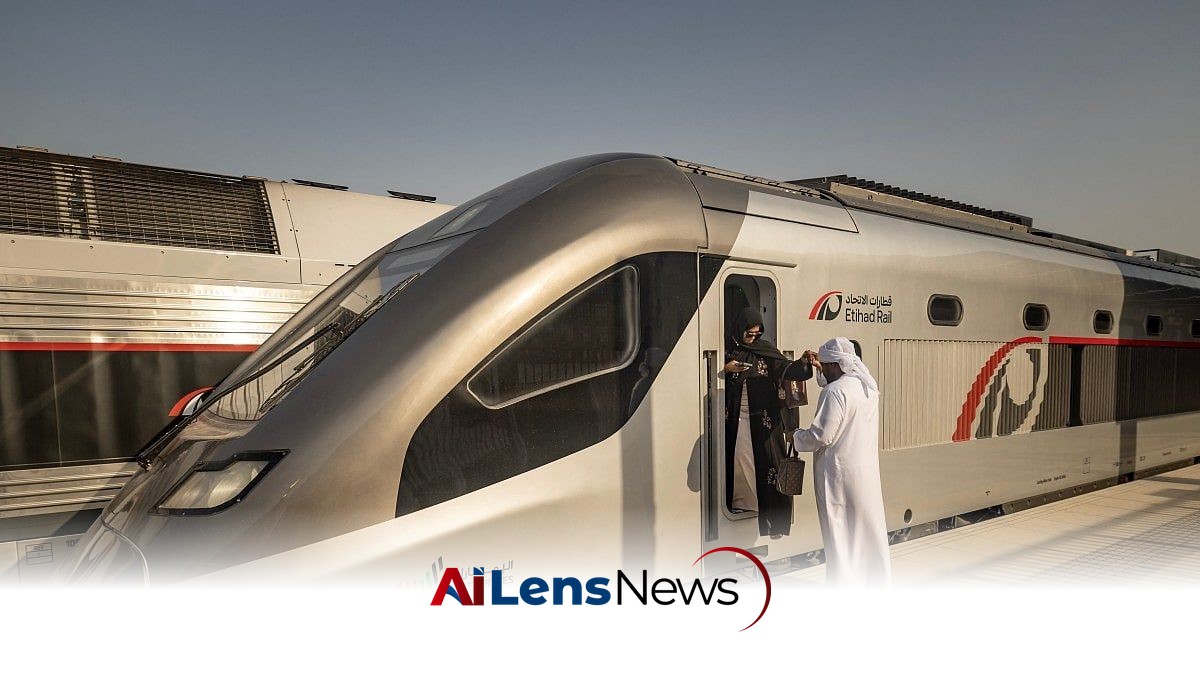


Discover the opening timeline for Etihad Rail's new stations in Dubai, Sharjah, and Al Dhafra, along with ticket prices and discounts.
Abu Dhabi, United Arab Emirates Jul 24, 2026 ALN: Etihad Rail, a transformative infrastructure project in the United Arab Emirates (UAE), is set to redefine the way people travel across the country. The launch of the UAE’s first passenger rail service marks a significant milestone in the nation’s ongoing efforts to enhance its transport infrastructure, providing a modern, efficient, and environmentally friendly alternative to road travel. This initiative is not only aimed at improving connectivity but also at bolstering tourism and economic growth within the region.
The project is part of the UAE’s broader vision to diversify its economy away from oil dependency, which has been a crucial goal for the nation, especially given the fluctuations in oil prices over the years. By investing in rail infrastructure, the UAE is signaling its commitment to developing a multi-modal transport system that can support various sectors of the economy. The Etihad Rail project is expected to play a pivotal role in this diversification strategy, as it will enhance the movement of people and goods across the country.
As part of this expansion, Etihad Rail has introduced several new passenger stations, strategically located to serve key urban centers and tourist destinations. This network aims to connect major cities such as Abu Dhabi, Dubai, and Sharjah, as well as other significant locations, thereby making travel more accessible for both residents and visitors. The rail service is expected to play a crucial role in easing traffic congestion on the roads, which has been a growing concern in the rapidly urbanizing UAE. The increasing population and the influx of tourists have placed immense pressure on the existing road infrastructure, leading to frequent traffic jams and longer commute times.
With the introduction of passenger services, Etihad Rail is also offering competitive pricing to encourage ridership. To mark this launch, introductory fares have been set at Dh55 in Comfort Class and Dh120 in Premium Class, which are approximately 50 percent lower than standard adult ticket prices. This pricing strategy is designed to make rail travel an attractive option for a broad demographic, including families, tourists, and daily commuters. The affordability of rail travel could significantly shift travel habits, encouraging more people to opt for trains over cars, thereby contributing to reduced carbon emissions.
In addition to the competitive pricing, Etihad Rail is providing several discounts aimed at making travel more affordable for specific groups. For instance, children aged two to 17 are eligible for a 50 percent discount on regular fares, making it easier for families to travel together. Similarly, senior citizens aged 60 and above can enjoy a 20 percent discount, acknowledging their contributions to society and encouraging them to explore the UAE via this new mode of transport. Furthermore, infants under the age of two can travel free of charge when accompanied by an adult, which is a substantial benefit for parents. These discounts are expected to enhance the attractiveness of the rail service to families and older adults, fostering a culture of public transport use.
Tickets for the Etihad Rail service can be conveniently purchased through the Etihad Rail mobile app or via the official Etihad Rail website. This digital approach not only streamlines the booking process but also allows passengers to view schedules, select seats, and manage their bookings with ease. Given the anticipated high demand for this new service, especially during weekends and public holidays, travelers are encouraged to book their tickets in advance to secure their preferred travel times. The integration of technology in the ticketing process reflects a broader trend in the transportation industry, where convenience and user experience are prioritized.
The introduction of passenger services is part of a broader vision outlined in the UAE’s National Rail Strategy, which aims to create a comprehensive rail network across the country. This strategy aligns with the UAE’s commitment to sustainable development and reducing its carbon footprint. By promoting rail travel, the UAE is taking significant steps towards a more sustainable transportation model, which is crucial in the context of global climate change concerns. Rail transport is generally considered more energy-efficient than road transport, and the shift towards this mode of travel is expected to contribute to the UAE’s goals of reducing greenhouse gas emissions.
Moreover, the Etihad Rail project is expected to have far-reaching economic implications. By improving connectivity between major cities and regions, it will facilitate trade and commerce, boost tourism, and create job opportunities within the transportation sector. The rail network is anticipated to attract investments in related industries, such as hospitality and retail, further contributing to the UAE’s economic diversification efforts. As the rail network expands, it could also lead to increased property values in areas surrounding the stations, stimulating local economies and encouraging development.
In addition to passenger services, the Etihad Rail network is also designed to accommodate freight services, which will enhance the efficiency of goods transportation across the UAE. This dual-purpose approach underscores the project’s significance in supporting both passenger mobility and economic activity, making it a cornerstone of the nation’s transport infrastructure. The freight component of the rail system is particularly important for the UAE’s logistics sector, as it will provide a reliable and efficient means of transporting goods between industrial areas and consumer markets.
As the project moves forward, it will be essential for stakeholders to monitor its impact on travel patterns and regional development. The success of the Etihad Rail service will depend on continuous improvements in service quality, customer experience, and operational efficiency. Public feedback will play a crucial role in shaping future enhancements to the service, ensuring that it meets the needs and expectations of its users. Regular assessments and adjustments based on user input will be vital for maintaining high ridership levels and ensuring the long-term viability of the rail service.
In summary, the launch of the Etihad Rail passenger service is a landmark development for the UAE, promising to revolutionize travel within the country. With competitive pricing, various discounts for specific demographics, and a commitment to sustainability, Etihad Rail is poised to become a vital component of the UAE’s transportation landscape. As the service rolls out, it will not only provide a modern travel option but also contribute to the broader goals of economic growth and environmental stewardship in the region. The successful implementation of this project could serve as a model for other countries in the region, showcasing the benefits of investing in sustainable transport infrastructure.
To learn more about the latest developments in Destinations, stay updated with our exclusive reports and analyses on AiLensNews.

