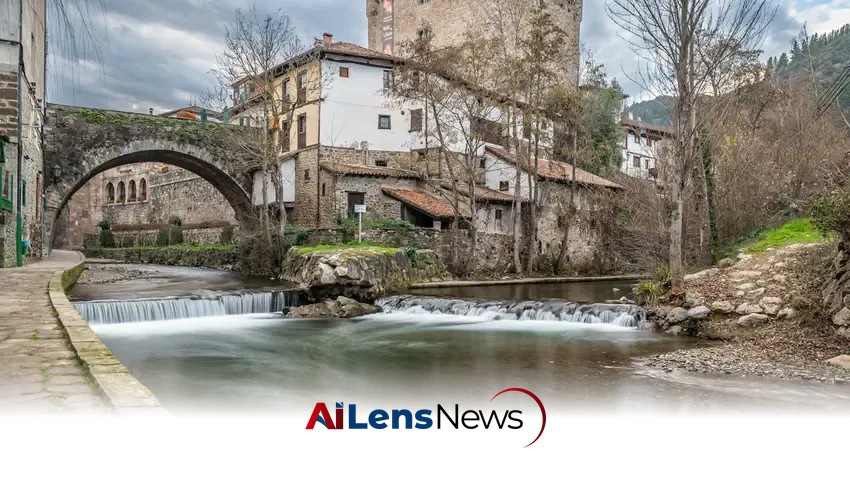


Discover charming, lesser-known villages in rural Spain that offer a peaceful lifestyle away from the crowds. Explore the beauty of 'Empty Spain' and consider making it your new home.
London, United Kingdom Jul 12, 2026 ALN: Parts of Spain may be overcrowded with housing deficiencies and overtourism, but there are still many places in the country that are peaceful and tranquil whose locals warmly welcome new residents and visitors. These underpopulated areas, often referred to as 'Empty Spain' or La España Vaciada, represent a significant portion of the country that remains largely undiscovered and underappreciated. This phenomenon is characterized by a decline in population, resulting in many villages and towns being sparsely inhabited, yet rich in cultural heritage and natural beauty.
The term 'Empty Spain' highlights the stark contrast between bustling urban centers like Barcelona and Madrid, which are often overwhelmed with tourists and residents alike, and the serene landscapes of rural Spain. To give you some idea, 79 percent of Spain's municipalities are home to just 10.4 percent of the Spanish population. This demographic trend has been exacerbated by urban migration, where younger generations move to cities in search of better job opportunities, leaving behind aging populations in rural areas.
How to Find Spanish Villages That Want Foreigners to Move There
If you’re considering a move to an underpopulated region of Spain or want a holiday without the hordes of other tourists, then there are plenty of places to choose from with charming architecture, natural wonders, and unique culture. These villages are not only some of the quietest in Spain, but are some of the most beautiful too. The appeal of these hidden gems lies in their slower pace of life, strong community ties, and the opportunity to immerse oneself in a more traditional Spanish lifestyle.
Potes sits at the point where four valleys, as well as the Deva and Quiviesa rivers converge, just on the edge of the grand Picos de Europa Natural Park. This picturesque village is often referred to as the town of bridges and towers, due to its distinct architectural heritage. Colorful houses with charming wooden balconies line the riverbanks, creating a postcard-perfect scene. Potes was named Rural Tourism Capital in 2020, a testament to its burgeoning appeal to visitors seeking an authentic experience away from the more commercialized tourist spots. Don’t forget to sample some of the famous cocido lebaniego while you’re there – a thick and hearty stew that embodies the culinary traditions of the region.
La Alberca is located in the province of Salamanca in the western part of the country, bordering Portugal. This village is steeped in history, having been influenced by Christians, Arabs, and Jews, which is reflected in its winding cobbled streets and unique architecture made from granite with large wooden beams, often decorated with colorful flowers. It was the first town in Spain to be declared a Historic-Artistic Site in 1940, and in 1949, it became the first town in Spain to be designated a National Historical Monument too. La Alberca's rich cultural tapestry and historical significance make it an ideal destination for those interested in exploring the roots of Spanish heritage.
An enchanting village set in the forest in the province of La Coruña, Ponte Maceira is named after its famous Romanesque stone bridge which straddles it. Lying along the Tambre River, quaint farmhouses line its banks, offering a glimpse into the rural lifestyle that has persisted for generations. Today, it has little more than 60 inhabitants, but that only adds to its charm. Besides the bridge, one of its best sites is the 14th-century Pazo do Cotón, a historic mansion, which includes the Chapel of San Mauro. The tranquil surroundings and the sound of the river create an idyllic setting for those looking to escape the chaos of city life.
Located in the province of Teruel, Valderrobres is part of the Matarraña region, which has been dubbed ‘the Tuscany of Spain’ for its stunning landscapes and historical significance. The village is named after the Matarraña River – a delightful hiking spot winding its way through rocks and past medieval and renaissance villages. Valderrobres itself is crowned by a grand castle, connected to the Gothic church of Santa María la Mayor. The village is also home to several palatial mansions, which can be reached via a graceful stone bridge. The combination of history, architecture, and natural beauty makes Valderrobres a compelling choice for those seeking a quieter lifestyle.
Situated within the province of Zamora, Puebla de Sanabria lies minutes from the border of northern Portugal. Sitting at the confluence of the Tera and Castro rivers, it has been a strategic point for centuries and was the site of many battles. Today it’s been named a Historic-Artistic Site, as well as one of the most beautiful villages in Spain. Honey-colored stone architecture surrounds a 15th-century medieval fortress with a huge central keep and a drawbridge, offering a glimpse into the past. Coming here is like stepping back in time, where the echoes of history resonate through the cobblestone streets and ancient walls.
Just northeast of the historic Extremaduran city of Cáceres sits the area of La Vera, right on the edge of the Sierra de Gredos Natural Park. This region is characterized by its lush chestnut and oak trees, alongside verdant meadows and picturesque villages home to traditional houses made of wood and stone. La Vera is filled with gorges, springs, and natural pools, making it a scenic hiking spot perfect for taking dips in the hot summers. One of the most interesting sites here is the Monasterio de San Jerónimo de Yuste, which was founded in the 1400s and is the final resting place of Emperor Charles V. The area is also famous for its paprika, and you’ll often see peppers hanging from balconies to dry, a testament to the local culinary traditions.
These hidden gems in 'Empty Spain' not only offer tranquility but also a unique lifestyle that many are beginning to discover. The allure of these villages lies not only in their scenic beauty and rich history but also in the opportunity for a more sustainable way of living. With the rise of remote work and the search for a better quality of life, these regions are becoming increasingly attractive to those looking to escape the fast-paced urban environments. Whether for a holiday or a permanent move, these villages provide a glimpse into a different way of life, rich in culture and natural beauty.
Moreover, the movement towards revitalizing these underpopulated areas has gained traction in recent years, with various initiatives aimed at attracting new residents. Local governments and organizations are often eager to welcome newcomers, offering incentives such as subsidies for housing or support for starting businesses. This is not only beneficial for the newcomers but also for the local communities, as it can help to reverse the trend of depopulation and invigorate the local economy.
As more people discover the charm of 'Empty Spain', the implications for these communities could be profound. The influx of new residents can lead to a rejuvenation of local culture, the preservation of historical sites, and the revitalization of traditional crafts and trades. However, it is essential to approach this transition thoughtfully, ensuring that the unique character of these villages is maintained and that the needs of both new and existing residents are balanced.
To learn more about the latest developments in Destinations, stay updated with our exclusive reports and analyses on AiLensNews.

