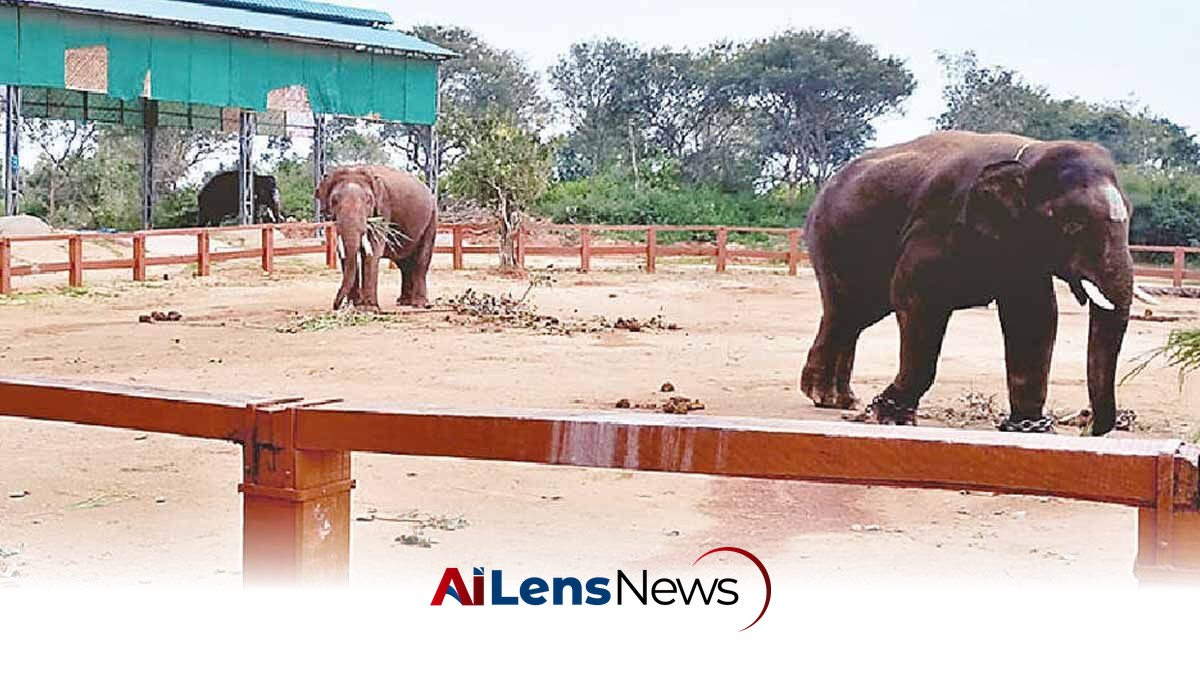


The Musalimadugu camp near Palamaner is set to open its doors to tourists, showcasing trained kumki elephants as part of eco-tourism efforts.
New Delhi, India May 25, 2026 ALN: Tirupati: Visitors may soon get an opportunity to witness trained kumki elephants in action at Musalimadugu camp near Palamaner, with the Forest department preparing to open the facility to tourists as part of its eco-tourism and wildlife awareness initiatives. The camp, regarded as the State’s first dedicated kumki elephant centre, has been playing a key role in tackling the growing human-elephant conflict in Chittoor district.
Located near Koundinya Wildlife Sanctuary along the Andhra Pradesh-Karnataka border, the camp was established to manage the frequent movement of wild elephant herds into villages and agricultural fields. This area has seen a significant increase in elephant activity, which has been attributed to various factors, including habitat loss and fragmentation, as well as the encroachment of human settlements into traditional elephant corridors. Forest officials said preparations are underway to allow controlled public access within the next one to two months after the creation of basic visitor infrastructure.
The State government had brought four trained kumki elephants from Karnataka in May 2025 under an agreement between the two States. Kumki elephants are traditionally trained to assist in managing wild elephants, and their role is crucial in mitigating conflicts between humans and elephants. Two local elephants were later inducted into the camp, increasing the total number to six. Deputy Chief Minister and Forest Minister Pawan Kalyan inaugurated the camp earlier this year, marking a significant milestone in the conservation efforts in the region.
According to the Forest department, the trained elephants are being used under ‘Operation Kumki’ to drive wild elephant herds away from farmlands and residential areas and guide them back into forest zones. This operation is vital, as elephant incursions between 2020 and 2025 led to 23 human deaths, destruction of nearly 4,000 acres of crops, and the death of 34 cattle in Chittoor district. These statistics highlight the urgent need for effective management strategies to protect both human lives and agricultural interests while ensuring the safety of elephants.
Experienced mahouts from Karnataka were engaged to train the elephants in coordinated movement and response techniques. Mahouts play a crucial role in the training and management of kumki elephants, as they develop a bond with the animals and understand their behavior. Forest authorities said kumki elephants had recently helped divert a herd of wild elephants away from mango orchards near Mogili and push them back into nearby forest areas, demonstrating the effectiveness of this approach in reducing human-elephant conflict.
To support tourism activities, the department has initiated works including construction of toilets, drinking water facilities, internal roads, children’s play zones, and a small canteen at the camp premises. These facilities are designed to enhance the visitor experience and ensure that the camp can accommodate tourists comfortably. A proposal has also been prepared to develop a Nagaravanam opposite the camp at an estimated cost of Rs 2 crore. Nagaravanam, or urban forests, are essential for promoting biodiversity and providing recreational spaces for the community, thus aligning with broader environmental objectives.
Speaking to The Hans India, Chittoor District Forest Officer G Subburaju said the department is considering regulated public entry to create awareness about elephant conservation and the functioning of kumki camps. This initiative aims to educate visitors on the importance of elephants in the ecosystem and the challenges they face due to human activities. Visitors are likely to be permitted for one-hour sessions during morning and evening hours each day, allowing them to observe the trained elephants and learn about their role in conservation efforts.
The department has proposed an entry fee of Rs 50 for adults and Rs 30 for children. This nominal fee is intended to cover maintenance costs and contribute to the sustainability of the camp. The elephants are being housed in specially developed enclosures with veterinary care, feeding facilities, and bathing areas, while mahouts and caretakers remain stationed round the clock to monitor their well-being and ensure safety at the camp. The presence of trained personnel is crucial for the health of the elephants and the safety of visitors, as it ensures that the animals are cared for in a manner that respects their natural behaviors and needs.
The establishment of the kumki elephant camp is part of a broader strategy to foster coexistence between humans and wildlife in Andhra Pradesh. As urbanization and agricultural expansion continue to encroach upon natural habitats, initiatives like these are essential for mitigating conflicts and promoting conservation. The camp not only serves as a sanctuary for the elephants but also as an educational platform for the local community and visitors, emphasizing the need for responsible wildlife management.
In addition, the camp's opening to tourists is expected to have economic implications for the local community. Eco-tourism can generate income and create job opportunities, particularly in areas such as hospitality, guiding services, and conservation education. By attracting visitors, the camp can also raise awareness about the importance of wildlife conservation and the need to protect elephants, which are often seen as symbols of cultural heritage in India.
Overall, the Musalimadugu kumki elephant camp represents a significant step forward in addressing the challenges posed by human-elephant conflicts while promoting conservation and eco-tourism. As the preparations for public access continue, it will be crucial for the Forest department to implement effective management practices that ensure the safety and well-being of both the elephants and the visitors. Through education and awareness, the camp has the potential to foster a deeper understanding of the ecological role of elephants and the need for sustainable coexistence between wildlife and human populations.
To learn more about the latest developments in Cultural Tourism, stay updated with our exclusive reports and analyses on AiLensNews.

