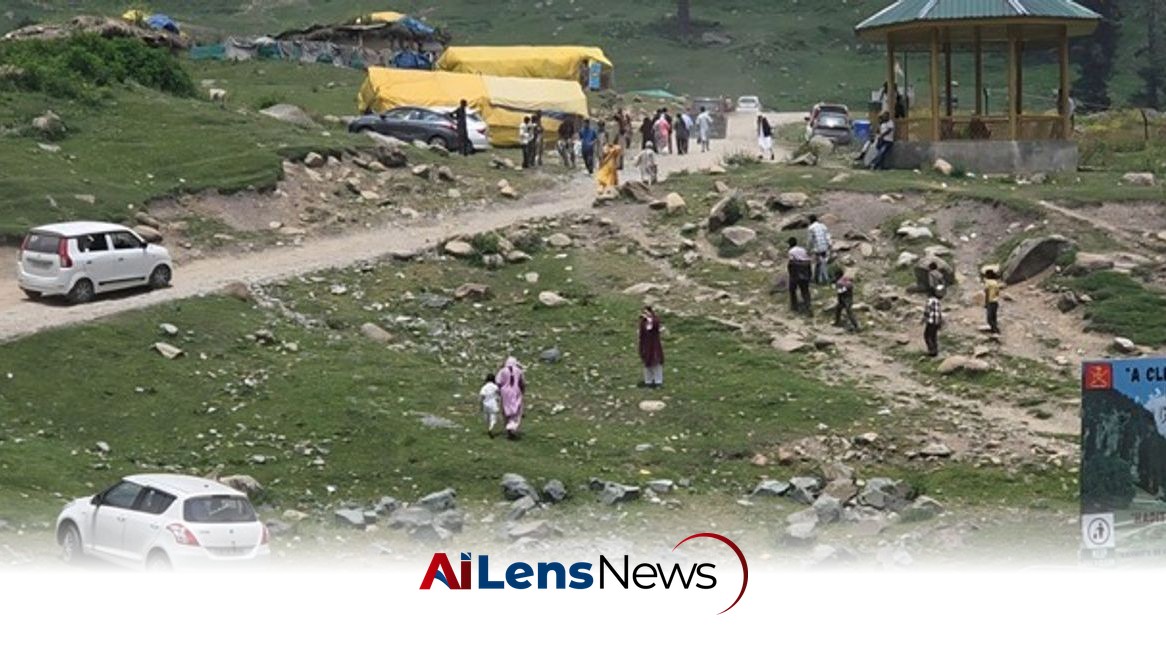


The rise in visitors to Dubjan and Peer Ki Gali has prompted calls for better facilities, with tourists expressing concerns over safety and basic amenities.
New Delhi, India Jul 19, 2026 ALN: Tourist footfall at the scenic destinations of Dubjan and Peer Ki Gali along the historic Mughal Road has witnessed a sharp rise this year, with thousands of visitors from across the country and different parts of Jammu and Kashmir flocking to the picturesque locations. These areas, known for their breathtaking landscapes and rich cultural heritage, have become increasingly popular among both domestic and international tourists, drawing attention to the need for improved infrastructure to enhance the visitor experience.
The Mughal Road, which historically served as a vital trade route between the Kashmir Valley and the plains of India, has long been a significant part of the region's cultural and economic landscape. It is dotted with various historical sites and natural wonders, making it a focal point for tourism in Jammu and Kashmir. Dubjan and Peer Ki Gali, in particular, offer stunning views of the surrounding mountains and lush meadows, attracting nature enthusiasts, adventure seekers, and families alike. The area's elevation and climate make it an ideal retreat during the hot summer months, further contributing to its growing popularity.
Locals attributed the growing popularity of the destinations to the Winter Carnivals organized by the district administration in 2025 and 2026, which helped showcase Dubjan's tourism potential. These carnivals featured a range of activities, including cultural performances, local handicrafts exhibitions, and winter sports, which not only entertained visitors but also highlighted the rich traditions and vibrant culture of the region. Since then, visitor numbers have increased significantly during both the winter and summer seasons, demonstrating the effectiveness of such initiatives in promoting local tourism.
Tourists praised the area's lush meadows, cool weather, and serene surroundings but expressed concern over the lack of basic infrastructure. They pointed to the absence of public toilets, dustbins, mobile connectivity, and proper waste management facilities, saying these shortcomings affect the overall visitor experience. The influx of tourists without corresponding infrastructure improvements has led to increased litter and waste, detracting from the natural beauty of the area and raising environmental concerns. Visitors have noted that while the natural landscapes are breathtaking, the lack of amenities diminishes the overall enjoyment of their stay.
A newly married couple from Rajasthan, who also visited Gulmarg, Pahalgam, and Srinagar, described Dubjan as one of the most beautiful destinations in Kashmir but urged the government to develop essential tourist facilities. Their experience highlights a common sentiment among tourists who appreciate the natural beauty of the region but feel that inadequate facilities hinder their experience. The couple, like many others, hopes that the government will prioritize infrastructure development to ensure that the area can accommodate the growing number of visitors comfortably.
Safety has also emerged as a major concern, particularly near the stream adjoining the Dubjan bridge, where tourists frequently gather. Earlier this year, a three-year-old boy drowned after slipping into the stream, prompting fresh calls for protective railings and other safety measures. This tragic incident has raised alarms about the need for better safety protocols in tourist areas, especially those with natural water bodies that can pose risks to children and families. The local community has been vocal about the need for immediate action to prevent such incidents in the future.
Social activist Mitha Gatto urged the administration to install permanent safety barriers around the bridge, emphasizing that proactive measures are essential to protect visitors. Gatto's call to action reflects a broader concern among residents and visitors alike regarding the safety of public spaces in tourist areas. Meanwhile, Wildlife Department employee Zubair Ahmad Punoo appealed to visitors, especially families with children, to exercise caution near the fast-flowing stream, highlighting the importance of public awareness in promoting safety.
Responding to the concerns, Chief Executive Officer of the Shopian-Dubjan-Peer Ki Gali Development Authority, Mohammad Rouf, acknowledged the challenges posed by the area's natural landscape and regulatory frameworks. He stated that development works are constrained as much of the area falls under the Forest and Wildlife Departments, which limits the type of infrastructure that can be developed. This regulatory environment is crucial for preserving the ecological integrity of the area but also presents challenges for meeting the needs of an increasing number of tourists.
Rouf emphasized that the authority is coordinating with the concerned departments to provide essential facilities, including toilets and other public amenities. This collaboration is essential to ensure that any developments are in line with environmental regulations while also addressing the immediate needs of visitors. Rouf also mentioned that a proposal has been submitted to the government for the construction of a Tourist Reception Centre (TRC) at Peer Ki Gali to cater to visitors from both the Shopian and Rajouri sides of the Mughal Road. This proposed TRC could serve as a central hub for information and services, helping to streamline the tourist experience and provide necessary amenities.
As tourism continues to grow in Jammu and Kashmir, the need for sustainable development becomes increasingly important. Balancing the influx of visitors with the preservation of natural and cultural resources is a challenge that local authorities must navigate carefully. Improved infrastructure not only enhances the visitor experience but also supports the local economy by encouraging longer stays and repeat visits. Moreover, investing in safety measures and facilities can help build a positive reputation for the region, attracting even more tourists in the future.
In conclusion, the rising tourist footfall at Dubjan and Peer Ki Gali underscores the potential of these destinations as key players in the region's tourism landscape. However, without significant improvements to infrastructure and safety measures, the sustainability of this growth may be at risk. The collaboration between local authorities, environmental agencies, and the community will be vital in ensuring that these beautiful locations can be enjoyed by future generations while maintaining their natural charm and ecological integrity.
To learn more about the latest developments in Destinations, stay updated with our exclusive reports and analyses on AiLensNews.

