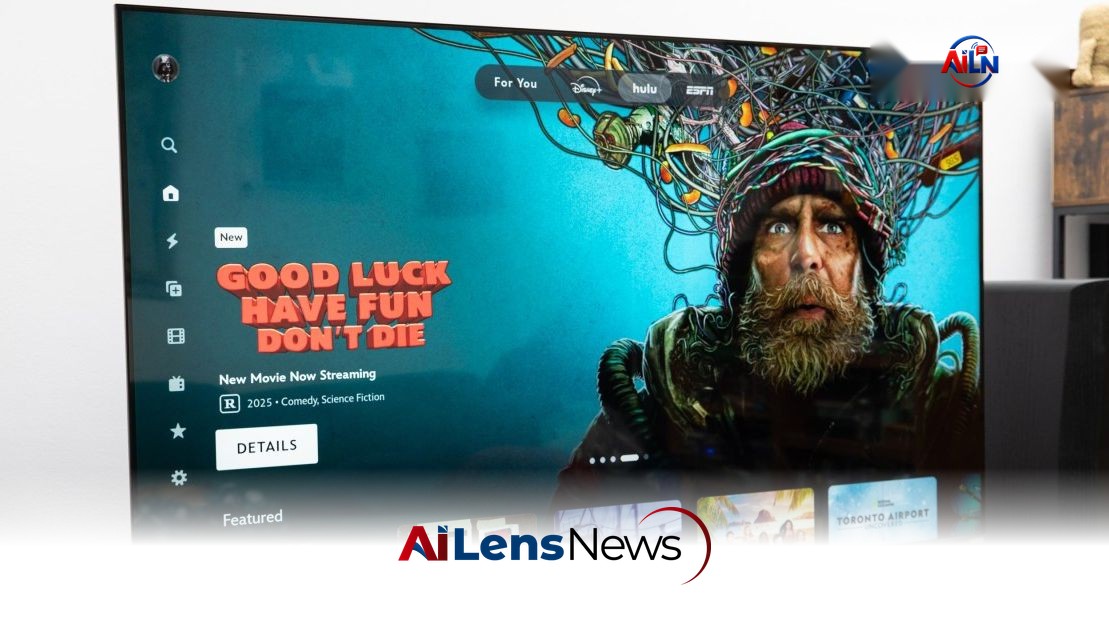


Vizio's 65-inch Mini LED Quantum TV offers impressive features at a budget price, but its data collection practices raise concerns for users.
New Delhi, India Jul 5, 2026 ALN: When I first started testing Vizio’s 65-inch Mini LED Quantum TV, I thought the big story was that Vizio was back and that it had a quantum-dot TV for under $398 — the cheapest on the market. Vizio has been relatively quiet since its acquisition by Walmart in 2024, so releasing a TV with quantum dots, which allow for higher brightness levels and more accurate color, at a budget price seemed like a strong comeback. The company has historically been known for delivering value-oriented products, and this release appears to align with that legacy, signaling a potential resurgence in a competitive market.
Vizio's journey in the television industry has been marked by innovation and value. Founded in 2002, the company quickly gained a reputation for producing high-quality TVs at competitive prices, appealing to budget-conscious consumers. However, the competitive landscape of the television market has changed dramatically over the years, with the rise of smart TVs becoming the industry standard. This shift has put pressure on traditional TV manufacturers to adapt to consumer preferences for smart features, such as built-in streaming services and internet connectivity.
However, that’s not the main story. While the price and nology are intriguing, the big news about the Mini LED Quantum TV is that Vizio accidentally made the best dumb TV on the market. The term "dumb TV" generally refers to televisions that lack smart features, such as built-in streaming apps and internet connectivity. In an era where smart TVs dominate, the Vizio Mini LED Quantum offers a refreshing alternative for consumers who may be wary of privacy concerns or simply prefer a straightforward viewing experience.
The concept of a "dumb TV" is particularly relevant in today's digital age, where consumers are increasingly concerned about data privacy and the implications of smart nology. Many users have become disillusioned with the invasive data collection practices prevalent among smart devices, leading to a resurgence in interest for simpler, more traditional televisions. The Vizio Mini LED Quantum provides an opportunity for consumers to enjoy high-quality viewing without the added complexities and potential privacy risks associated with smart nology.
Walmart purchased Vizio primarily for its advertising business. Since Vizio’s ad division was responsible for all of its profits at the time of the sale, maintaining that ad revenue is likely the priority. Consequently, Vizio’s TV OS serves as a vehicle for this goal. The acquisition has raised questions about how the company's focus might shift, particularly in terms of its product offerings and customer experience.
To access some features on a Vizio TV, you now need a Walmart account, and you cannot use any streaming apps on the Vizio Mini LED Quantum without agreeing to its activity data policy, which allows Walmart to collect all your usage data. This is frustrating but not uncommon; many smart TVs collect data on viewing habits to serve targeted recommendations and ads. However, the extent of data collection and the requirement for a Walmart account may deter some users who prioritize their privacy and seek alternatives that offer a more traditional television experience.
The acquisition by Walmart has not only influenced Vizio's business model but has also raised concerns among consumers regarding how their data is being used. In an era where data privacy is a significant concern, the requirement for a Walmart account and the associated data collection practices could deter potential buyers who are wary of their information being sold or used for targeted advertising. This shift in focus from a consumer-centric approach to a more profit-driven model could have long-term implications for Vizio's reputation and customer loyalty.
Vizio Mini LED Quantum specs:
These specifications highlight the TV's capabilities, particularly in terms of picture quality and audio performance. The inclusion of advanced HDR formats like Dolby Vision and HDR10+ indicates that Vizio is aiming to cater to a wide range of viewing preferences, ensuring that consumers can enjoy a cinematic experience at home. Additionally, the gaming features, such as support for 4K resolution and high refresh rates, position the Mini LED Quantum as a viable option for gamers who demand high performance from their displays.
Despite the data collection concerns, it is possible to bypass the Vizio OS entirely. By adding an external streaming device and setting the Vizio to power on to the last used input, users can avoid the OS. This workaround allows consumers to enjoy a smart viewing experience without directly engaging with the Vizio interface. However, even with an external device, Vizio and Walmart will still collect data on what you’re watching through the HDMI port, raising questions about the extent of user privacy even when attempting to circumvent the built-in OS.
During setup, the TV prompts you to sign in to or create a Walmart account. If you choose to skip this step, you will be warned that you will not be able to manage payments and subscriptions or link your Vizio devices. After agreeing to Vizio’s terms of service and privacy policy, you’re asked to accept the activity data policy to enable the TV’s smart features. Declining this option allows you to use the Vizio as a traditional TV, with no OS and three HDMI ports awaiting a signal. This flexibility is a significant selling point for users who prefer a more conventional approach to television viewing.
This ability to bypass the smart features can be particularly appealing to users who are concerned about data privacy but still want to enjoy high-quality viewing experiences. By using an external streaming device, consumers can maintain greater control over their viewing habits and limit the amount of data collected by Vizio and Walmart. However, this workaround may not be a perfect solution, as it still leaves room for data collection through the HDMI ports.
For a $400 dumb TV — or even a $400 smart TV — the 65-inch Vizio Mini LED Quantum performs remarkably well. I watched multiple World Cup matches using my OTA antenna and my regular collection of shows through my Apple TV, and they all looked satisfactory. The picture modes, Calibrated and Calibrated Dark, are the most accurate, although both lean slightly toward blue, giving everything a cool cast. Overall, the picture quality is commendable, especially for budget-conscious consumers.
With SDR, the TV reaches a maximum brightness of 309 nits, while HDR can peak at 579 nits with small highlights. The Calibrated mode reaches an impressive 936 nits, making it suitable for bright environments. However, the screen is glossy, which can lead to distracting reflections, especially during dark scenes. This is a common issue with many TVs in this price range, and potential buyers should consider their viewing environment when making a purchase decision.
The performance of the Vizio Mini LED Quantum in terms of picture quality is a testament to the advancements in display nology. Mini LED nology allows for finer control of the backlighting, resulting in enhanced contrast and improved brightness levels. This is particularly beneficial for HDR content, where the ability to display a wider range of colors and brightness levels can significantly enhance the viewing experience. However, potential buyers should be aware of the reflective nature of the screen, which could impact viewing in brightly lit rooms.
In summary, the Vizio Mini LED Quantum TV offers excellent value for its price. While there are some drawbacks, such as data collection practices and minor picture quality issues, it remains a compelling choice for those looking for a budget-friendly television option. Its ability to function as a "dumb TV" makes it particularly appealing to consumers who may be wary of smart nology or simply prefer a more traditional viewing experience. As the television market continues to evolve, Vizio's latest offering may represent a significant shift in consumer preferences, emphasizing the importance of balancing nology with user privacy and simplicity.
The Vizio Mini LED Quantum highlights the ongoing tension between nological innovation and consumer privacy. As manufacturers continue to integrate smart features into their products, the demand for privacy-conscious alternatives is likely to grow. Vizio's approach may resonate with consumers who are seeking high-quality viewing experiences without the complexities and potential privacy risks associated with smart TVs. This trend could influence how other manufacturers approach their product offerings in the future, potentially leading to a broader range of options for consumers in the market.
To learn more about the latest developments in Gadgets & Devices, stay updated with our exclusive reports and analyses on AiLensNews.

