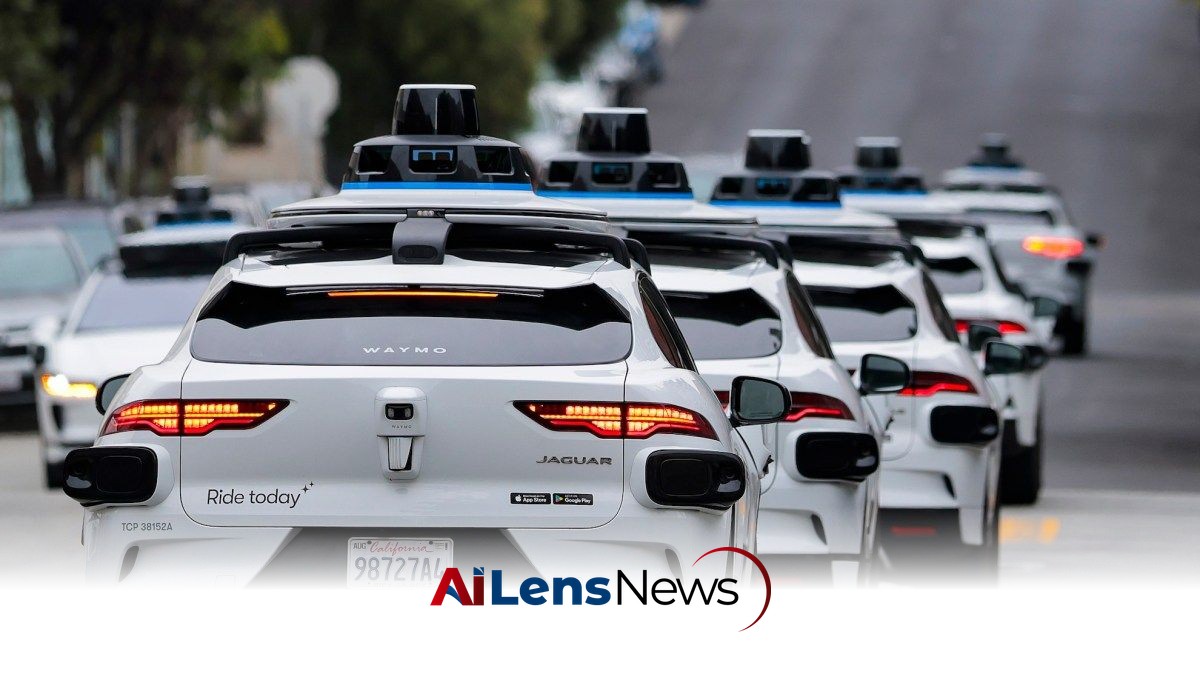


Waymo's robotaxi service in San Francisco has resumed following a temporary pause due to a power outage affecting thousands of customers.
Washington DC, United States Jul 19, 2026 ALN: Waymo has announced that its robotaxi service in San Francisco has resumed after making "temporary adjustments" in response to a power outage impacting approximately 7,000 PG&E customers in the area.
According to a screenshot shared on social media, Waymo informed its San Francisco customers that service was "temporarily paused" and that "freeway routes are unavailable." This pause was part of the company's effort to ensure safety and reliability during the outage.
When contacted for further details, a spokesperson for Waymo stated, "We are making temporary adjustments to our service while we monitor local conditions. We know riders depend on us, and we will return to normal operations as soon as possible." This statement reflects the company's commitment to maintaining service quality even during unforeseen circumstances.
Following the initial report, Waymo clarified that the decision to pause service lasted approximately one hour. This was done to assess the extent of the power outage affecting a significant portion of San Francisco and to coordinate with local officials for a safe resumption of operations.
Power outages have previously disrupted Waymo's services. Notably, in December, several Waymo vehicles stalled on city streets during a blackout, and a similar incident occurred during a fireworks display on the Fourth of July, which paralyzed traffic. These incidents underscore the challenges that autonomous vehicle operators face when unexpected power disruptions occur, particularly in densely populated urban areas like San Francisco.
The implications of such outages extend beyond mere inconvenience for riders. Autonomous vehicles rely heavily on a stable power supply for their operations, including navigation systems, sensors, and communication with traffic management systems. When power is lost, it can create a cascading effect that not only halts the robotaxi service but also poses safety risks on the roads, as vehicles may not be able to respond to changing conditions or communicate effectively with other road users.
In light of these recurring issues, San Francisco Mayor Daniel Lurie has called for stricter state regulations to ensure that autonomous vehicles can operate safely during major incidents, whether planned or unplanned. This highlights the ongoing challenges faced by companies like Waymo in integrating autonomous technology into urban environments. The mayor's comments suggest a growing recognition of the need for a regulatory framework that addresses the unique challenges posed by autonomous vehicles, particularly in relation to public safety and infrastructure resilience.
The conversation around regulations is not new. As cities around the world grapple with the integration of autonomous vehicles into their transportation systems, policymakers are increasingly focused on establishing guidelines that ensure the safe operation of these technologies. This includes considerations for emergency situations, where traditional traffic management systems may be disrupted. The recent power outage in San Francisco serves as a case study for the potential vulnerabilities of autonomous vehicle operations during such events.
Furthermore, the relationship between utility companies and autonomous vehicle operators is becoming increasingly important. As seen in this incident, the impact of a power outage can ripple through various sectors, affecting not just the immediate service of robotaxis but also the broader transportation ecosystem. Collaboration between utility providers and autonomous vehicle companies may be necessary to develop contingency plans that can mitigate the effects of future outages.
Waymo, a subsidiary of Alphabet Inc., has been at the forefront of autonomous vehicle technology, operating its robotaxi service in San Francisco since 2018. The company has invested heavily in developing a fleet of self-driving cars equipped with advanced sensors and artificial intelligence systems designed to navigate complex urban environments. However, as the technology matures, so too do the challenges associated with its deployment. Ensuring reliability and safety during unexpected events is paramount, not only for the company’s reputation but also for public acceptance of autonomous vehicles.
The recent service disruption may also have implications for the broader autonomous vehicle market. As cities consider the rollout of self-driving technology, incidents like these can influence public perception and regulatory decisions. If autonomous vehicles are perceived as unreliable during critical situations, it could hinder their adoption and integration into public transportation systems. Therefore, companies like Waymo must not only focus on technological advancements but also on demonstrating their ability to operate safely and effectively in varied conditions.
As the landscape of urban mobility continues to evolve, the interplay between technology, regulation, and public safety will be crucial in shaping the future of transportation. The incident in San Francisco serves as a reminder of the complexities involved in transitioning to a more automated transportation system and the need for ongoing dialogue between stakeholders to address these challenges effectively.
In conclusion, while Waymo has successfully resumed its robotaxi service following the power outage, the incident highlights the vulnerabilities that exist within the current framework of autonomous vehicle operations. As the industry continues to grow, addressing these challenges will be essential for ensuring the safe and reliable integration of autonomous vehicles into everyday life.
This post has been updated with additional comments from Waymo confirming that service has resumed.
The recent power outage and subsequent service interruption experienced by Waymo's robotaxi service in San Francisco raises significant questions about the resilience of autonomous vehicle technology in the face of infrastructure failures. As cities worldwide increasingly rely on advanced technologies to enhance urban mobility, the importance of robust systems that can withstand unexpected disruptions becomes paramount. The need for comprehensive risk assessments and contingency planning is clear, as is the necessity for collaboration between technology providers, utility companies, and government entities to create a more resilient urban infrastructure.
Moreover, the incident serves as a reminder of the critical role that public perception plays in the acceptance and growth of autonomous vehicle services. When disruptions occur, they can lead to skepticism among potential users regarding the reliability of these technologies. In a world where convenience and reliability are paramount for consumers, it is crucial for companies to not only innovate but also to communicate effectively with the public about the steps they are taking to ensure safety and reliability in their operations.
The evolving landscape of autonomous vehicle regulation is another critical aspect to consider. As noted by Mayor Lurie, there is a pressing need for updated regulations that can adequately address the unique challenges posed by self-driving technology. This includes not only safety protocols during outages but also broader considerations regarding data privacy, cybersecurity, and the ethical implications of deploying autonomous vehicles in public spaces. Policymakers must work collaboratively with industry leaders to establish a framework that fosters innovation while prioritizing public safety and welfare.
In summary, the temporary service interruption of Waymo's robotaxi service due to the power outage is a microcosm of the broader challenges facing the autonomous vehicle industry. As technology continues to advance, the need for resilient infrastructure, effective regulation, and public trust will be essential for the successful integration of autonomous vehicles into urban transportation systems. The lessons learned from this incident will undoubtedly inform future strategies for both Waymo and other companies operating in this rapidly evolving field.
To learn more about the latest developments in Software & Platforms, stay updated with our exclusive reports and analyses on AiLensNews.

