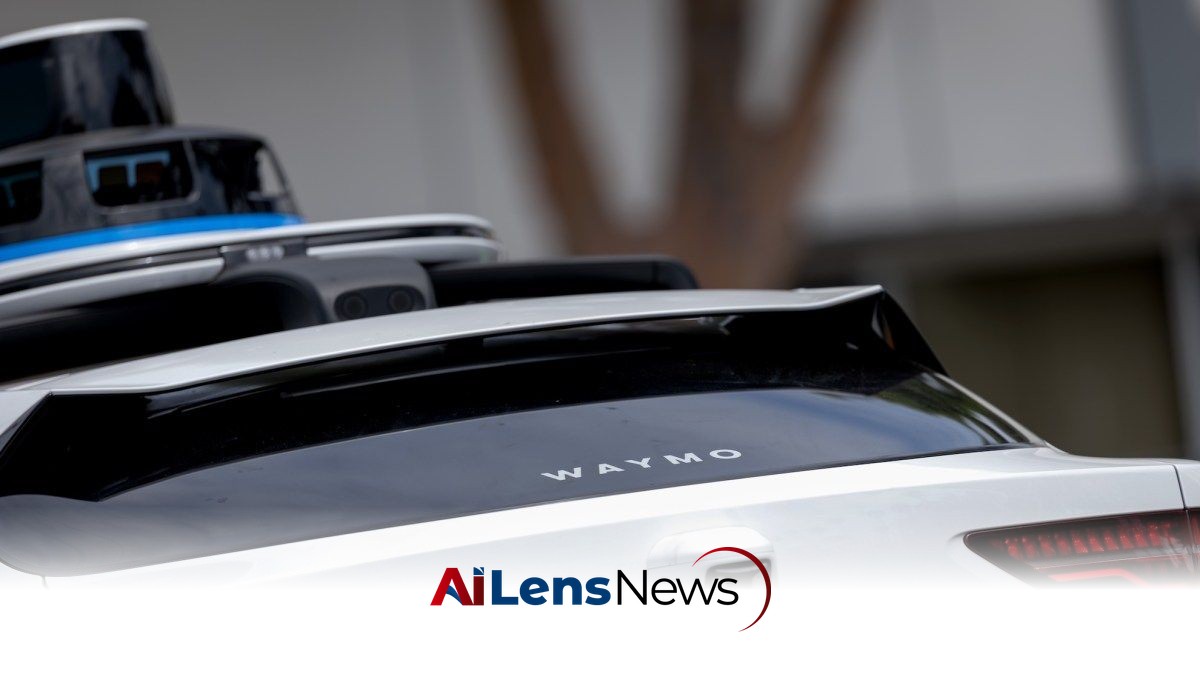


Waymo is reportedly seeking to exit its partnership with Uber, planning to launch its own robotaxi service in Austin and Atlanta by January 2028.
Washington DC, United States Jul 25, 2026 ALN: Waymo is reportedly looking for a way out of its deal with Uber, which has made the Alphabet-owned company’s robotaxis available on the ride-hailing giant’s network in Austin and Atlanta, according to the Financial Times.
Waymo already told Uber that it intends to offer robotaxis on its own app in those markets starting in January 2028 and alongside the existing offering, the ride-hail giant told on Friday. Uber said the contract with Waymo that covers Austin and Atlanta ends in May 2028. The two companies already split in Phoenix earlier this year, as first reported.
Waymo didn’t immediately respond to a request for comment.
This all follows months of rising tensions between Waymo and Uber. Earlier this year, Uber CTO Praveen Neppalli posted a video of what he thought was unsafe and “scary” behavior of a Waymo robotaxi. In May, Uber CEO Dara Khosrowshahi lightly criticized the behavior of Waymo’s robotaxis in school zones and emergency situations during an earnings call, though without naming the company.
Waymo, meanwhile, has wound up opposite Uber in a number of fresh policy fights over robotaxi regulations.
The relationship between Waymo and Uber has been complex and multifaceted, characterized by both collaboration and competition. Waymo, a subsidiary of Alphabet Inc., has been at the forefront of autonomous vehicle technology since its inception as Google's self-driving car project in 2009. The company has invested heavily in research and development, striving to create a safe and reliable autonomous driving system. In contrast, Uber, which revolutionized the ride-hailing industry, has also been exploring autonomous vehicle technology but has faced significant challenges, including regulatory hurdles and safety concerns.
The partnership between Waymo and Uber was initially seen as a strategic move that would allow both companies to leverage each other's strengths. By integrating Waymo's autonomous technology into Uber's ride-hailing platform, the collaboration aimed to enhance user experience and expand the availability of self-driving rides. However, as the two companies have pursued their own agendas, underlying tensions have surfaced, leading to the current situation where Waymo is considering an exit from their agreement.
The decision to move towards offering its robotaxis through its own app indicates a shift in Waymo's strategy. By operating independently in Austin and Atlanta, Waymo may be aiming to establish a stronger brand presence and customer loyalty in these markets. This move could also be interpreted as a response to the competitive landscape of autonomous vehicles, where various players are vying for market share and regulatory approval.
The timeline of this potential separation is noteworthy. Waymo’s announcement to launch its app in January 2028 suggests that the company is not rushing the transition. Instead, it appears to be taking a calculated approach to ensure a smooth rollout while maintaining its existing partnership with Uber until the contract expires in May 2028. This strategic planning could provide Waymo with the necessary time to refine its technology and user interface, ensuring that it meets the expectations of its customers.
The tensions between Waymo and Uber have been exacerbated by public criticisms from Uber's leadership regarding the safety and operational behavior of Waymo's vehicles. Such comments can have significant implications for public perception and regulatory scrutiny. The video posted by Uber's CTO showcasing what he deemed unsafe behavior raises questions about the reliability of autonomous vehicles and the readiness of the technology for widespread deployment. These concerns are particularly relevant in light of the ongoing discussions about the safety of self-driving cars, especially in sensitive areas such as school zones and during emergencies.
Moreover, the recent policy disputes between the two companies over robotaxi regulations highlight the competitive nature of the autonomous vehicle market. As regulations evolve, companies like Waymo and Uber must navigate a complex landscape that includes local, state, and federal laws. Disagreements over regulatory approaches can further strain partnerships, particularly when companies have differing views on safety standards and operational protocols.
The implications of Waymo's potential exit from its partnership with Uber extend beyond just the two companies involved. The autonomous vehicle industry as a whole is watching closely, as the outcome could set precedents for future collaborations and partnerships. If Waymo successfully establishes its own brand in the robotaxi space, it may encourage other companies to pursue similar strategies, leading to increased competition and innovation in the market.
Additionally, the move could influence investor confidence in both companies. Investors often look for stability and clear strategic direction in their portfolios. If Waymo's departure from the partnership is perceived as a sign of internal strife or strategic misalignment, it could impact stock prices and market valuations for both Alphabet and Uber. Conversely, if Waymo is able to successfully launch and operate its own robotaxi service, it may bolster investor confidence in its long-term prospects.
As the autonomous vehicle industry continues to evolve, the relationship between Waymo and Uber serves as a case study in the challenges and opportunities that arise in the pursuit of technological advancement. The decisions made by both companies in the coming months will not only shape their futures but also influence the broader landscape of transportation technology.
In conclusion, Waymo's contemplation of ending its partnership with Uber marks a significant moment in the ongoing development of autonomous vehicles. With both companies navigating a complex interplay of collaboration and competition, the outcome of this situation could have far-reaching implications for the future of ride-hailing services, public perception of autonomous technology, and the regulatory environment surrounding self-driving cars. As the industry continues to mature, stakeholders will be keenly observing how these dynamics unfold and what they mean for the future of transportation.
To learn more about the latest developments in Software & Platforms, stay updated with our exclusive reports and analyses on AiLensNews.

