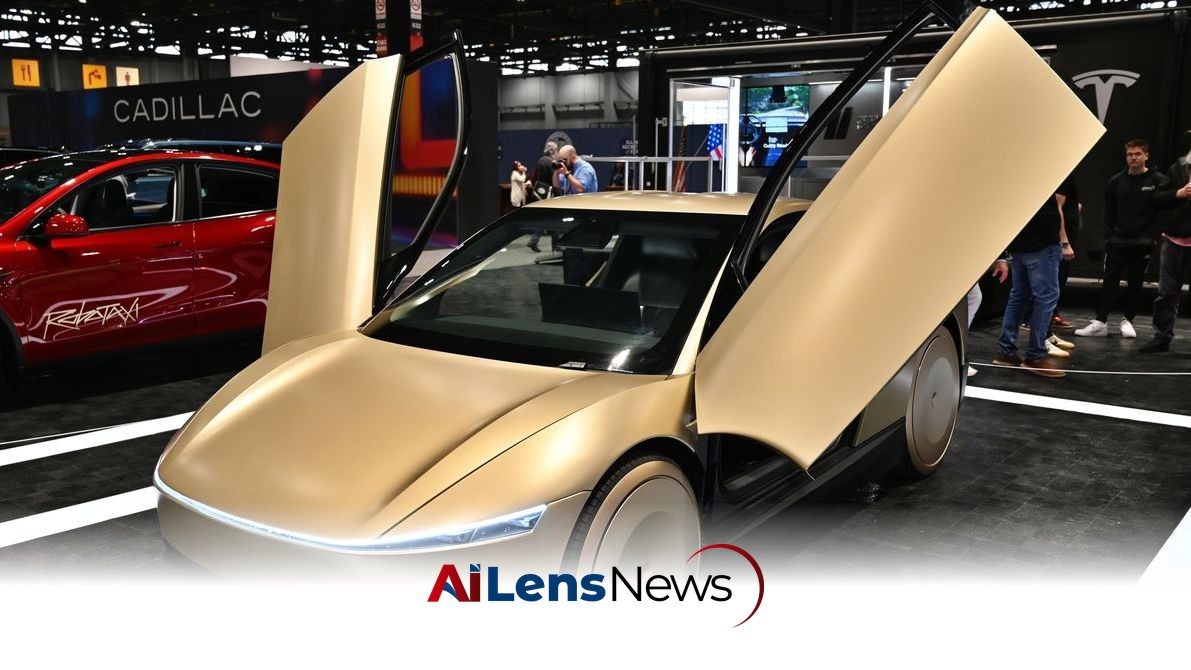


Tesla is actively developing a wheelchair-accessible autonomous vehicle, aiming to improve mobility for individuals with disabilities, according to a company representative.
Washington DC, United States Jul 13, 2026 ALN: Tesla is building a wheelchair-accessible autonomous vehicle, a Tesla representative told lawmakers in Washington, DC, on Monday. This announcement comes amidst a growing conversation about the need for inclusive transportation solutions that cater to individuals with disabilities, particularly those who rely on wheelchairs for mobility.
“We are in development for a purpose-built, wheelchair-accessible autonomous vehicle,” Tesla senior policy advisor India Herdman told members of the DC City Council on Monday, during a hearing focused on a controversial bill that could allow robotaxi services to operate in the District. “We know that paratransit can be very difficult, and people who are confined to wheelchairs permanently should still be able to move around freely, so that is an active product being built by Tesla in Texas,” she said. This commitment illustrates Tesla's recognition of the challenges faced by individuals with disabilities and its intention to address these challenges through innovative technology.
Tesla didn’t respond to a request for comment. Herdman provided no further details about when a wheelchair-accessible product might be available. The electric automaker often takes several years to manufacture its announced products, which raises questions about the timeline for bringing this new vehicle to market. Given Tesla's history of ambitious announcements followed by extended development periods, stakeholders in the disability community may need to temper their expectations regarding the speed of this initiative.
Tesla operates a small fleet of autonomous vehicles in the Texas cities of Austin, Dallas, and Houston and, as of this month, in Miami, Florida. (It also operates a service that uses human drivers in the San Francisco Bay Area.) The limited fleet uses Tesla Model Y, a compact SUV that is not wheelchair accessible. This limitation highlights a gap in Tesla's current offerings, as the existing fleet does not cater to the needs of wheelchair users, underscoring the importance of developing dedicated solutions for this demographic.
The company has started to manufacture and test a purpose-built Cybercab, meant exclusively for autonomous driving and without steering wheels or pedals. These Cybercabs are not wheelchair accessible, though Tesla highlighted in an X post this month its accessibility features, including braille lettering on controls and wheelchair-height seating to allow for easier transfers. While these features represent a step in the right direction, they fall short of providing full accessibility for wheelchair users, who require vehicles designed to accommodate their mobility aids.
Tesla and its CEO, Elon Musk, have hinted previously at a wheelchair-accessible autonomous vehicle. The company introduced an accessibility tab in its Robotaxi app last fall, though it directs users to other wheelchair-accessible ride providers in the area, rather than to Tesla’s own service. “We are working on accessible rides,” the app says. In response to an X user’s post last fall about Tesla working on accessible rides, Musk responded, “Absolutely.” This interaction indicates a commitment to improving access, but it remains to be seen how effectively Tesla can translate this commitment into tangible products.
No US robotaxi company currently offers fleetwide driverless, wheelchair-accessible rides, including market leader Waymo. At the DC hearing on Monday, Waymo regional head of state and local policy Matt Walsh said, “To date, it’s my understanding that we haven’t been able to identify a platform that is fully wheelchair-accessible while also meeting the unique specifications to retrofit that vehicle with our technology.” He continued: “Now, I don’t want that to sound like a cop-out. We are trying to find that vehicle.” Waymo’s challenges reflect a broader industry issue, as many companies grapple with the complexities of integrating accessibility features into their autonomous vehicle designs.
Waymo has touted the accessibility features of its newest vehicle, the Zeekr-built Ojai, including its flat floor, low step-in height, and grab bars. However, despite these features, it is not wheelchair accessible. This highlights the ongoing struggle within the industry to create vehicles that not only leverage cutting-edge technology but also meet the diverse needs of all potential users. Michigan-based Ann Arbor autonomous-vehicle developer May Mobility offers rides in wheelchair-accessible vehicles in some of its markets, with a human operator on board to help deploy necessary ramps. This model showcases one potential approach to bridging the gap between autonomous technology and accessibility, yet it also underscores the reliance on human assistance, which may not align with the fully autonomous vision many companies are pursuing.
The Americans With Disabilities Act (ADA) prohibits discrimination against people with disabilities in transportation services and requires reasonable modifications to provide equal access. Some but not all US cities require ride-hailing companies to provide wheelchair-accessible services. Many of those companies provide those rides through partnerships with specialized fleets made up of wheelchair-accessible vehicles. This legal framework emphasizes the importance of accessibility in transportation, yet compliance varies widely, leaving many individuals with disabilities without reliable options.
In September 2025, the US Department of Justice sued Uber for “refusing to reasonably modify its policies, practices, or procedures where necessary to avoid discriminating against riders with disabilities.” The case is being litigated, illustrating the ongoing legal challenges faced by companies in the transportation sector regarding accessibility. This lawsuit could have significant implications for how ride-hailing services operate and may set precedents for future cases concerning disability rights in transportation.
General Motors’ Cruise introduced a prototype wheelchair-accessible driverless taxi in 2023 and said it intended to roll out the vehicle in its self-driving car service in 2024. However, following a collision with a pedestrian, Cruise all but halted national service in 2023. The next year, General Motors stopped funding its self-driving unit entirely. This setback raises concerns about the viability of autonomous vehicles in the market, particularly when it comes to ensuring safety and accessibility for all users.
The development of wheelchair-accessible autonomous vehicles is not merely a technological challenge; it is also a societal imperative. As cities strive to become more inclusive, the transportation sector must adapt to provide equitable access to all individuals, regardless of their mobility needs. The successful implementation of such vehicles could enhance the independence and mobility of countless individuals with disabilities, allowing them to participate more fully in society.
As Tesla moves forward with its plans for a wheelchair-accessible robotaxi, it will be essential for the company to engage with advocacy groups and individuals with disabilities to ensure that their needs are met in the design and functionality of the vehicle. Collaboration with stakeholders will be crucial in creating a product that not only meets regulatory requirements but also genuinely enhances the quality of life for its users.
In conclusion, while Tesla's announcement of a wheelchair-accessible robotaxi is a promising development, it is part of a broader conversation about the need for accessible transportation solutions. The challenges faced by Tesla and other companies in this space reflect the complexities of integrating technology with social responsibility. As the industry evolves, the focus must remain on creating inclusive solutions that empower all individuals, particularly those with disabilities, to enjoy the same freedoms of movement as their able-bodied counterparts.
To learn more about the latest developments in Artificial Intelligence, stay updated with our exclusive reports and analyses on AiLensNews.

