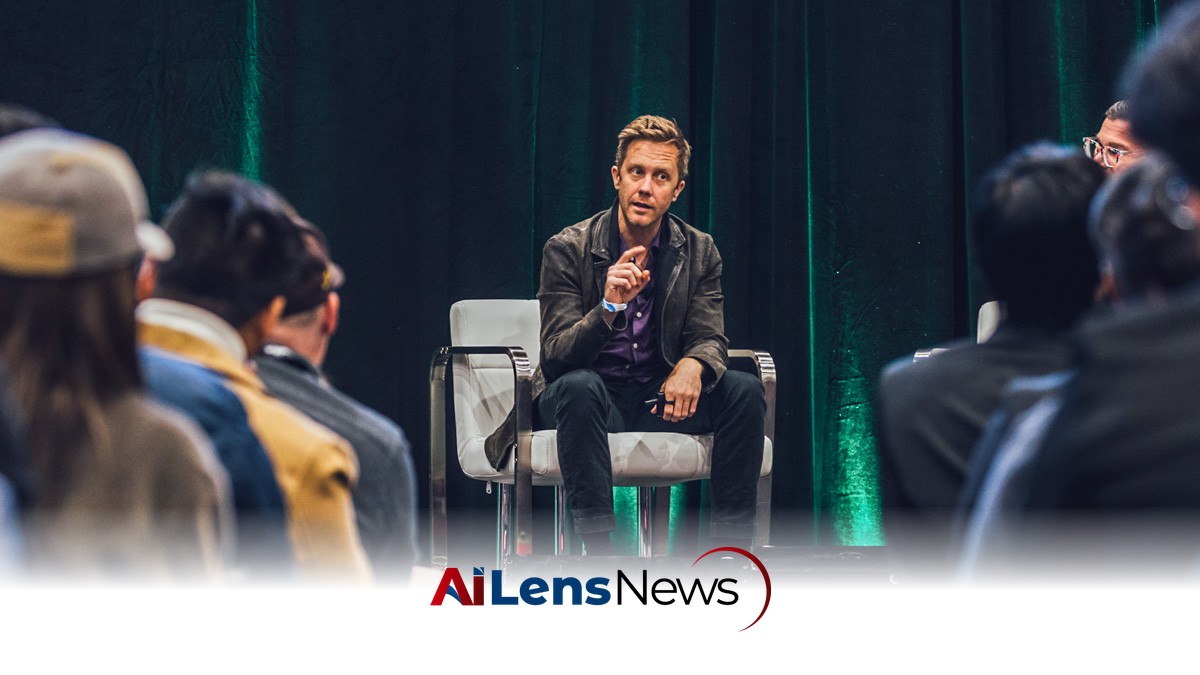


A wave of successful tech entrepreneurs is returning to hands-on roles, driven by the urgency of AI advancements and the potential for greater financial success.
Washington DC, United States Jul 14, 2026 ALN: A pattern is emerging among people who’ve already made it big. They’re rolling up their sleeves again, seemingly out of fear of missing AI’s defining moment and, presumably, the irresistible allure of making even more money — potentially a lot more.
In recent years, the rapid advancements in artificial intelligence (AI) have created a seismic shift in the tech landscape, prompting many seasoned entrepreneurs and industry leaders to re-engage in hands-on roles within the sector. This trend reflects a broader recognition of AI's transformative potential across various industries, including finance, healthcare, and transportation. The growing urgency to capitalize on AI technologies has led many successful figures in technology to reconsider their previous trajectories, often stepping away from advisory or board roles to take up positions that allow them to directly influence and shape the future of AI.
Tom Blomfield, who co-founded GoCardless and Monzo, is a notable example of this trend. After spending 4.5 years mentoring founders as a Y Combinator Group Partner, Blomfield announced on Monday that he is taking a leave of absence to join Anthropic’s compute team — not as an executive, but as a member of technical staff. This decision underscores a significant shift in Blomfield’s career path, as he opts to engage directly with the technical challenges and innovations that are at the forefront of AI development.
Blomfield is not alone in making that kind of move. Instagram co-founder Mike Krieger joined Anthropic as Chief Product Officer in 2024, further emphasizing the trend of established tech leaders gravitating towards AI. Additionally, Andrej Karpathy, a founding member of OpenAI who went on to lead AI at Tesla and later started his own company, Eureka Labs, joined Anthropic’s pre-training team in May. Karpathy framed his decision similarly to Blomfield’s, noting that “the next few years at the frontier of LLMs will be especially formative.” This sentiment reflects a growing consensus among tech leaders that the current period represents a pivotal moment in AI development, where foundational technologies are being established that will shape the future of the industry.
Not everyone is joining someone else’s lab. Chamath Palihapitiya, the “SPAC King” who has primarily engaged in boardroom activities since leaving Facebook in 2011, recently took his first full-time operating role in over a decade as CEO of 8090 Labs, his enterprise AI coding startup. This move, announced a couple of weeks ago alongside a $135 million Series A funding round led by Salesforce Ventures, signals his commitment to the burgeoning AI landscape. Palihapitiya expressed his conviction on social media, stating, “I am convinced that what we are building now is even more important, so there was no decision to make except to be all in.” His transition from a passive investor to an active participant in the AI field illustrates the compelling opportunities that many tech veterans see in this domain.
Similarly, Eric Wu, who led Opendoor for a decade before stepping back in 2023, has recently launched NavigateAI, an AI “copilot” designed for construction workers, with $25 million in seed funding. Wu articulated his motivation for diving into an AI startup during a recent conversation, stating, “I knew if I looked back in 10 years and didn’t do something related to it, I would probably regret that.” His comments highlight a common sentiment among tech leaders: the fear of missing out on a transformative moment in technology, particularly in an area as impactful as AI.
The clearest sign of how keen people who’ve already “made it” are to work on what they view as the still-early-innings of AI might be the job title itself. “Member of technical staff” is the deliberately flat, non-hierarchical label that companies like Anthropic and OpenAI use for nearly everyone on their technical teams, regardless of seniority. This title, which Blomfield has adopted, reflects a culture that values collaboration and innovation over traditional corporate hierarchies. It emphasizes the importance of every team member's contributions to the development of cutting-edge AI technologies.
It’s also the title that Peter Bailis took this March, just months after becoming Workday’s CTO, a role overseeing AI strategy across an $8 billion-revenue business. Bailis lasted less than a year before trading his executive position for a spot at Anthropic. This move indicates a broader trend among tech executives who are increasingly prioritizing the opportunity to engage directly with pioneering technology over the prestige of high-ranking titles. The willingness to adopt a more hands-on role in a startup environment may suggest a belief that the most significant innovations in AI will come from agile teams working on the cutting edge, rather than from established corporate structures.
The implications of this trend are profound. As established tech leaders re-enter the fray, they bring with them a wealth of experience and knowledge that can accelerate the development of AI technologies. Their involvement may lead to a more robust and innovative AI ecosystem, as they leverage their networks, experience, and financial resources to push the boundaries of what is possible. Moreover, their presence in the AI sector could attract further investment and attention, creating a virtuous cycle that fuels growth and innovation.
Furthermore, the influx of seasoned professionals into AI roles may also influence the culture within tech companies. By adopting flat organizational structures and emphasizing collaboration, these leaders could foster environments that are more conducive to creativity and innovation. This shift in corporate culture may also help to attract a new generation of talent eager to work on the forefront of technology, thereby ensuring a continuous flow of ideas and innovations in the sector.
As AI continues to evolve, the decisions made by these tech titans will likely have lasting implications for the industry. Their willingness to engage directly in the development of AI technologies not only reflects their recognition of the field's potential but also sets a precedent for future leaders in tech. The trend of established figures stepping back into operational roles could signal a new era in which hands-on leadership becomes the norm in tech, particularly in fields as rapidly changing as AI.
In conclusion, the re-engagement of prominent tech figures in AI roles underscores a significant moment in the industry. As these leaders dive into the technical challenges and opportunities presented by AI, they are not only shaping their own futures but also the future of technology itself. The convergence of experience, innovation, and a collaborative spirit may well define the next chapter of AI development, making it an exciting time for both the industry and its stakeholders.
To learn more about the latest developments in Artificial Intelligence, stay updated with our exclusive reports and analyses on AiLensNews.

