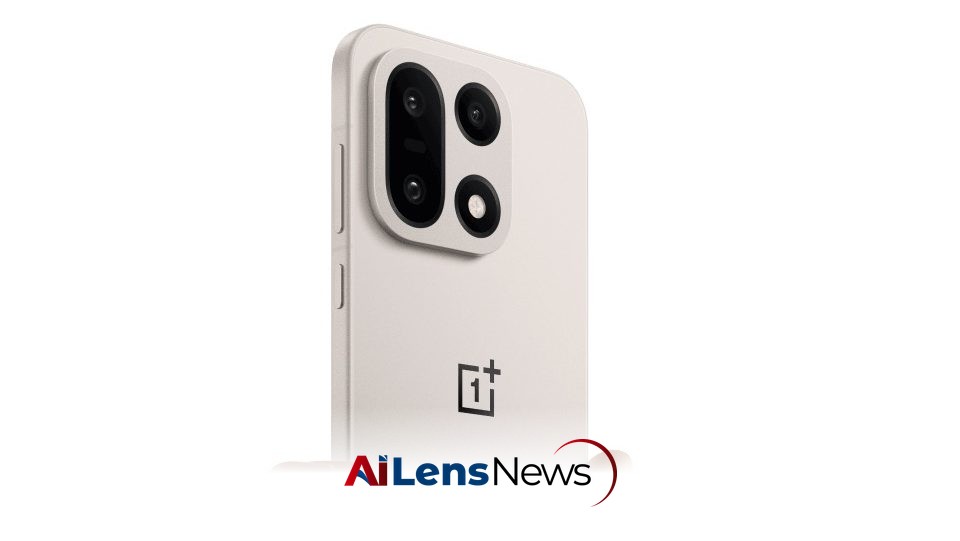


OnePlus announces it will cease launching new products in North America and Europe, citing market difficulties and plans to wind down operations in India.
Washington DC, United States Jul 16, 2026 ALN: Updated July 16, 2026 (3:00 a.m. PT): OnePlus said that the company won’t launch new products in Europe and North America.
“After careful assessment, OnePlus will no longer launch new products in Europe and North America. All users’ rights and interests, including after-sales support and software updates, will remain fully guaranteed,” it said in a statement.
Amid rising consumer electronics prices and slow demand for new purchases, Android phone maker OnePlus plans to wind down its U.S. and Europe operations this week, according to a report from Bloomberg.
The report cited a source saying that OnePlus’ shuttering of its U.S. and European shops is part of a corporate rejig at parent company Oppo. It also noted that OnePlus will wind down its operations in India, one of its biggest markets outside China.
OnePlus was founded in 2013 by Pete Lau and Carl Pei with the vision of creating affordable Android smartphones aimed at tech enthusiasts. The company quickly gained popularity for its flagship models that offered high-end specifications at competitive prices. Over the years, OnePlus expanded its product line to include various models, catering to a broader audience while maintaining a reputation for quality and performance.
The departure of co-founder Carl Pei in 2020 to establish his own company, Nothing, marked a significant transition for OnePlus. Pei's exit led to changes in the company's strategy and product offerings. Following his departure, OnePlus began to increase the prices of its flagship devices, a move that some critics argue diluted its original value proposition. In response, the company launched the Nord series, which aimed to capture the mid-range market segment and attract customers looking for more affordable options.
The current market landscape presents significant challenges for smartphone manufacturers, including OnePlus. Analytics firms such as IDC and Counterpoint have projected a decline in global smartphone shipments, with estimates suggesting a drop of more than 13% in 2026. This decline has been attributed to various factors, including a shortage of memory chips, commonly referred to as "RAMageddon," which has hampered production and led to increased prices for consumers.
Oppo, OnePlus's parent company, has also reported a troubling trend, with a double-digit shipment decline year-over-year for the second quarter of 2026. According to Counterpoint's report, Oppo's sales have suffered due to "softness across most of its key markets," indicating a broader issue affecting the smartphone industry. This downturn in demand has prompted the company to reassess its operations and focus on markets where it has experienced more success.
Despite the setbacks in Europe and North America, OnePlus plans to continue its operations in China, where it has maintained a strong market presence. Additionally, the company will shift its focus to selling Realme phones in international markets, particularly in regions like the Nordic countries, where these devices have gained traction. This strategic pivot reflects a broader trend among smartphone manufacturers to concentrate their efforts on markets where they can achieve better sales performance.
Counterpoint's analysis highlights that OnePlus's shipment share in the U.S. has dwindled to below 1% in the past year. This decline underscores the competitive pressures facing the brand as it contends with a saturated market and aggressive competition from other manufacturers. The once-celebrated status of OnePlus as the "flagship killer"—a brand known for delivering high-end specifications at mid-range prices—now seems to be fading. Maurice Klaehne, a senior research analyst at Counterpoint, noted that the era of rapid growth for OnePlus has come to an end, as the company now refocuses on its home market in China while retreating from its previous global ambitions.
The implications of OnePlus's decision to halt new product launches in key markets are significant. For consumers in Europe and North America, this means fewer options in the competitive smartphone landscape, particularly for those who have come to appreciate OnePlus's unique value proposition. Current OnePlus users can rest assured that their rights and interests will still be upheld, as the company has committed to maintaining after-sales support and software updates for existing devices.
In summary, OnePlus's strategic withdrawal from the U.S. and European markets is indicative of the broader challenges facing the smartphone industry, including rising costs, shifting consumer preferences, and intense competition. As the company navigates this complex landscape, it will be essential to monitor its performance in China and other emerging markets, as well as its ability to adapt to changing market dynamics. The future of OnePlus will depend on its capacity to innovate and respond to the evolving needs of consumers in an increasingly competitive environment.
The smartphone market has seen various shifts in consumer preferences over the past few years. The rise of budget-friendly smartphones with competitive specifications has made it increasingly difficult for brands like OnePlus to maintain their market share, especially in regions where consumers are more price-sensitive. The entry of new players and the aggressive marketing strategies of established brands have further intensified competition. As a result, companies are compelled to constantly innovate and offer unique features to attract consumers.
In addition, the economic climate has played a significant role in shaping consumer behavior. With inflation affecting purchasing power, many consumers are opting to hold onto their existing devices for longer periods, leading to a slowdown in new smartphone sales. This trend is particularly pronounced in developed markets like the U.S. and Europe, where consumers are more likely to prioritize value over brand loyalty in their purchasing decisions.
OnePlus's decision to halt new launches may also reflect a strategic repositioning in response to these market realities. By consolidating its efforts in regions where it has seen more success, such as China, the company can focus on optimizing its resources and potentially improving profitability. This approach may allow OnePlus to develop and release products that are better aligned with consumer demands in those markets, rather than spreading itself too thin across multiple regions with declining sales.
The withdrawal from Europe and North America may also provide OnePlus with an opportunity to reevaluate its product offerings and marketing strategies. With a focus on fewer markets, the company can invest more in research and development, potentially leading to innovations that could help them regain market share in the future. Furthermore, this strategic retreat could allow OnePlus to strengthen its brand identity and reconnect with its core customer base, who have valued the company's commitment to high-quality, affordable devices.
Looking ahead, the smartphone industry is likely to continue facing challenges, including economic fluctuations, supply chain disruptions, and evolving consumer preferences. Companies that can adapt to these changes, leverage technological advancements, and offer compelling value propositions will be better positioned to succeed. For OnePlus, the road ahead will require a careful balance of innovation and market focus, as it seeks to navigate the complexities of a rapidly changing industry landscape.
To learn more about the latest developments in Gadgets & Devices, stay updated with our exclusive reports and analyses on AiLensNews.

