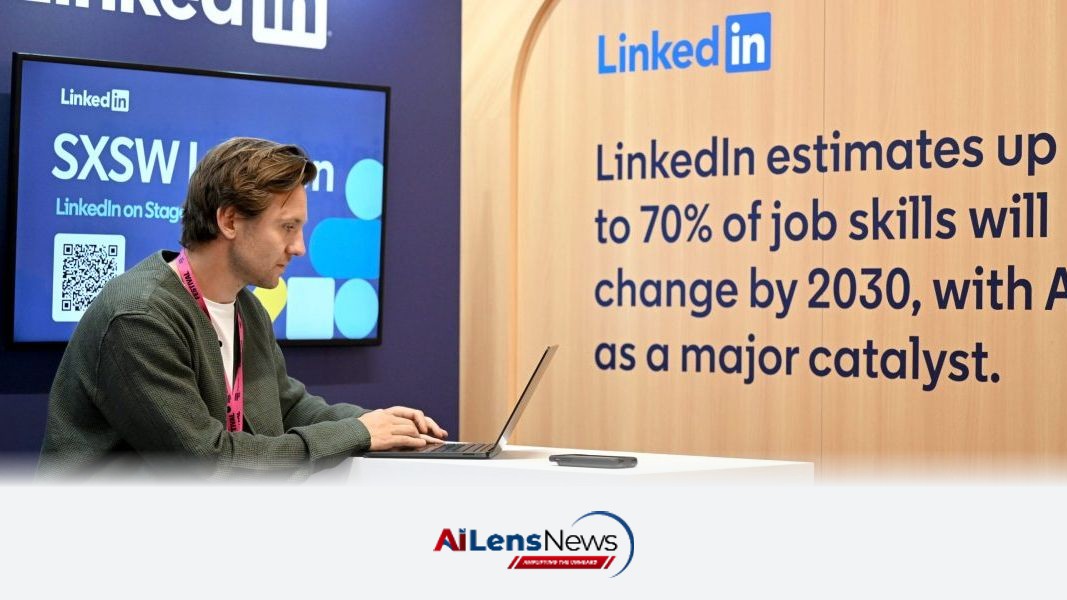



LinkedIn introduces a 'seems like AI slop' button to combat AI-generated posts, responding to user concerns over content authenticity.
Washington DC, United States Aug 25, 2026 ALN: Years after the "dead internet theory" gained traction, LinkedIn is actively working to prevent its platform from becoming a victim of AI-driven content saturation. The dead internet theory posits that much of the content found online is not generated by humans but rather by algorithms and artificial intelligence, leading to a perceived decline in the quality and authenticity of online interactions. This theory has gained traction in recent years, particularly with the rapid advancements in AI technology and its increasing prevalence across various digital platforms.
Last month, LinkedIn's Chief Product Officer, Hari Srinivasan, announced a new feature allowing users to flag posts that seem AI-generated, dubbed the "seems like AI slop" button. This initiative aims to enhance user experience by filtering out low-quality content that may detract from meaningful interactions on the platform. The introduction of this feature underscores LinkedIn's commitment to maintaining a professional environment where genuine human insights and discussions can thrive.
In just two weeks since its launch, over 1 million users have utilized this feature, indicating a strong demand for mechanisms that help preserve content quality. Srinivasan noted a significant decrease in views—40% less—for posts identified as AI slop compared to previous weeks, suggesting that users are actively engaging with the platform's new tools to curate their feeds better. This response reflects a growing concern among users about the authenticity of content they encounter on LinkedIn.
“Despite the progress, we know we have more to do to ensure LinkedIn remains a place where you can find real people and real perspectives,” Srinivasan stated, emphasizing the platform's commitment to authenticity. This statement highlights the ongoing challenge LinkedIn faces in balancing the integration of AI technologies while preserving the integrity of user-generated content.
The dead internet theory, which emerged in the late 2010s, reflects concerns about the internet's diminishing vibrancy due to the rise of AI and bots. This theory has gained mainstream attention as AI-generated content proliferates online. As users become more aware of the prevalence of AI-generated material, platforms like LinkedIn are under increasing pressure to implement solutions that can distinguish between authentic human contributions and those generated by algorithms.
According to Rudy Yang, an analyst at PitchBook, the data suggests an increase in bot activity, with AI driving much of the browser engagement observed today. Cloudflare reported that, for the first time, web traffic from AI has surpassed that from human users, with bots now accounting for 61.9% of search requests. This shift raises questions about the future of online engagement and the potential for users to encounter content that lacks genuine human insight.
A recent Pew Research Center study revealed that 10% of 10,000 web pages analyzed showed significant signs of AI authorship, a stark increase from 2% five years ago. Furthermore, evidence of AI authorship has been detected in over one-third of all web pages published since the release of ChatGPT in late 2022. These statistics underscore the rapid growth of AI-generated content and the challenges it poses for platforms like LinkedIn, which rely on user-generated content to foster professional networking and discourse.
LinkedIn, which boasts over 1.3 billion registered users, faces unique challenges with AI-generated content. An analysis by AI detection startup Pangram found that LinkedIn is the most AI-saturated platform, with more than 40% of its long-form posts flagged as entirely AI-generated. This statistic is alarming for a platform that prides itself on professional authenticity and meaningful connections among its users.
Tech companies that initially embraced AI are now grappling with the overwhelming influx of AI-generated content, striving to cleanse their platforms. The challenge is multifaceted, involving not only the identification and removal of low-quality content but also the need to foster an environment where genuine human interactions can flourish.
Spotify, for instance, reported removing 75 million bulk uploads and duplicate songs in the past year, a significant portion of the estimated 100 million uploads on its platform. The music streaming service's efforts to combat the saturation of low-quality content highlight the broader industry trend of companies seeking to maintain content integrity in an era dominated by AI-generated material. Similarly, Substack has partnered with Pangram to launch an AI-detection feature that allows users to assess the AI contribution in posts and comments, reflecting a growing industry-wide awareness of the need for transparency in content creation.
LinkedIn plans to enhance profile and page verification while discontinuing its "enhance your post" feature, which allowed AI-assisted editing. Instead, they will introduce a proofreading feature to maintain content integrity. This decision demonstrates LinkedIn's proactive approach to address the concerns surrounding AI-generated content while still providing users with tools to improve their posts without compromising authenticity.
These companies face dire consequences if they fail to address the surge of AI-generated content. In March, link-sharing site Digg shut down its app and laid off staff, with CEO Justin Mezzell acknowledging the need for time to combat rampant bot spam. The closure of Digg serves as a cautionary tale for other platforms, emphasizing the importance of maintaining user trust and engagement in an age where AI-generated content is becoming increasingly prevalent.
As LinkedIn and other platforms navigate these challenges, the implications for users and the broader digital landscape are significant. The rise of AI-generated content raises questions about the future of online interactions, the value of human-generated insights, and the ethical considerations surrounding content creation. As users become more discerning about the content they consume, platforms that prioritize authenticity and transparency will likely emerge as leaders in the digital space. The ongoing efforts by LinkedIn to combat AI saturation and enhance content quality will be closely watched by industry observers and users alike, as the platform seeks to redefine its role in the ever-evolving landscape of professional networking.
To learn more about the latest developments in Social Media & Creator Economy, stay updated with our exclusive reports and analyses on AILensNews.

