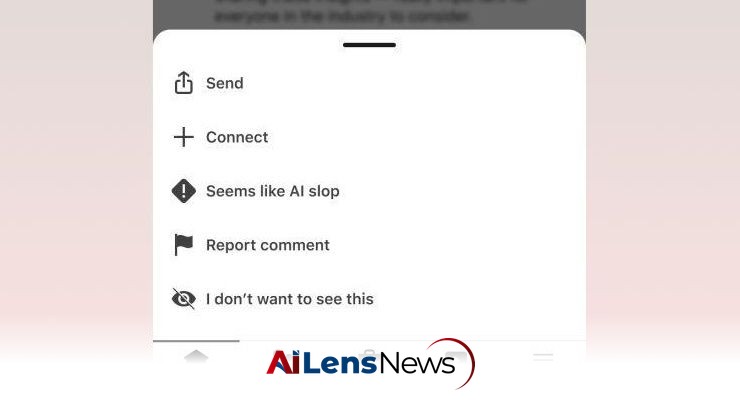


LinkedIn has launched a new button allowing users to report posts that appear to be AI-generated, aiming to reduce low-quality content on the platform.
Washington DC, United States Jul 31, 2026 ALN: LinkedIn, the professional networking platform, has recently announced the introduction of a new feature that allows users to report posts they believe have been generated by artificial intelligence (AI). This initiative is part of a broader strategy to combat the increasing prevalence of what the company refers to as "AI slop," a term used to describe low-quality or inauthentic content that may clutter users' feeds and detract from the platform's overall value.
The new reporting feature, aptly labeled "Seems like AI slop," empowers users to flag posts that do not appear to be authentically human-written. This functionality is particularly relevant in an era where AI-generated content is becoming more commonplace across various digital platforms. The decision to implement this feature comes in light of findings from Pangram, an AI detector, which revealed that a staggering 41 percent of long-form posts on LinkedIn were flagged as entirely AI-generated. This statistic has raised concerns about the integrity of content shared on the platform, prompting LinkedIn to take action.
Hari Srinivasan, LinkedIn's chief product officer, has underscored the significance of addressing the issue of AI-generated content, stating, "AI slop is a top priority for all of us. We really care about this." His comments reflect a growing awareness within the tech industry regarding the potential negative implications of unchecked AI content generation. As AI technology continues to advance, the risk of users encountering low-quality or misleading information increases, which can undermine trust in online platforms.
The reporting button for "Seems like AI slop" can be conveniently located within the three-dots menu on individual posts. When a user clicks this button, the flagged post is hidden from their view, and a message appears thanking them for their feedback. Srinivasan emphasized that this user feedback will play a critical role in helping LinkedIn refine its algorithms and improve the overall quality of content presented in users' feeds. By leveraging community input, LinkedIn aims to create a more authentic and engaging environment for its users.
In addition to the reporting feature, LinkedIn is also taking steps to enhance its classifiers, which are designed to identify low-quality content. This initiative aims to reduce the visibility of such posts, further ensuring that users are presented with high-quality and relevant information. The company recognizes that maintaining the integrity of its platform is essential for fostering meaningful professional connections and discussions.
Moreover, LinkedIn is planning to remove a feature that previously utilized AI to enhance users' posts. This decision reflects a commitment to preserving the authenticity of the content shared on the platform. Instead of altering users' voices, the new tool will focus on proofreading their words, ensuring clarity and correctness without compromising individual expression. This shift indicates LinkedIn's understanding of the delicate balance between leveraging technology for improvement and maintaining the genuine human touch that users expect.
The introduction of the "Seems like AI slop" reporting feature and the accompanying changes are indicative of a broader trend within the tech industry, where platforms are increasingly prioritizing content quality and user experience. As AI technologies become more integrated into everyday life, the challenge of distinguishing between human-generated and machine-generated content becomes more pronounced. LinkedIn's proactive measures may serve as a model for other platforms grappling with similar issues.
Furthermore, the implications of this initiative extend beyond LinkedIn itself. As professionals increasingly turn to online platforms for networking, job searching, and sharing industry insights, the quality of content becomes paramount. Users are more likely to engage with posts that resonate with their experiences and provide valuable information. By addressing the issue of AI-generated content, LinkedIn is not only enhancing its platform but also reinforcing its role as a reliable source of professional networking.
In the larger context, the rise of AI-generated content has sparked debates about authenticity, credibility, and the future of communication. As individuals and organizations navigate this evolving landscape, the need for discernment becomes critical. Users must develop the skills to identify quality content and discern the motivations behind various posts. LinkedIn's new feature aims to assist users in this process by providing them with the tools necessary to report content that falls short of their expectations.
As LinkedIn continues to evolve in response to user feedback and technological advancements, these changes underscore the platform's commitment to fostering a community that values genuine and meaningful interactions. The decision to prioritize content quality reflects a broader recognition of the importance of trust in digital communication, particularly in a professional context.
Looking ahead, it will be interesting to observe how users respond to the new reporting feature and whether it effectively reduces the prevalence of AI-generated content on the platform. Additionally, as more users become aware of the implications of AI in content creation, there may be a growing demand for transparency regarding the origins of posts. LinkedIn's initiative is a step toward addressing these concerns, but it also raises questions about the future of content moderation and the ongoing evolution of AI technology.
In conclusion, LinkedIn's introduction of the "Seems like AI slop" reporting feature represents a significant move toward enhancing content quality on the platform. By empowering users to take an active role in flagging low-quality posts, LinkedIn is fostering a more authentic and engaging professional environment. As the landscape of online communication continues to shift, initiatives like this will be crucial in ensuring that platforms remain valuable resources for users seeking genuine connections and insights.
To learn more about the latest developments in Software & Platforms, stay updated with our exclusive reports and analyses on AiLensNews.

