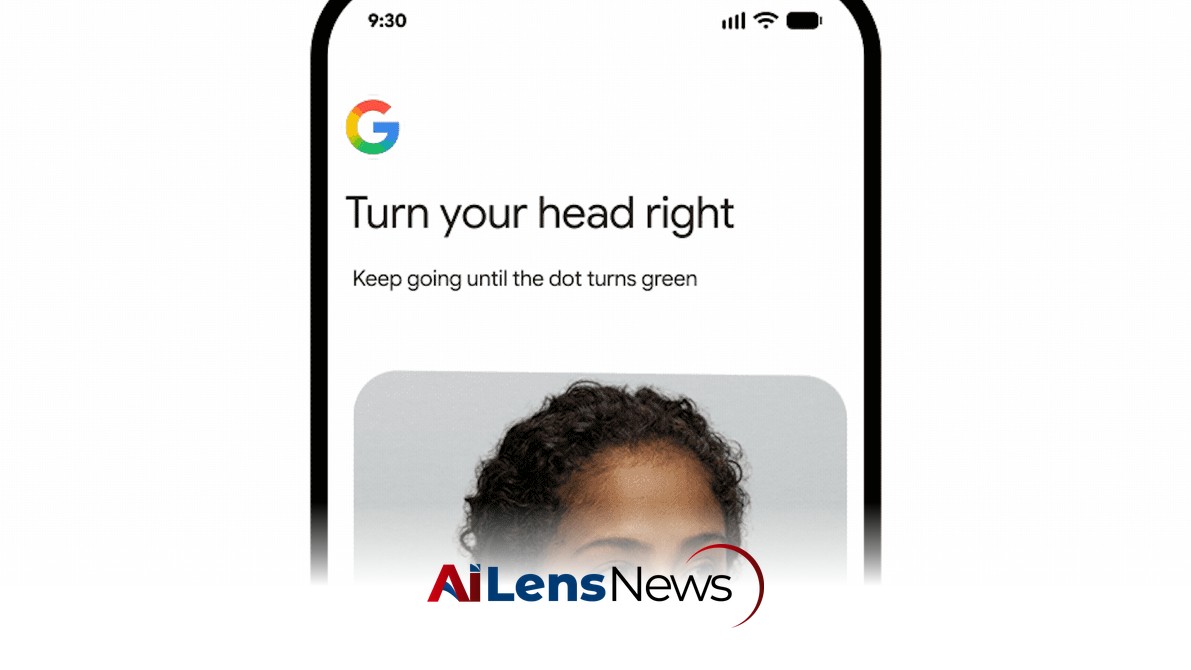


Google now allows users to use a selfie video as a method for account recovery, enhancing security and accessibility.
Washington DC, United States Jul 23, 2026 ALN: Google has a new way for users to sign in to their accounts: a selfie video. This innovative feature is part of a broader trend in technology aimed at enhancing user security while also streamlining the account recovery process. With the increasing reliance on digital platforms for both personal and professional activities, the importance of secure and efficient account recovery methods cannot be overstated.
If you’ve ever lost your device and found yourself locked out of your Google account, you know it can feel like a desperate, Kafkaesque process to recover access and regain control. This is especially true for those who manage their digital lives through Google services, which can include everything from email messages to calendar appointments and cloud storage. The introduction of selfie video as a recovery option provides an additional layer of security, akin to having a spare key hidden in the bushes. This method not only enhances security but also addresses the frustrations users face during recovery attempts.
“We always recommend that you set up more than one option,” says Claire Forszt, a product manager at Google who focuses on identity and engagement. “Selfie is just the newest option in that list available for users. It's designed to help specifically in these vulnerable scenarios around not having access to the device where your passkey might be.” This statement reflects Google's commitment to providing a variety of recovery options, which also include traditional methods such as recovery contacts and backup codes. By diversifying the ways in which users can regain access to their accounts, Google aims to reduce the potential for frustration and ensure that users can quickly and securely recover their accounts when needed.
I was able to set up my selfie video in less than five minutes, and the process was straightforward. To initiate the setup, users must open their Google account and navigate to the Security & sign-in tab. From there, they can scroll down to the How you sign in to Google section. If the selfie sign-in option is currently available for their account, it will be displayed at the bottom of this section. Google is in the process of rolling this feature out globally to most accounts, which means that it will soon be accessible to a wide range of users across different regions.
I recorded my selfie video on an iPhone, and Google accepted it on my first attempt. The company provides specific guidelines to ensure the video meets their requirements. It recommends keeping your face visible and your eyes pointed at the camera in standard lighting conditions. Additionally, users are advised to ensure that they are the only face visible in the recording; even a family portrait hanging behind them is considered unacceptable. As prompted by Google, I lifted my chin slowly and stared at the ceiling for a second before bringing my head back to the center. The final step involved looking directly at the camera for one last capture. After completing these steps, Google verified the selfie video and stored it under Security Settings, making it available for future sign-in attempts.
To address potential security concerns, Google has implemented measures to safeguard users against deepfake attacks. The company utilizes tools like liveness detection to ensure that the video being submitted is indeed a live capture of the user and not a manipulated or synthetic image. “There might be instances where passing a selfie video alone may not always be sufficient to get you back into your account if we suspect something risky going on,” Forszt explains. “We evaluate the overall risk based on many factors.” This comprehensive approach to security illustrates Google's awareness of the evolving landscape of digital threats and its commitment to protecting users' accounts from unauthorized access.
If you decide to enable this option, it is essential to set it up before you need it. According to Google’s support page for the feature, “You can’t add a selfie video while you’re locked out of your account or in the account recovery process.” This limitation underscores the importance of proactive security measures, encouraging users to think ahead about their account recovery options and to take action before a crisis occurs.
During the selfie video creation process, Google gives users the option to allow their recording to be used as training data. The description next to the optional checkbox reads: “Allow Google to use this and any previously provided selfie videos and related data to develop and improve our facial recognition, age estimation, and other verification methods that use your physical features or movement, across Google services.” This opt-in feature raises important questions about user privacy and data usage, prompting users to consider the implications of sharing their biometric data with the company. Users can later adjust this setting in their privacy settings, which is labeled Improve Google services, if they change their mind about participating in this data-sharing initiative.
This selfie video process may feel familiar to Google power users who have experimented with other recently released features. Earlier this year, Google launched an AI avatar tool in its Gemini app, allowing users to create a digital clone of their likeness to be inserted into AI-generated videos. Many users, including myself, were impressed by the photorealistic and natural quality of the generated avatars, showcasing the advancements in AI and machine learning technologies that Google has been developing. This continuous innovation reflects the company's efforts to remain at the forefront of technology and user experience.
While Google’s approach to these selfie features gives users the choice to opt in, other tech companies have taken a different path with recent tools that involve users' likenesses and generative AI. For instance, in July, Meta faced significant backlash from Instagram users when it automatically opted adults into allowing their images to be available for AI remixes by anyone, unless they navigated through the settings to opt out. The backlash was so severe that Meta completely deleted the feature three days after its launch. This incident highlights the delicate balance that companies must strike between innovation and user consent, emphasizing the need for transparent policies and user control over personal data.
While some readers will, understandably, still be uncomfortable with this new sign-in method that captures and stores their likeness, I’m glad the feature is opt-in and will likely leave it enabled for my personal account. For individuals who frequently find themselves locked out of their accounts, the ability to use a selfie video as a recovery option can provide a much-needed sense of security and convenience. Swiping my face card the next time I’m desperately attempting to claw my way back into my account will feel like a relief, alleviating some of the stress associated with account recovery processes. As technology continues to evolve, it will be interesting to see how companies like Google adapt their security measures to meet the changing needs and expectations of their users.
To learn more about the latest developments in Software & Platforms, stay updated with our exclusive reports and analyses on AiLensNews.

