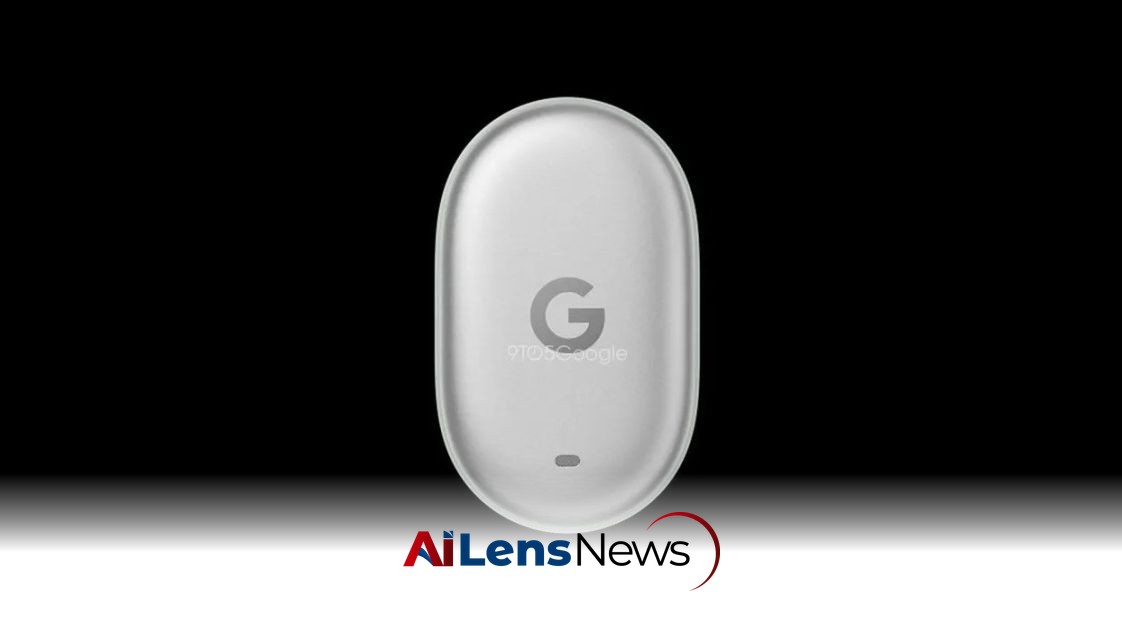


Google is reportedly developing a new item tracker called the Pixel Tag, designed to rival Apple's AirTag, featuring integration with Google's Find My Device network.
Washington DC, United States Jul 31, 2026 ALN: Google is seemingly working on an item tracker that might compete with Apple’s AirTag. 9to5Google obtained an image of something called a “Google Pixel Tag” that has a small oval shape. The publication also linked to a Slovenian store listing about the Pixel Tag that describes the gadget as an item tracker with a speaker that uses Google’s “Find My Device” network (which is now called Find Hub).
The Pixel Tag is popping up shortly ahead of Google’s planned hardware launch event for August 12th. Google has already shown off teases of the Pixel 11 lineup for the event, and leaks have also appeared for a new foldable, smartwatch, and earbuds. Earlier this month, 9to5Google noted that early Pixel 11 listings mentioned a Google Pixel Tag but pointed out that “no such tracker exists right now.”
Here’s a machine translation of the Pixel Tag’s description from the Slovenian listing:
The Google Pixel Tag smart tracker helps you quickly and reliably locate your lost items using the secure “Find My Device” network.
Never waste time searching for your keys, wallet or luggage again. Google Pixel Tag is a compact, lightweight and durable smart tracker that attaches discreetly to your most important items. Using Google’s extensive and secure “Find My Device” network, you can always check the exact location of your belongings via your smartphone. The tracker is equipped with a loud speaker for easy nearby search and is designed with your privacy and personal data in mind.
Google didn’t immediately reply to a request for comment.
The introduction of the Google Pixel Tag represents a significant move for Google into the growing market of item trackers, a segment that has gained substantial popularity since the launch of Apple’s AirTag in April 2021. The AirTag has been praised for its ease of use, integration with Apple's ecosystem, and its precise location tracking capabilities, which utilize the vast network of Apple devices. This success has prompted other tech companies, including Samsung and Tile, to enhance their offerings in the item tracking space.
Item trackers like the AirTag and the anticipated Pixel Tag allow users to attach small devices to personal belongings—such as keys, bags, or wallets—to help locate them if lost. The technology typically relies on Bluetooth and a network of devices to triangulate the location of the item. The growth of this market can be attributed to the increasing number of people who misplace their belongings, and the convenience that these trackers provide in alleviating that frustration.
As consumers become more reliant on technology in their daily lives, the demand for reliable tracking solutions has surged. The COVID-19 pandemic, which prompted many to reorganize their homes and workspaces, has further highlighted the need for such devices. The ability to quickly locate essential items has become a priority for many individuals, making the introduction of the Pixel Tag timely.
In addition to the practical benefits of item trackers, privacy and security concerns have emerged as significant issues. Both Apple and Google have faced scrutiny regarding how they manage user data and the potential for tracking devices to be misused. Apple has implemented features such as alerts for users when an unknown AirTag is detected moving with them, aiming to prevent unwanted tracking. It remains to be seen how Google will address these concerns with the Pixel Tag, but it is likely that they will need to incorporate similar privacy measures to ensure consumer confidence.
Moreover, the Pixel Tag's integration with Google's existing services, such as Google Maps and Google Assistant, could provide a seamless user experience that differentiates it from competitors. The ability to use voice commands to locate items or receive notifications through Google Assistant could enhance the functionality of the Pixel Tag, making it a more appealing option for users already embedded in the Google ecosystem.
The upcoming hardware launch event on August 12th is expected to showcase not only the Pixel Tag but also the Pixel 11 lineup, a new foldable smartphone, a smartwatch, and updated earbuds. This event is crucial for Google as it seeks to solidify its position in the competitive tech market, particularly against rivals like Apple and Samsung, who have established strong brand loyalty among consumers.
In the broader context, the introduction of the Pixel Tag could signify Google's ongoing strategy to expand its hardware offerings and enhance the integration of its software and services. By entering the item tracking market, Google may also be looking to capture a share of the growing demand for smart home devices and accessories that enhance everyday life.
As the technology landscape continues to evolve, companies like Google must remain agile and responsive to consumer needs. The success of the Pixel Tag will depend on its pricing, ease of use, and how well it integrates with other Google services. If executed effectively, the Pixel Tag could become a popular choice among consumers looking for reliable item tracking solutions.
In conclusion, while the Pixel Tag is still in the works and has not yet been officially launched, its anticipated features and Google's existing infrastructure position it as a strong contender in the item tracker market. As consumers seek innovative solutions to manage their belongings, the competition among tech giants will likely drive further advancements in this technology, ultimately benefiting users with more options and improved functionality.
Looking further into the implications of the Pixel Tag's introduction, it is important to consider the competitive landscape of the item tracker market. The success of the AirTag has not only reshaped how users think about tracking their belongings but has also set a high standard for functionality and user experience. For Google, entering this market means not only matching but potentially exceeding the features offered by existing products.
In addition to performance, the design and aesthetics of the Pixel Tag will also play a significant role in its market acceptance. Consumers today are increasingly concerned with how products fit into their lifestyle, and a sleek, modern design could enhance its appeal. Furthermore, the durability and battery life of the device will be critical factors that consumers will consider when making a purchasing decision.
Moreover, the marketing strategy that Google employs will be vital in establishing the Pixel Tag as a household name in the item tracking market. Clear communication of its features, benefits, and unique selling points will be important to differentiate it from competitors. Google’s existing customer base and brand recognition can serve as a strong foundation for this marketing effort.
As Google prepares for the launch, it will also need to consider the potential for future updates and enhancements to the Pixel Tag. The technology landscape is rapidly evolving, and consumer expectations are continuously rising. Regular updates that add new features or improve existing ones can help maintain user interest and satisfaction over time.
In summary, the anticipated launch of the Google Pixel Tag is not just a response to the popularity of Apple's AirTag; it represents a strategic move by Google to expand its hardware ecosystem and provide consumers with innovative solutions for everyday challenges. As the market for item trackers continues to grow, the Pixel Tag could play a significant role in shaping the future of how individuals manage and locate their belongings.
To learn more about the latest developments in Gadgets & Devices, stay updated with our exclusive reports and analyses on AiLensNews.

