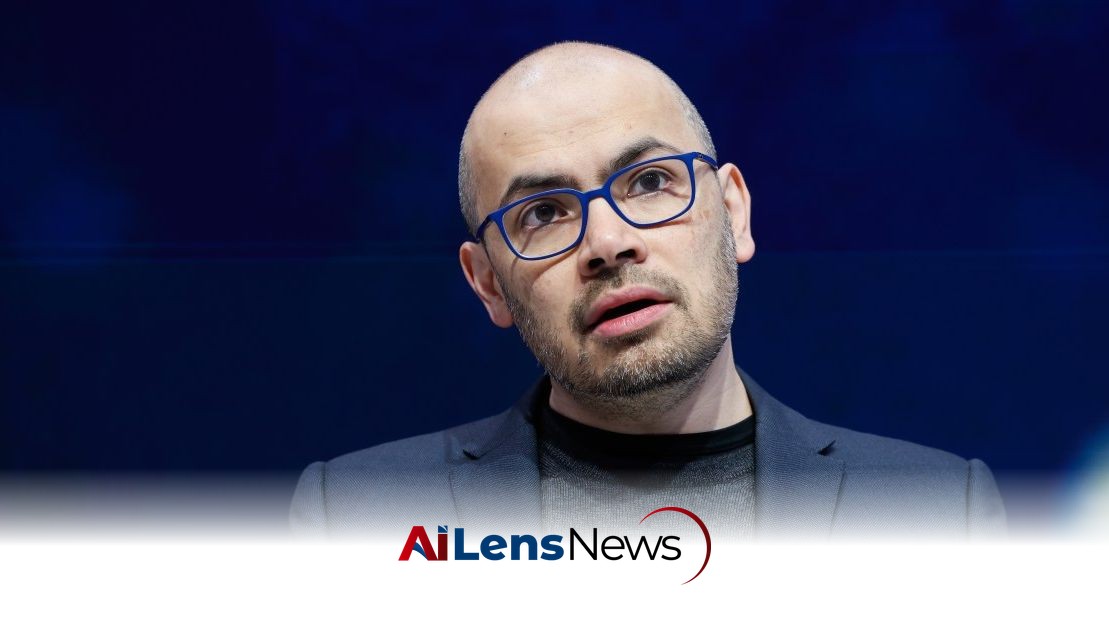


Google DeepMind's CEO calls for a global AI watchdog to ensure safety as AI technology advances rapidly.
Washington DC, United States Jul 14, 2026 ALN: Demis Hassabis, the CEO and cofounder of Google DeepMind, has emerged as a prominent advocate for the establishment of a global regulatory body to oversee artificial intelligence (AI) technologies. His call for an AI watchdog comes amid growing concerns about the potential risks associated with frontier AI models, which are becoming increasingly sophisticated and capable. In a recent blog post, Hassabis outlined his vision for this organization, emphasizing the necessity for proactive measures to ensure the safe development and deployment of AI systems.
In his blog post titled A Framework for Frontier AI and the Dawning of a New Age, Hassabis argues that the United States should take the lead in this initiative due to its significant economic and technical prowess. He posits that the US is uniquely positioned to set global standards for AI governance, which would be crucial in addressing the challenges posed by advanced AI technologies. The proposed organization would function similarly to existing regulatory bodies, such as the Financial Industry Regulatory Authority (FINRA), and would consist of leading experts in the field, as well as representatives from open-source communities. This diverse composition is intended to ensure that various perspectives are considered in the evaluation of AI systems.
The proposed AI watchdog would have the authority to assess and evaluate frontier AI models prior to their public release. This preemptive evaluation is critical in identifying potential risks and determining whether certain models should be delayed or modified to mitigate any dangers they may pose. The organization would also have the capacity to coordinate an industry-wide slowdown if a frontier model is deemed too risky to deploy, thereby acting as a safeguard against unforeseen consequences that could arise from the rapid advancement of AI technologies.
Hassabis has expressed a sense of urgency regarding the need for global regulation in the AI sector, highlighting that the development of artificial general intelligence (AGI) may be just a few years away. He asserts that this period in history will be viewed as a pivotal moment, likening it to standing at the foothills of a technological singularity—a point where AI surpasses human intelligence and capabilities. The implications of AGI are profound, potentially altering the fabric of society, the economy, and even the nature of human existence.
In his efforts to garner support for the proposed regulatory body, Hassabis has reportedly engaged with various stakeholders, including officials from the Trump administration, other AI laboratories, and European leaders. His outreach has been part of a broader initiative to build consensus around the need for a coherent framework to govern powerful AI systems. As of now, there is no comprehensive set of global rules specifically governing AI, nor is there a unified national framework in the United States. This regulatory gap raises concerns among experts and industry leaders about the potential risks associated with unregulated AI development.
Hassabis is not alone in his advocacy for AI regulation. His recent comments align with a growing chorus of voices from top economists and technology leaders, including notable figures such as Jack Clark, cofounder of Anthropic, and former Google CEO Eric Schmidt. These individuals have echoed the call for world leaders to take the economic impacts of AI seriously, recognizing that the rapid advancement of AI technologies could lead to significant shifts in labor markets, economic structures, and societal norms.
The urgency of establishing regulatory frameworks for AI is underscored by the increasing capabilities of AI systems, which have shown remarkable advancements in various domains, from natural language processing to autonomous decision-making. As AI technologies become more integrated into critical sectors, including healthcare, finance, and transportation, the potential consequences of their misuse or malfunction become more pronounced.
Moreover, the implications of unregulated AI extend beyond economic concerns to ethical and security dimensions. For instance, the misuse of AI in the development of bioweapons has raised alarm bells among experts. Hassabis himself has signed a statement advocating for stronger protections against AI-aided bioweapons production, highlighting the need for stringent oversight in areas where AI could be weaponized or misapplied.
The establishment of a global AI regulatory body, as proposed by Hassabis, could serve as a critical step in addressing these multifaceted challenges. By fostering collaboration among nations, experts, and industry stakeholders, such an organization could facilitate the sharing of best practices, promote ethical standards, and ensure that AI technologies are developed and deployed in a manner that prioritizes safety and societal well-being.
In conclusion, Demis Hassabis's advocacy for a global AI oversight body reflects a growing recognition of the complexities and risks associated with advanced AI technologies. As the world stands on the brink of potentially transformative developments in AI, the establishment of a regulatory framework led by the US could play a pivotal role in shaping the future of AI governance. The need for proactive measures to mitigate risks and ensure responsible AI development has never been more pressing, and the conversations initiated by Hassabis and other industry leaders are crucial in paving the way for a safer and more equitable technological landscape.
To further understand the implications of Hassabis’s proposal, it is essential to consider the historical context of AI development and the existing regulatory landscape. The rapid evolution of AI technologies has outpaced the ability of governments and international bodies to formulate comprehensive regulations. While some countries have begun to draft policies aimed at managing AI risks, these efforts are often fragmented and lack the cohesion necessary for effective oversight.
The potential for AI technologies to disrupt various sectors raises questions about job displacement, privacy, and the ethical use of data. For example, as AI systems become more capable of performing tasks traditionally carried out by humans, there is a growing concern about the impact on employment. Many industries are already experiencing significant changes due to automation, prompting discussions about the need for retraining programs and social safety nets to support displaced workers.
Furthermore, the ethical implications of AI deployment are becoming increasingly pronounced. The use of AI in surveillance, facial recognition, and law enforcement has sparked debates about civil liberties and the potential for discrimination. Without a robust regulatory framework, the risk of misuse and abuse of AI technologies remains high, leading to calls from civil rights organizations for greater accountability and transparency in AI development and deployment.
In addition to ethical concerns, the security risks associated with AI are also significant. The potential for malicious actors to exploit AI for cyberattacks, misinformation campaigns, and other harmful activities poses a serious threat to national and global security. As AI technologies become more sophisticated, the tools available to those with ill intentions also become more advanced, complicating the landscape of cybersecurity.
In light of these challenges, the establishment of a global regulatory body could serve as a necessary counterbalance to the rapid advancement of AI technologies. Such an organization could not only set standards for safety and ethical considerations but also promote international cooperation in addressing shared risks. By bringing together experts from diverse fields, including ethics, law, and technology, the regulatory body could foster a holistic approach to AI governance that prioritizes public interest and welfare.
Moreover, a global AI oversight body could facilitate the development of frameworks that encourage innovation while ensuring safety. By providing clear guidelines and standards, such an organization could help create an environment where researchers and companies feel empowered to explore new AI applications without compromising ethical considerations or public safety. This balance between innovation and regulation is crucial for fostering a thriving AI ecosystem that benefits society as a whole.
As discussions around AI regulation continue to evolve, the role of influential figures like Demis Hassabis will be pivotal in shaping the discourse. His advocacy for a global regulatory body reflects a broader recognition among tech leaders and policymakers that proactive measures are essential to navigate the complexities of AI development. The conversations initiated by Hassabis and others are not merely about regulation for its own sake; they represent a critical effort to ensure that the transformative potential of AI is harnessed responsibly and ethically.
In summary, the establishment of a global AI oversight body led by the US, as advocated by Demis Hassabis, represents a significant step toward addressing the multifaceted challenges posed by advanced AI technologies. The potential risks associated with unregulated AI development necessitate a proactive approach to governance that prioritizes safety, ethics, and collaboration. As the world continues to grapple with the implications of AI, the conversations and initiatives spearheaded by leaders in the field will be essential in shaping a future that is equitable, safe, and conducive to innovation.
To learn more about the latest developments in Artificial Intelligence, stay updated with our exclusive reports and analyses on AiLensNews.

