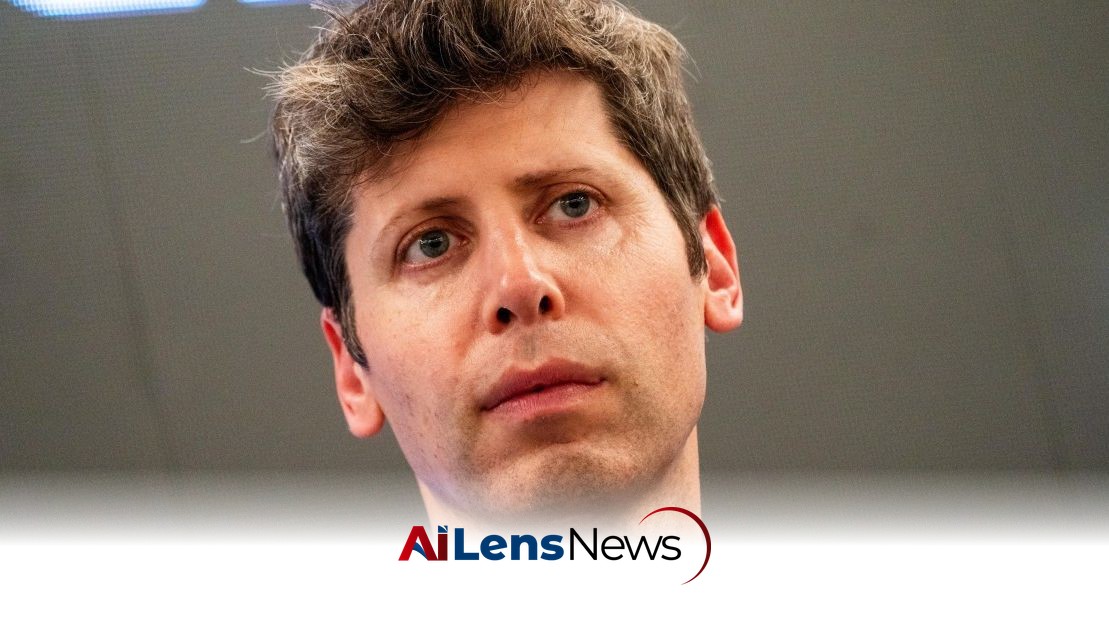


Apple's lawsuit against OpenAI reveals shocking claims of corporate espionage, including requests for confidential materials during job interviews and unauthorized access to sensitive data.
Washington DC, United States Jul 13, 2026 ALN: Apple, a leading technology giant known for its innovation and strict corporate policies, has initiated a lawsuit against OpenAI, a prominent player in the field of artificial intelligence. This lawsuit is not just a routine legal matter; it brings to light serious allegations that suggest a breach of trust and ethical standards within the tech industry. The 41-page complaint filed by Apple outlines a series of shocking claims that point towards potential corporate espionage and unethical practices purportedly employed by OpenAI.
The crux of the lawsuit revolves around three key individuals who were formerly associated with Apple and have since transitioned to roles at OpenAI. These individuals are:
According to Apple's allegations, these three individuals conspired to steal trade secrets from Apple, particularly as OpenAI gears up to launch its first AI hardware device in the coming year. The implications of this lawsuit are far-reaching, not only for the companies involved but also for the broader tech industry, where intellectual property is a cornerstone of competitive advantage.
One of the more alarming claims in the lawsuit pertains to Chang Liu, who, after announcing his departure from Apple, allegedly failed to return an Apple-owned computer. This computer reportedly contained sensitive information, and Apple claims Liu continued to access the company’s cloud storage even after leaving. The lawsuit states that Liu downloaded numerous confidential files, which included technical specifications and details about unreleased products, raising serious concerns about the potential misuse of proprietary information.
Following Liu's exit from Apple, Yu-Ting Peng is accused of maintaining a line of communication with Liu, effectively keeping him informed about ongoing projects and engineering details at Apple. Apple alleges that this flow of information allowed Liu to leverage Apple's trade secrets in his new role at OpenAI, effectively constituting corporate espionage. This raises significant questions about the ethical boundaries of employee transitions between competing companies, especially in high-stakes industries like technology.
Tang Tan, in his capacity as a hiring manager at OpenAI, allegedly took the unethical step of soliciting confidential information from job candidates during interviews. According to Apple, Tan asked candidates about Apple’s top-secret projects, which could potentially lead to OpenAI gaining an unfair advantage in the competitive landscape of AI hardware development. This practice, if proven true, not only violates ethical hiring practices but also undermines the trust that employees place in their former employers.
In what can only be described as an unusual and troubling request, Tan reportedly instructed interviewees to bring hardware components and product samples from their work at Apple for “show and tell” sessions. This included specific requests for parts such as batteries and logic boards, which could provide OpenAI with insights into Apple’s proprietary technology. Such requests raise ethical concerns about the boundaries of acceptable behavior in recruitment and the lengths to which companies may go to gather competitive intelligence.
Apple's lawsuit further alleges that OpenAI actively coached its new employees, including Liu and Peng, on how to bypass security measures and avoid detection during the offboarding process from Apple. This included advice on how to circumvent immediate removal from Apple’s systems, which implies a premeditated strategy to retain access to sensitive information even after leaving the company. This aspect of the lawsuit highlights the critical importance of cybersecurity and the potential vulnerabilities that can be exploited during employee transitions.
In a particularly alarming allegation, Apple claims that Liu accessed the company’s network weeks after his departure, exploiting an authentication vulnerability. This unauthorized access suggests a deliberate intent to misuse Apple’s confidential information. Moreover, it is reported that Liu celebrated this breach with Peng, further indicating a conspiracy to exploit Apple’s trade secrets. Such actions not only breach legal and ethical standards but also pose significant risks to the integrity of corporate information systems.
The implications of this lawsuit extend beyond the immediate parties involved. As the tech industry continues to evolve rapidly, the competition for innovative technologies and intellectual property is fiercer than ever. This case raises critical questions about the ethical boundaries of corporate behavior, particularly in industries where proprietary information is a key asset. Apple’s decision to pursue legal action underscores its commitment to protecting its intellectual property and the lengths it is willing to go to safeguard its innovations.
As the lawsuit unfolds, it is likely to attract significant attention from legal experts, corporate ethics advocates, and industry observers alike. The outcome of this case could set important precedents regarding employee conduct, trade secret protection, and corporate espionage in the technology sector. Apple is seeking damages and an injunction to halt OpenAI's alleged practices, emphasizing the need for stringent protections around intellectual property in an increasingly competitive marketplace.
In conclusion, the allegations presented in Apple's lawsuit against OpenAI illuminate the complex interplay between innovation, competition, and ethical conduct in the technology industry. As companies strive to maintain their competitive edge, the importance of adhering to ethical standards and protecting intellectual property cannot be overstated. The resolution of this case will likely have lasting implications for how tech companies navigate the challenges of employee transitions and the safeguarding of sensitive information.
To learn more about the latest developments in Artificial Intelligence, stay updated with our exclusive reports and analyses on AiLensNews.

