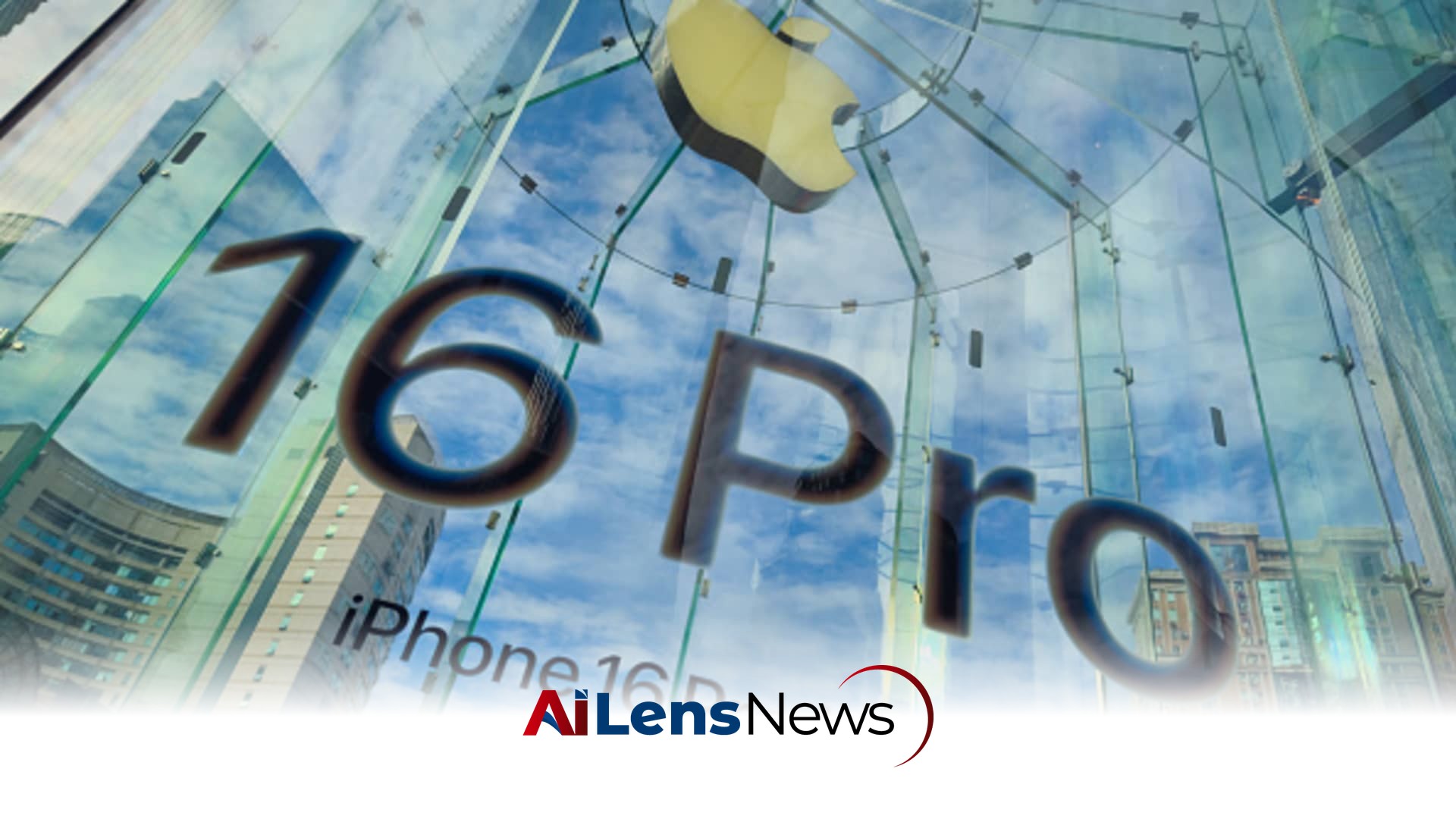


Apple's iPhone 16 launch propels the company back into the top five smartphone rankings in China, despite fierce competition from Huawei.
Washington DC, United States Oct 25, 2024 ALN: Apple has successfully made a comeback in the competitive Chinese smartphone market, regaining a spot in the top five rankings thanks to the recent launch of its iPhone 16. This resurgence highlights the ongoing battle between Apple and Huawei, as both companies vie for dominance in one of the world's largest smartphone markets. The Chinese smartphone market has long been a critical battleground for global tech giants, given its vast consumer base and rapid technological advancement. As the demand for smartphones continues to grow, companies are increasingly focusing on innovation and consumer preferences to capture market share.
The introduction of the iPhone 16 has been a significant factor in Apple's resurgence. The new model features enhanced specifications and innovative technology that appeal to consumers. Analysts have noted that the iPhone 16's advanced camera capabilities and improved battery life have attracted a considerable number of buyers, contributing to Apple's regained market position. The iPhone 16 also incorporates features such as enhanced processing power, which allows for smoother multitasking and improved performance in gaming and other demanding applications. Additionally, the device's design reflects a modern aesthetic that resonates well with younger consumers, further boosting its appeal.
Furthermore, Apple has strategically positioned its marketing efforts to emphasize the unique features of the iPhone 16, including its integration with the Apple ecosystem. The seamless connectivity between the iPhone, iPad, and other Apple devices enhances user experience, making it a compelling choice for existing Apple users looking to upgrade. This ecosystem approach not only encourages brand loyalty but also attracts new customers who value the interconnectedness of their devices.
Despite Apple's return to the top five, Huawei continues to lead the market with impressive sales figures. The company has maintained its competitive edge through aggressive pricing strategies and a strong focus on local consumer preferences. Huawei's latest models have resonated well with Chinese consumers, further solidifying its position as a market leader. The brand's emphasis on high-quality hardware at lower price points has made it particularly appealing in a market where cost sensitivity is a significant factor for many buyers.
Moreover, Huawei has invested heavily in research and development, leading to innovative features that cater specifically to the needs of Chinese consumers. For instance, Huawei's smartphones often include advanced photography capabilities, which are particularly popular among the younger demographic that values social media and content creation. The company's ability to rapidly adapt to changing consumer preferences and trends has kept it at the forefront of the market.
The smartphone market in China is characterized by rapid changes and intense competition. Brands like Xiaomi and Oppo also play significant roles, constantly innovating to capture consumer interest. Xiaomi, for instance, is known for its aggressive pricing and high-quality devices, making it a formidable competitor to both Apple and Huawei. Oppo, on the other hand, has focused on camera technology and design, appealing to a fashion-conscious consumer base. As a result, Apple and Huawei must continuously adapt their strategies to maintain and grow their market shares.
The competitive landscape is further complicated by the presence of numerous domestic brands that offer a variety of options at different price points. This diversity in the market forces established players like Apple to rethink their pricing strategies and product offerings. In recent years, Apple has made moves to introduce more affordable models, such as the iPhone SE, to attract budget-conscious consumers who might otherwise opt for local brands.
Looking ahead, both Apple and Huawei are expected to continue their rivalry. With upcoming product launches and advancements in technology, the competition is likely to intensify. Analysts predict that consumer preferences will evolve, and companies will need to stay ahead of trends to succeed in this dynamic market. The shift towards 5G technology, for example, is expected to play a significant role in the future of the smartphone market. As more consumers upgrade to 5G-capable devices, both Apple and Huawei will need to ensure their offerings meet the technical demands and expectations of users.
Moreover, the integration of artificial intelligence (AI) and machine learning into smartphone technology is another area of focus. Companies are exploring how these technologies can enhance user experience, from improved camera functionality to smarter virtual assistants. As competition heats up, the ability to leverage AI effectively could become a key differentiator in the market.
In conclusion, while Apple has made a notable comeback with the iPhone 16, Huawei's strong performance indicates that the battle for supremacy in the Chinese smartphone market is far from over. Both companies will need to innovate and respond to consumer demands to secure their positions in this highly competitive landscape. As the market continues to evolve, the strategies employed by these tech giants will be critical in shaping the future of smartphones in China and beyond.
The smartphone market in China has undergone significant transformations over the past decade. Initially dominated by local brands, the entry of international players like Apple and Samsung shifted the competitive dynamics. Apple's iPhone, launched in 2007, was a game-changer, setting new standards for smartphone design and functionality. However, as local manufacturers began to innovate and offer competitive pricing, Apple's market share began to decline.
Huawei, in particular, emerged as a formidable competitor, leveraging its strengths in research and development to create devices that appealed to a broad range of consumers. The company’s rise was fueled by its ability to offer high-quality smartphones at various price points, making it accessible to both premium and budget-conscious consumers. This adaptability has allowed Huawei to capture significant market share, often outperforming Apple in terms of sales within China.
Understanding consumer preferences in China is crucial for any smartphone manufacturer aiming to succeed in this market. Chinese consumers are known for their keen interest in technology and innovation, often seeking the latest features and functionalities in their devices. Additionally, there is a strong emphasis on photography capabilities, as social media platforms like WeChat, Douyin, and Weibo are immensely popular, driving demand for smartphones with advanced camera systems.
Moreover, brand loyalty plays a significant role in consumer purchasing decisions. Many consumers in China are inclined towards brands that resonate with their lifestyle and values. Apple's brand image, characterized by quality and prestige, continues to attract a loyal customer base. However, local brands like Huawei, Xiaomi, and Oppo are also building strong brand identities that appeal to younger consumers, focusing on value for money and cutting-edge technology.
The intense competition in the Chinese smartphone market has broader implications beyond just sales figures. It drives innovation, leading to faster technological advancements and improved consumer experiences. As companies strive to outdo each other, consumers benefit from a wider range of options and better products. This competitive environment also encourages manufacturers to invest in sustainable practices and ethical sourcing, as consumers increasingly demand transparency and responsibility from the brands they support.
Furthermore, the rivalry between Apple and Huawei has geopolitical implications, especially considering the ongoing tensions between the United States and China. Trade policies and regulations can significantly impact the operations of these companies, influencing their supply chains, pricing strategies, and market access. As such, the dynamics of the smartphone market in China are not only shaped by consumer preferences but also by broader economic and political factors.
As Apple continues to navigate the complexities of the Chinese smartphone market, it must remain vigilant and adaptable. The launch of the iPhone 16 is a positive step, but sustained success will require ongoing innovation and responsiveness to consumer needs. Apple should consider expanding its product range to include more budget-friendly options while maintaining the premium quality that its brand is known for.
Additionally, enhancing the integration of services within the Apple ecosystem can further solidify customer loyalty. By creating a seamless experience across devices, Apple can differentiate itself from competitors who may offer similar hardware at lower prices. Fostering partnerships with local developers and content creators can also enhance the value proposition for Chinese consumers, ensuring that Apple remains relevant in this fast-evolving market.
In summary, while the competition between Apple and Huawei is fierce, the future of the smartphone market in China presents both challenges and opportunities. Companies that can effectively innovate, understand consumer preferences, and adapt to changing market dynamics will be best positioned for success in this vibrant and rapidly changing landscape.
To learn more about the latest developments in Gadgets & Devices, stay updated with our exclusive reports and analyses on AiLensNews.

