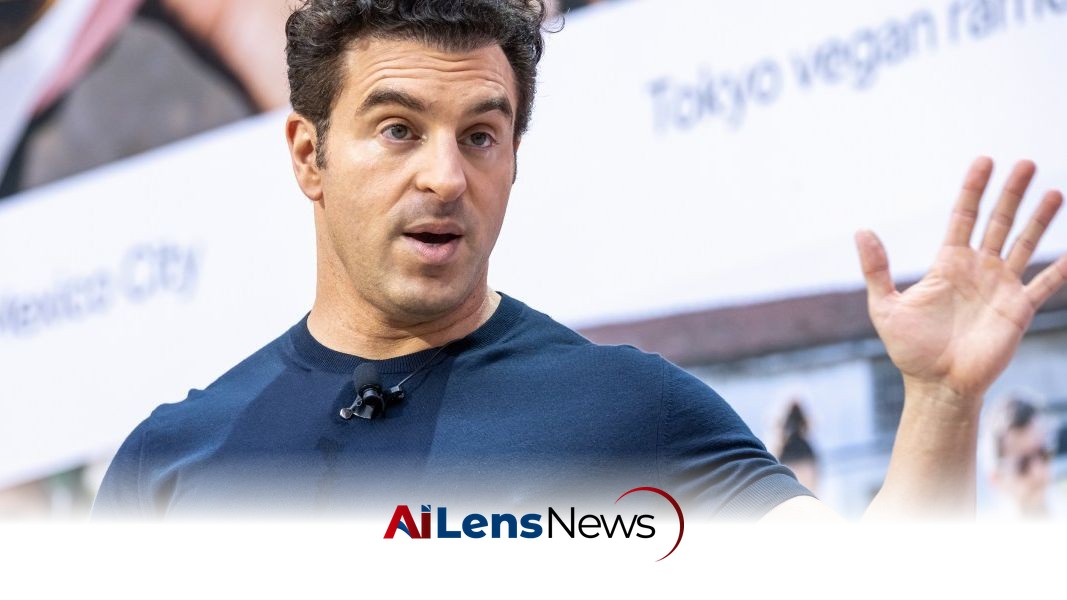


Brian Chesky's X account was hacked, leading to a series of AI-generated tweets about crypto tokenization, raising concerns about trust and content quality.
Washington DC, United States Jul 17, 2026 ALN: Airbnb cofounder and CEO Brian Chesky appears to have been the target of a cyberattack, according to sources familiar with the situation. On Monday, Chesky’s X account shared a multi-post thread promoting a bullish view on “real-world asset tokenization,” a term from the crypto world that describes converting traditional assets like stocks into digital tokens. This incident has raised questions about the security of social media accounts, particularly those belonging to prominent figures in the business world.
“I’ve been quietly keeping an eye on real-world asset tokenization for a while now,” the account wrote in the now-deleted series of tweets. “Most of it is noise. But underneath the noise, something real is happening.” This statement reflects a growing interest in the intersection of traditional finance and blockchain technology. Tokenization has been touted as a way to democratize access to investment opportunities, enabling fractional ownership of assets that were previously only available to wealthy individuals or institutions.
Chesky is an active user of X, where he routinely shares product updates, earnings commentary, and lessons from building Airbnb with his more than 1.2 million followers. His engagement with followers has often been characterized by a willingness to receive feedback and suggestions, as seen in his previous calls for ideas on how to improve Airbnb’s services. He has even used the platform to crowdsource suggestions for business improvements, such as lowering cleaning fees and, ironically, crypto payments, which earned praise from X owner Elon Musk. “This kind of interaction with users is awesome,” Musk wrote in response to the 2023 call for ideas, urging other companies to take note. Commentary from Chesky on crypto is out of character for his accounts, which typically focus on travel, hospitality, and corporate strategies.
This week, however, Chesky’s replies were filled with accusations of “AI slop,” a term that describes low-quality content produced by artificial intelligence. The phrase has gained traction as more users express frustration with the oversaturation of mediocre AI-generated content across social media platforms. Users pointed out aspects of the Chesky “tokenization” post that suggested it had been generated by AI. “One thing that really makes AI writing distinct is the lack [of] commas,” Bloomberg’s Joseph Weisenthal noted, highlighting how AI-generated text often lacks the nuanced punctuation that human writers typically employ.
Communications strategist and Rostra founder Lulu Cheng Meservey warned that “CEOs damage trust when they post unfiltered claudeslop.” The implications of this statement are significant, as trust is a crucial element in the relationship between corporate leaders and their stakeholders. When high-profile individuals like Chesky post content that appears to be low-quality or inauthentic, it can lead to a deterioration of trust among their followers and the public.
When analyzed through AI-detection tool Pangram, Chesky’s thread was flagged as 100% AI-generated. The posts have since been deleted, and Airbnb declined to provide a public comment. This incident raises important questions about the authenticity of content shared by influential figures and the potential repercussions of relying on AI tools for communication.
The thread appeared as a reply to a user referencing Robinhood CEO Vlad Tenev’s recent interview with CNBC, in which he discussed the growing market for tokenized real-world assets. This connection underscores the rising interest in tokenization within the financial sector, as more companies explore the potential benefits of integrating blockchain technology into their business models.
Chesky has previously praised the use of artificial intelligence, telling CNBC in February that the tech “is the best thing that ever happened to Airbnb.” The serial founder is also preparing to launch a new AI lab focused on building new models, according to Bloomberg. However, the surge of low-quality AI-generated content is becoming a significant concern for both business leaders and creatives. The volume of mediocre images, videos, and text has grown so overwhelming that Merriam-Webster named “slop” its 2025 word of the year, highlighting the cultural shift towards recognizing the impact of AI on content creation.
A new analysis by AI detection platform Pangram found that roughly one in four long-form social media posts are now AI-generated, with nearly half of X’s longer “Articles” containing AI-written material. This trend poses challenges for content creators and marketers who strive to produce high-quality, engaging material that resonates with audiences. As AI-generated content becomes more prevalent, distinguishing between human-generated and machine-generated content is increasingly difficult.
Leaders across industries are expressing concern. Substack CEO Chris Best warned in September that AI could clutter already crowded feeds with low-quality content, straining an attention economy he referred to as a “scarce resource.” The implications of this statement are profound, as attention spans continue to dwindle in the face of an overwhelming amount of content vying for consumers' attention. YouTube CEO Neal Mohan dedicated a section of his annual letter to “managing AI slop,” declaring it a top priority for 2026. This proactive approach reflects a growing recognition among executives that addressing the challenges posed by AI-generated content is essential for maintaining user engagement and satisfaction.
Oscar-winning director Christopher Nolan recently stated that Gen Zers are “utterly rejecting” AI slop with immediate and harsh reactions. “They see it for what it is very quickly,” Nolan said. “It’s much easier for them to identify it, because it grew out of an online world they know really well.” This generational divide highlights the differing attitudes towards AI content, with younger audiences being more discerning and critical of low-quality material. Brands and creators must navigate this landscape carefully to avoid alienating their target demographics.
A report from social media management platform Sprout Social found that 56% of respondents say they encounter “AI slop” on social media often or very often, with 83% seeing it at least sometimes. Gen Z is more likely to rebuff the content, with half of respondents stating they have unfollowed, muted, or blocked accounts if the content felt like AI slop. This behavior underscores the importance of authenticity and quality in content creation, as audiences increasingly seek genuine connections with brands and creators.
Chesky is not the first CEO to have a social media account compromised. In 2016, Meta founder Mark Zuckerberg’s Twitter, LinkedIn, and Pinterest accounts were briefly hacked by a group called OurMine Team. This incident raised concerns about the security of high-profile accounts and the potential for misinformation to spread rapidly through compromised channels. In 2019, Twitter founder Jack Dorsey’s account was taken over for 20 minutes, leading the platform to permanently disable its “text-to-tweet” (SMS) feature. Such incidents highlight the vulnerabilities that exist within social media platforms and the need for robust security measures to protect users, particularly those in influential positions.
As the digital landscape evolves, the security of high-profile individuals remains a pressing concern, particularly as the prevalence of AI-generated content continues to rise. The need for companies to invest in cybersecurity measures is more critical than ever, as the consequences of a compromised account can extend beyond personal embarrassment to potential financial repercussions and damage to brand reputation. As the lines between human and AI-generated content blur, ensuring the authenticity and security of communications will be paramount for leaders in the digital age.
To learn more about the latest developments in Artificial Intelligence, stay updated with our exclusive reports and analyses on AiLensNews.

