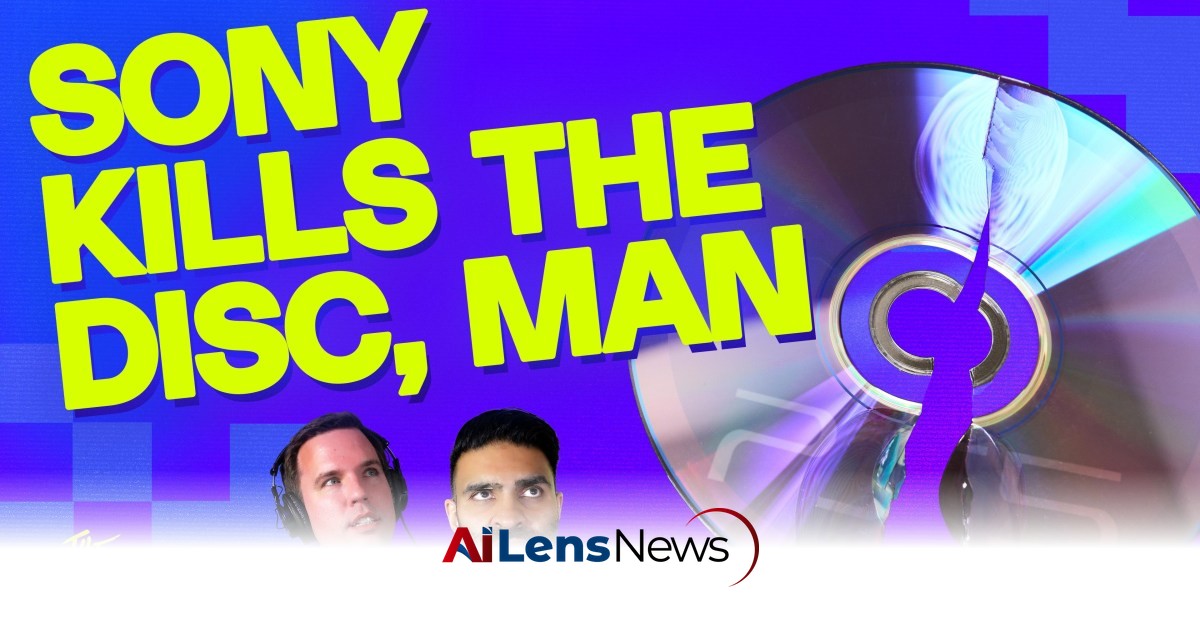


As Sony plans to end production of PlayStation discs, the gaming industry faces a shift towards digital media, impacting how games are bought and shared.
New Delhi, India Jul 3, 2026 ALN: For decades, to be a gamer was to accumulate a lot of stuff. Consoles, controllers, accessories, weird VR gloves that never worked properly, but mostly the games themselves. This accumulation of physical items has been a hallmark of gaming culture, where owning a collection of games was not only a point of pride but also a tangible connection to the experiences and memories associated with those titles. From the early days of cartridges and floppy disks to the more recent era of DVDs and Blu-rays, physical game media has been a constant presence in the lives of gamers. However, as nology has progressed, the way we consume and interact with games has evolved, leading to a significant shift in the gaming landscape. And now that era appears to be ending.
On this episode of The cast, David and Nilay delve into Sony’s recent announcement regarding its plan to end production of PlayStation discs. This decision marks a significant turning point in the gaming industry, as it reflects a broader trend towards digital distribution. Sony, a major player in the gaming market, has historically relied on physical media as a primary means of delivering games to consumers. However, with the rise of digital platforms and the increasing popularity of online gaming, the company is now pivoting towards a more digitized approach. This shift is not merely a response to changing consumer preferences but also a strategic move to streamline operations and reduce costs associated with physical media production.
Microsoft has also been actively pursuing a strategy for digitizing games, which has included initiatives such as the Xbox Game Pass service. This subscription-based model allows gamers to access a vast library of titles for a monthly fee, eliminating the need for physical copies altogether. As both companies navigate this transition, they are not only looking to enhance profitability but also to adapt to the realities of a market increasingly dominated by digital consumption.
The implications of this shift are profound. For one, it alters the way games are bought, shared, and consumed. Digital distribution offers convenience and instant access, allowing players to download games directly to their consoles or PCs without the need to visit a store or wait for shipping. However, this convenience comes at a cost. Without physical copies, gamers lose the ability to lend, trade, or sell their games, fundamentally changing the ownership model. This raises questions about the long-term value of digital purchases and the rights of consumers in a landscape where ownership is often defined by licenses rather than physical possession.
Furthermore, the transition to digital media raises concerns about game preservation. Physical copies of games can be stored, archived, and shared, but digital titles are often tied to specific platforms and accounts. As companies change their business models or discontinue services, there is a risk that many games could become inaccessible over time. This potential loss of access to beloved titles poses a challenge for future generations of gamers who may wish to experience the history of gaming.
In addition to the discussions surrounding the end of physical game media, the hosts also touch on various gadget news, including OpenAI’s upcoming gadget launch. The nology landscape is constantly evolving, with new innovations emerging that have the potential to reshape how we interact with the digital world. While specific details about OpenAI’s gadget remain under wraps, the anticipation surrounding such launches highlights the ongoing intersection of nology and gaming.
Moreover, the episode addresses the purported leaks of the iPhone 18 Pro and examines the state of the iPhone lineup in general. As smartphones continue to integrate gaming capabilities, the competition among giants to capture the attention of consumers is fierce. The gaming industry is increasingly intertwined with mobile nology, and developments in smartphones can have significant implications for gaming experiences, accessibility, and the overall market landscape.
As the conversation shifts to whether anyone is actually going to replace your keyboard anytime soon, it reflects a broader discussion about the evolution of input devices in gaming and nology. Innovations in user interface design and input methods have the potential to enhance gaming experiences, making them more immersive and accessible to a wider audience. However, the traditional keyboard and mouse setup remains a staple in many gaming environments, raising questions about the balance between innovation and familiarity.
Finally, in the lightning round, the hosts cover a variety of topics, including the Hype Desk, Brendan Carr's controversial remarks, breaking SpaceX phone news, and the peculiar design of BMW headlights. This segment serves as a light-hearted conclusion to the episode while also highlighting the diverse range of topics that intersect with gaming culture and nology.
In case you missed it this week, the show also started a vibe coding challenge, checked in on the future of InfoWars, and explained why the R2 model matters so much to Rivian. These discussions reflect the dynamic nature of the and gaming industries, where new challenges and opportunities arise regularly. The call for listener engagement is a reminder that the conversation surrounding gaming and nology is not just for industry insiders but for everyone who has a stake in the future of these rapidly evolving fields.
As the gaming industry continues to navigate this transition towards digital media, it is essential for consumers to stay informed about the implications of these changes. The end of physical game discs may signal a new era in gaming, but it also raises important questions about ownership, accessibility, and the preservation of gaming history. As we move forward, it will be crucial for gamers, developers, and industry leaders to engage in discussions about how to best navigate this evolving landscape while ensuring that the essence of gaming remains intact.
To learn more about the latest developments in Software & Platforms, stay updated with our exclusive reports and analyses on AiLensNews.

