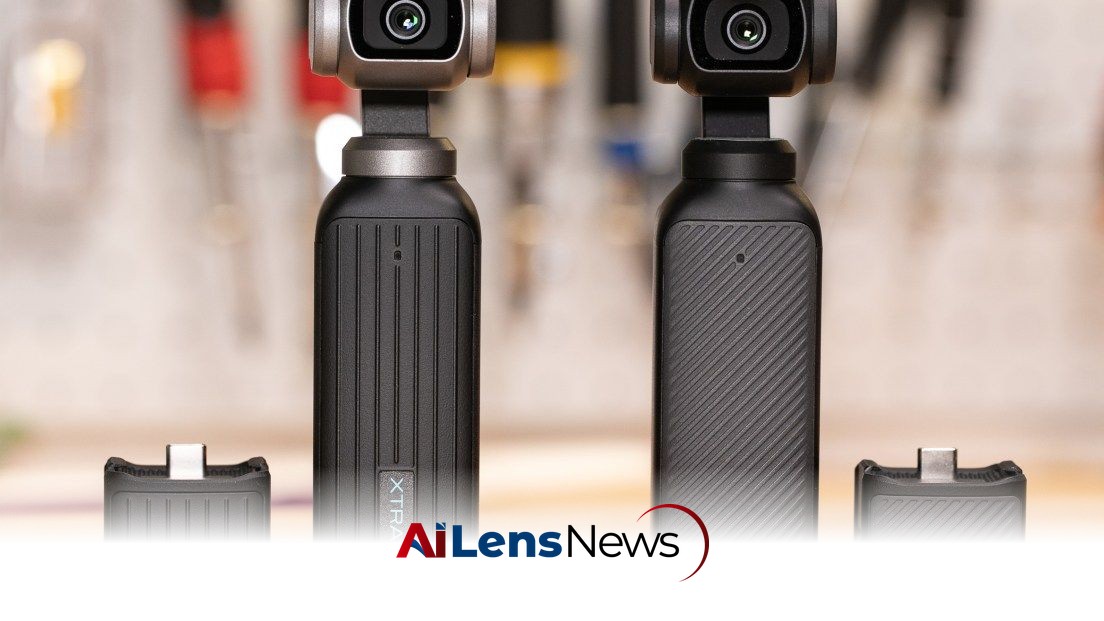


The FCC fines eight companies linked to DJI for violating the foreign drone ban, giving them a short window to respond before further action is taken.
New Delhi, India Jul 11, 2026 ALN: In recent developments, the Federal Communications Commission (FCC) has intensified its scrutiny of certain companies suspected of facilitating the entry of DJI products into the United States, circumventing the foreign drone ban implemented due to national security concerns. This crackdown follows previous reports highlighting how companies like Xtra and Skyrover have allegedly acted as intermediaries, allowing DJI’s popular drones and cameras to reach consumers in the U.S. despite the restrictions in place.
The enforcement actions taken by the FCC are part of a broader strategy to safeguard American airspace and telecommunications from potential threats posed by foreign adversaries, particularly China. The agency has imposed fines of $25,000 each on eight companies identified as front entities for DJI, demanding responses to their inquiries within a tight deadline of ten calendar days. The companies facing penalties include Cogito, Fixaxo nology, Lyno Dynamics, Skyhigh, Spatial Hover, SZ Knowact, WaveGo (associated with Skyrover), and Xtra nology. The fines were levied primarily for failing to respond to the FCC's initial communications, raising concerns about compliance and accountability in the drone market.
The FCC's authority to regulate devices that utilize radio frequencies in the United States is well-established. To import, sell, and market any such device, FCC authorization is required, particularly concerning the device's radio components. On December 22, 2022, the FCC expanded its Covered List to include all foreign drone manufacturers, which effectively barred these companies from obtaining authorization due to perceived national security risks. This decision was rooted in the growing concerns about the potential for foreign-made drones to be used for espionage or other malicious activities.
In a significant move, the FCC also granted itself retroactive authority to ban products that had previously received authorization if they were found to contain components from any company on the Covered List. This means that even if a device had been cleared for sale in the past, the discovery of a component linked to a banned entity could lead to its prohibition in the U.S. market. For instance, if a camera includes a DJI radio transmitter, the FCC could take steps to halt its sale, importation, and marketing within the United States.
This spring, the FCC initiated an investigation into the companies suspected of marketing radio equipment that falls under the Covered List. As of now, none of the companies have responded to the FCC's inquiries, which raises questions about their operations and the transparency of their business practices. The lack of communication from these companies may suggest either a disregard for regulatory compliance or an attempt to navigate the complex landscape of drone sales in the U.S.
In addition to investigating the companies themselves, the FCC is also looking into the test laboratories that assisted these companies in obtaining FCC certification for their products. Notably, the DJI Osmo Pocket 4 and 4 Pro were certified through SGS-CTST Standards nical Services Co. However, the FCC has announced its intention to disqualify this lab due to its connections to Chinese ownership, which further complicates the regulatory landscape for DJI and its associated brands.
"SGS Shenzhen is subject to 15% ownership by China Standard Science & nology Group Company Limited, which itself is wholly-owned by the China National Institute of Standardization. The U.S. Department of Commerce has determined that the People’s Republic of China (PRC) is a foreign adversary."
This statement underscores the U.S. government's position regarding the potential risks associated with Chinese nology and its implications for national security. The scrutiny of test labs and their affiliations is a critical part of the FCC's broader strategy to ensure that all products entering the U.S. market meet stringent safety and security standards.
Among the companies under investigation, Xtra has emerged as one of the most prominent examples of a potential front for DJI. The company has engaged in aggressive marketing tactics, promoting influencer videos that favorably compare its products, such as the Xtra Muse, to DJI’s Osmo Pocket 3. Currently, Xtra is taking deposits for an upcoming product, the "Xtra Muse 2 Pro," which bears a striking resemblance to the DJI Pocket 4 Pro. Their marketing slogan, "From Pocket to Pro," suggests a direct attempt to capitalize on DJI’s established brand recognition while positioning themselves as a viable alternative.
However, the future of Xtra’s products in the U.S. market remains uncertain. Although Xtra managed to navigate the FCC's regulatory environment to bring the Osmo Pocket 4 Pro into the country ahead of the ban, the current absence of documentation for both DJI and Xtra in the FCC's search engine raises red flags. This situation highlights the complexities and challenges that companies face when attempting to operate within the confines of U.S. regulations, especially in an environment where compliance is rigorously enforced.
As the FCC continues to investigate these companies and their practices, significant questions loom regarding the future of DJI products in the U.S. market. The ongoing regulatory scrutiny may not only impact the availability of DJI's cameras and drones but could also have broader implications for the entire drone industry, particularly for companies that rely on foreign nology or components. The crackdown signifies a shift toward stricter enforcement of national security regulations, which may lead to increased challenges for foreign manufacturers seeking to enter or remain in the U.S. market.
In conclusion, the FCC's recent actions against these companies represent a critical step in enforcing the foreign drone ban and ensuring compliance with national security regulations. As the agency continues its investigations, the outcomes will likely shape the future landscape of drone sales and nology in the United States, affecting both consumers and manufacturers alike. The implications of this crackdown extend beyond DJI, signaling a broader commitment to safeguarding American interests in the face of evolving nological challenges.
To learn more about the latest developments in Robotics & Automation, stay updated with our exclusive reports and analyses on AiLensNews.

