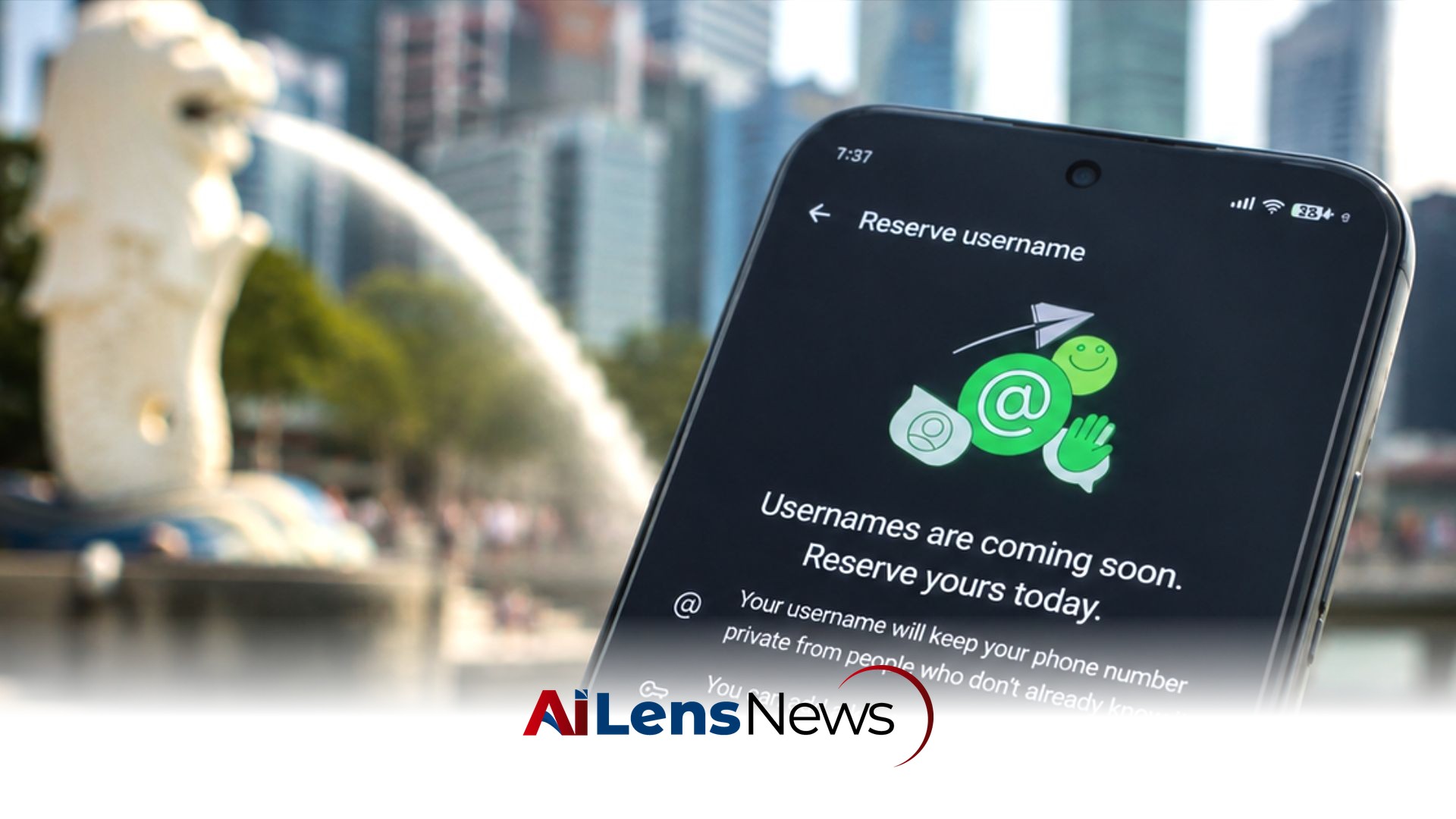


WhatsApp has reserved usernames of Singapore's political leaders to prevent impersonation scams as it prepares to roll out a new privacy feature.
Singapore, Singapore Jul 13, 2026 ALN: WhatsApp has begun the process of reserving high-profile usernames in anticipation of the launch of its new username feature. This proactive measure is particularly significant as it involves blocking the names of several prominent Singapore political leaders from public registration, a move aimed at enhancing user security and privacy.
Usernames that correspond to key figures in the Singapore government, including Prime Minister Lawrence Wong, Minister for Home Affairs K. Shanmugam, Minister for Health Ong Ye Kung, and Minister for Foreign Affairs Vivian Balakrishnan, have been effectively reserved. Additionally, variations of these names have also been set aside to mitigate the risk of impersonation and fraudulent activities. According to reports from Channel NewsAsia (CNA), this action was taken to prevent potential impersonators from misleading users before the new feature is fully rolled out.
The decision by Meta-owned WhatsApp to reserve usernames associated with public figures and government entities is a strategic move aimed at protecting the integrity of communications on the platform. By ensuring that only legitimate owners can claim these usernames, WhatsApp hopes to bolster trust among its user base, particularly in a time when concerns over privacy and security are paramount.
Moreover, the company has taken the precaution of reserving lookalike versions of these usernames. This step is crucial in making it more challenging for scammers or impersonators to create convincing fake accounts that could deceive users. The implications of this move extend beyond mere username reservations; it reflects a broader commitment by WhatsApp to enhance user safety in an increasingly digital world.
As part of the new feature, users will have the ability to reserve their preferred usernames before the feature is fully operational in their country. WhatsApp has indicated that it will notify users when the option to create and use usernames becomes available, thereby facilitating a smoother transition to this new communication style.
The introduction of the username system is designed to provide users with an alternative method of communication that does not require the sharing of personal phone numbers. This feature is particularly relevant in an era where privacy concerns are at the forefront of user preferences. The growing emphasis on privacy is partly driven by increasing awareness of data breaches and unauthorized access to personal information, which has made users more cautious about how they share their contact details.
When a user receives a message from someone via their username for the first time, WhatsApp will display important details about the sender. This includes information on whether the account is new, if it is already in the recipient’s contacts, if they share mutual group chats, or if the sender is based in another country. Such transparency is intended to aid users in assessing the trustworthiness of incoming messages, thus enhancing the overall security of interactions on the platform. This feature aligns with WhatsApp's broader strategy to prioritize user safety and foster a secure communication environment.
Despite the introduction of usernames, it is important to note that users will still need a phone number to create and maintain a WhatsApp account. Furthermore, anyone wishing to send a message will need to know the recipient’s exact username, which adds a layer of specificity to the communication process. This requirement is intended to prevent unsolicited messages and enhance user control over who can reach them. The ability to share usernames instead of phone numbers is expected to appeal to users who are wary of sharing their personal information with unknown contacts.
In addition to these features, WhatsApp has announced that it will implement limitations on how many new contacts an account can reach out to, thereby reducing the potential for spam or harassment. The platform will also prevent repeated attempts to guess usernames and employ automated systems to detect impersonation and abusive behavior. These measures collectively aim to create a safer environment for users as they navigate their communications on the app. This proactive approach reflects an understanding of the evolving nature of online threats and the need to adapt strategies accordingly.
The new username feature has garnered attention not only in Singapore but also internationally. In India, for instance, authorities have expressed concerns regarding the potential for increased fraud and impersonation associated with the rollout. The Indian Ministry of Home Affairs has requested that Meta pause the implementation of the feature until it can provide a comprehensive explanation of how it plans to mitigate these risks. This reflects a growing apprehension among governments about the implications of new digital communication features, especially in regions where cybercrime is a significant issue.
Cyber fraud has emerged as a significant issue in India, with victims reporting losses amounting to approximately S$3.4 billion in 2025. The ministry has also recorded around 2.4 million complaints related to cybercrime, reflecting a substantial increase of approximately 24 percent from the previous year. In this context, a verified-looking username can appear convincingly legitimate, especially if it closely resembles that of a trusted public figure or organization. This reality underscores the importance of robust security measures and user awareness in combating online fraud. The Indian government's request for a pause highlights the need for thorough risk assessments when introducing new digital features.
While WhatsApp’s early reservation of high-profile names may not eliminate all potential scams, it does serve to remove one obvious opportunity for impersonators. The effectiveness of security tools is enhanced by user vigilance; individuals must remain proactive in verifying the identities of those they communicate with before disclosing any personal information. This is especially critical in a digital landscape where impersonation and fraud are increasingly sophisticated. Enhancing user education about potential risks and promoting best practices for online safety will be essential as the platform evolves.
In conclusion, WhatsApp's initiative to reserve usernames linked to prominent figures in Singapore is a significant step toward enhancing user privacy and security. As the platform prepares to roll out its new feature, the implications for communication, trust, and safety in the digital realm are profound. The measures taken to prevent impersonation and fraudulent activities reflect a growing awareness of the challenges posed by cybercrime and the need for innovative solutions to protect users in an ever-evolving digital landscape. As users adapt to these changes, the importance of remaining informed and vigilant cannot be overstated, ensuring that the benefits of new features are realized without compromising personal security.
To learn more about the latest developments in Software & Platforms, stay updated with our exclusive reports and analyses on AiLensNews.

