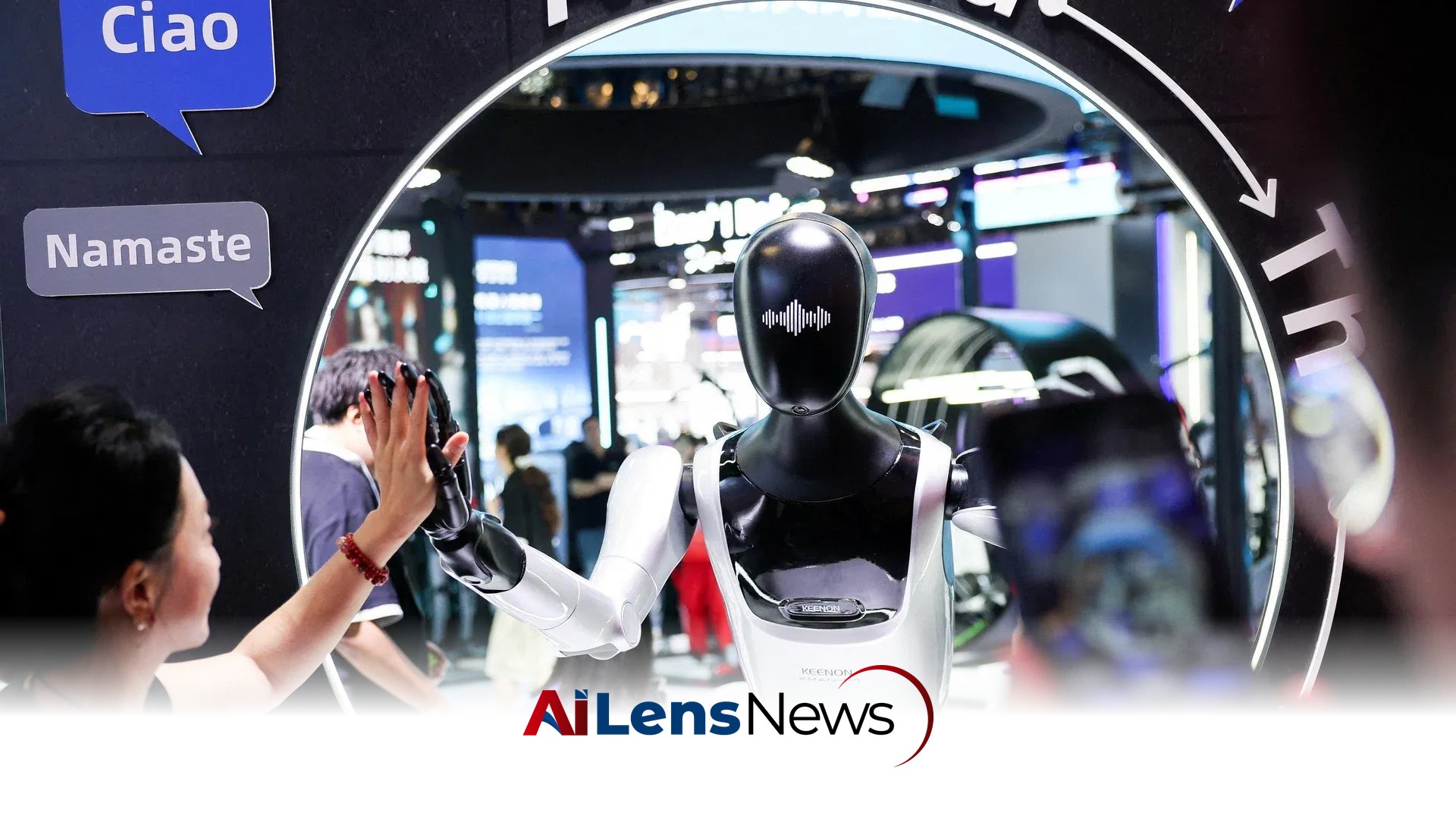


Chinese authorities are contemplating tighter export regulations on advanced AI models and semiconductor technologies to safeguard national interests.
Singapore, Singapore Jul 21, 2026 ALN: Chinese authorities are reportedly considering tightening export controls on artificial intelligence (AI) and semiconductor technologies, according to a recent report from the Financial Times. This potential regulatory shift reflects a broader strategy by Beijing to safeguard its domestic advancements in AI and semiconductor technologies, marking a significant development in the ongoing global competition for technological supremacy.
The move is indicative of China's recognition of advanced AI as a critical national asset, similar to the stance taken by the United States. As nations worldwide continue to invest heavily in AI and related technologies, the ability to control the export of such innovations has become a focal point for national security and economic competitiveness. The implications of these developments are profound, as they could reshape the landscape of international technology trade and cooperation.
Earlier in July, Reuters reported that Chinese authorities had convened meetings with leading technology firms to discuss the possibility of restricting overseas access to the country’s most advanced AI models, including those that have not yet been publicly released. This proactive approach highlights the urgency with which the Chinese government is addressing the potential risks associated with foreign access to its cutting-edge technologies.
Regulators from China’s Ministry of Commerce have been engaging with key players in the domestic AI and semiconductor sectors, such as Alibaba, ByteDance, and Zhipu, to explore strategies for preventing the acquisition of Chinese technological innovations by Western companies. These discussions are critical, as they underscore the government’s commitment to protecting its intellectual property and maintaining a competitive edge in the global market.
One of the primary concerns for Chinese regulators is the transfer of key data necessary for training AI models. The Ministry of Commerce has reportedly sought input from AI companies on how to limit the ability of foreign entities to access this data, as well as to prevent foreign users from downloading the weights of AI models developed in China. Such measures are aimed at ensuring that the technological advancements made within China remain within its borders, thereby bolstering its domestic capabilities.
In addition to AI, the discussions also encompass semiconductor technologies, which are vital for a wide range of industries, including telecommunications, automotive, and consumer electronics. The Ministry of Commerce is said to be considering restrictions that would hinder overseas chipmakers, such as Qualcomm and TSMC, from producing advanced semiconductors based on designs developed by Chinese firms like Huawei, Alibaba, and ByteDance. This is particularly significant given the global chip shortage that has affected various sectors and the strategic importance of semiconductors in modern technology.
The potential new export controls may be included in the next revision of China’s catalogue of technologies that are prohibited or restricted from export. This catalogue serves as a framework for regulating the flow of sensitive technologies and is regularly updated to reflect the evolving technological landscape. The current discussions are still in the preliminary stages, as regulators are weighing feedback from industry stakeholders before finalizing any decisions.
Moreover, the proposed restrictions could also extend to the overseas acquisition of strategic technology in areas such as agentic AI, which refers to AI systems capable of making autonomous decisions. The implications of such restrictions could be far-reaching, potentially affecting international collaborations and partnerships in the tech sector.
The global semiconductor industry has already been grappling with a myriad of challenges, including supply chain disruptions and geopolitical tensions. The potential for China to impose stricter export controls adds another layer of complexity to an already intricate landscape. As nations vie for technological leadership, the interplay between regulation and innovation will play a critical role in shaping the future of the global economy.
As of now, Reuters has not been able to independently verify the reports concerning the proposed export controls. Additionally, the Commerce Ministry, along with major tech firms such as ByteDance, Alibaba, Zhipu, Huawei, Qualcomm, and TSMC, have not responded to requests for comment. The lack of official statements leaves the industry in a state of uncertainty as stakeholders await further clarity on the potential regulatory changes.
In conclusion, China’s consideration of stricter export controls on AI and semiconductor technologies signals a pivotal moment in the global tech landscape. As countries increasingly recognize the strategic importance of these technologies, the measures taken by China could have significant implications for international trade, economic relations, and the future of technological innovation. The outcome of these discussions may not only shape China’s technological trajectory but also influence the competitive dynamics of the global technology market.
To understand the broader implications of these potential export controls, it is essential to consider the context of the ongoing technological arms race between major global powers, particularly the United States and China. Both nations have recognized that advancements in AI and semiconductor technology are crucial for maintaining economic competitiveness and national security.
The U.S. has already implemented a series of export controls aimed at curbing China's access to advanced semiconductor technology, which has been a central point of contention in trade relations between the two countries. These measures have included restrictions on the sale of sophisticated chips and the technology necessary for their production. In response, China has been ramping up its domestic production capabilities and investing heavily in research and development to reduce its reliance on foreign technology.
In this context, China's potential move to tighten export controls can be seen as a defensive strategy, aimed at safeguarding its technological advancements from foreign competition. By limiting access to its AI and semiconductor innovations, China seeks to ensure that it maintains a competitive edge in the global market while also protecting its national security interests.
Furthermore, the implications of these proposed controls extend beyond just economic considerations. The ability to control advanced technologies such as AI can have significant consequences for military applications and national defense. AI technologies are increasingly being integrated into military systems, and the ability to prevent foreign access to these technologies is seen as a vital component of national security strategy.
Additionally, these developments could lead to a fragmentation of the global technology landscape, where countries align themselves based on technological capabilities and strategic interests. This could result in a bifurcation of the global tech ecosystem, with countries forming blocs based on their technological capabilities, further complicating international trade and cooperation.
The potential restrictions on AI and semiconductor exports could also have ripple effects on global supply chains. Many industries, including automotive and consumer electronics, rely on a steady supply of semiconductors for their operations. Any disruption in the availability of these components could lead to increased costs and delays in production, ultimately affecting consumers and businesses worldwide.
As the situation continues to evolve, stakeholders in the technology sector are closely monitoring developments in China’s regulatory landscape. The feedback from industry leaders is likely to play a crucial role in shaping the final outcome of these discussions. Companies that rely on access to Chinese technologies may need to reevaluate their strategies and consider the potential implications of a more restrictive export environment.
In conclusion, China’s consideration of stricter export controls on AI and semiconductor technologies is a significant development that reflects the growing importance of these technologies in the global arena. As nations increasingly recognize the strategic value of AI and semiconductors, the measures taken by China could have profound implications for international trade, economic relations, and the future of technological innovation. The outcome of these discussions will not only impact China’s technological trajectory but also influence the competitive dynamics of the global technology market, potentially reshaping the landscape for years to come.
To learn more about the latest developments in Technology Policy & Regulation, stay updated with our exclusive reports and analyses on AiLensNews.

