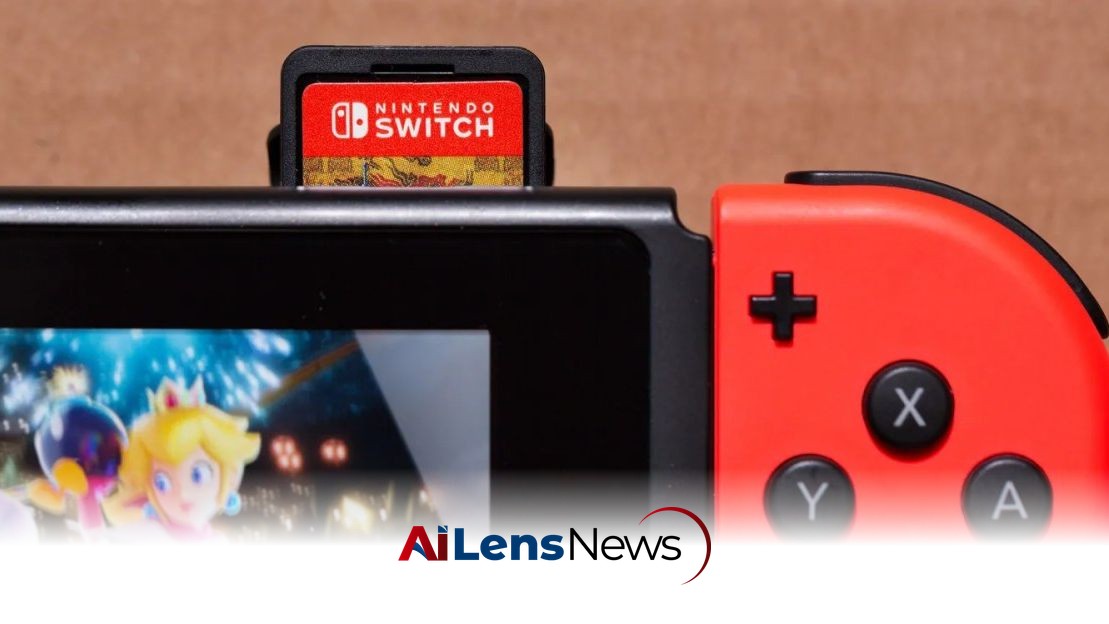


Nintendo has announced it will cease sales of the original Switch models in Europe starting mid-February 2027, coinciding with the launch of the Switch 2.
New Delhi, India Jul 6, 2026 ALN: Nintendo, a leading figure in the gaming industry, has announced a significant shift in its hardware sales strategy in Europe. The company will cease selling all iterations of the original Nintendo Switch beginning in mid-February 2027. This decision is part of a broader strategy to comply with upcoming European Union regulations that mandate user-replaceable batteries in electronic devices. This move signals a pivotal moment not only for Nintendo but also for the gaming industry as a whole, as it reflects a growing emphasis on sustainability and user-centered design in consumer electronics.
The announcement comes as part of an updated FAQ regarding revisions to Nintendo's hardware offerings in Europe. The original Nintendo Switch, which launched in March 2017, has enjoyed a successful run, garnering a dedicated fanbase and selling millions of units worldwide. The console's unique hybrid design, which allows users to seamlessly transition from handheld play to home console gaming, has been a major selling point. Over the years, the Switch has solidified its position in the market, thanks in part to a robust library of games that includes iconic titles such as The Legend of Zelda: Breath of the Wild, Animal Crossing: New Horizons, and Super Mario Odyssey. These titles have not only attracted a diverse audience but have also contributed to the console's longevity and popularity.
The full statement from Nintendo regarding this transition reads:
From mid-February 2027, almost ten years after Nintendo Switch launched in March 2017, Nintendo will no longer sell to retailers hardware in the Nintendo Switch family of systems — specifically Nintendo Switch, Nintendo Switch Lite, and Nintendo Switch – OLED Model. Sales of Nintendo Switch hardware on Nintendo Store will also end in mid-February 2027.
This announcement marks a significant turning point for the Nintendo Switch, which has been a staple in the gaming community for nearly a decade. The console's design has been praised for its versatility, allowing users to play both at home and on the go. The Switch's success can be attributed not only to its innovative design but also to a steady stream of new releases, including first-party titles like Rhythm Heaven Grove and Tomodachi Life: Living the Dream, which continue to attract players. The console has also benefited from a growing library of third-party games, further enhancing its appeal.
As part of its transition, Nintendo is gearing up to introduce a new version of the Switch, commonly referred to as the Switch 2. This updated console is expected to feature a replaceable battery, aligning with the EU's regulations set to take effect on February 18, 2027. Nintendo has indicated that the rollout of this new hardware will begin in the fall, with the company stating, "There is no difference in functionality between current products and revised products containing user-replaceable batteries." This suggests that while the hardware will be updated to meet regulatory standards, the gaming experience will remain consistent with that of the original models. The introduction of the Switch 2 is anticipated to generate excitement among fans and could potentially reignite interest in the franchise.
The implications of this transition extend beyond just the hardware itself. The move to user-replaceable batteries reflects a growing trend in consumer electronics, where sustainability and user-friendliness are becoming increasing priorities. By allowing users to replace batteries themselves, Nintendo is not only complying with regulations but also potentially extending the lifespan of its devices, which could lead to reduced electronic waste—a significant concern in today's environmentally conscious market. This shift aligns with broader industry trends, as consumers increasingly demand products that are not only innovative but also environmentally responsible.
In addition to the Switch 2, Nintendo is also planning to release updated versions of its Joy-Con controllers, which will be branded as Joy-Con 2, as well as a new Pro Controller for the Switch 2. Furthermore, Nintendo is revising its legacy controllers, including those for the Nintendo 64 and GameCube, to include user-replaceable batteries. This comprehensive approach indicates Nintendo's commitment to enhancing user experience while adhering to regulatory requirements. The updates to the Joy-Con and Pro Controller may also address longstanding concerns regarding controller drift, which has been a topic of discussion among players since the Switch's launch.
While the decision to halt sales of the original Switch in Europe is clear, the fate of the console in other territories remains uncertain. The original Switch continues to receive significant support, as evidenced by the release of new first-party titles and ongoing software updates. However, as the gaming landscape evolves, it is likely that Nintendo will follow suit in other regions, especially if similar regulations are adopted elsewhere. The company's proactive approach to compliance may serve as a model for other gaming hardware manufacturers facing similar challenges.
This shift in strategy raises important questions about the future of gaming hardware and the role of companies like Nintendo in shaping that future. As the industry moves toward greater sustainability and user empowerment, other companies may be compelled to follow Nintendo's lead, particularly in regions where regulatory pressures are increasing. The potential shift in industry standards could spur a wave of innovation as companies strive to meet consumer expectations while adhering to new regulations.
In conclusion, Nintendo's decision to stop selling the original Switch in Europe marks the end of an era for a console that has significantly impacted the gaming world. As the company prepares to launch the Switch 2 and other updated hardware, it is clear that Nintendo is positioning itself to meet the demands of a changing market while also addressing the growing call for sustainability in consumer electronics. The next few years will be crucial for Nintendo as it navigates these transitions and continues to innovate in a competitive landscape. The company's ability to adapt to regulatory changes while maintaining a strong connection with its fanbase will be key to its continued success in the gaming industry.
To learn more about the latest developments in Gadgets & Devices, stay updated with our exclusive reports and analyses on AiLensNews.

