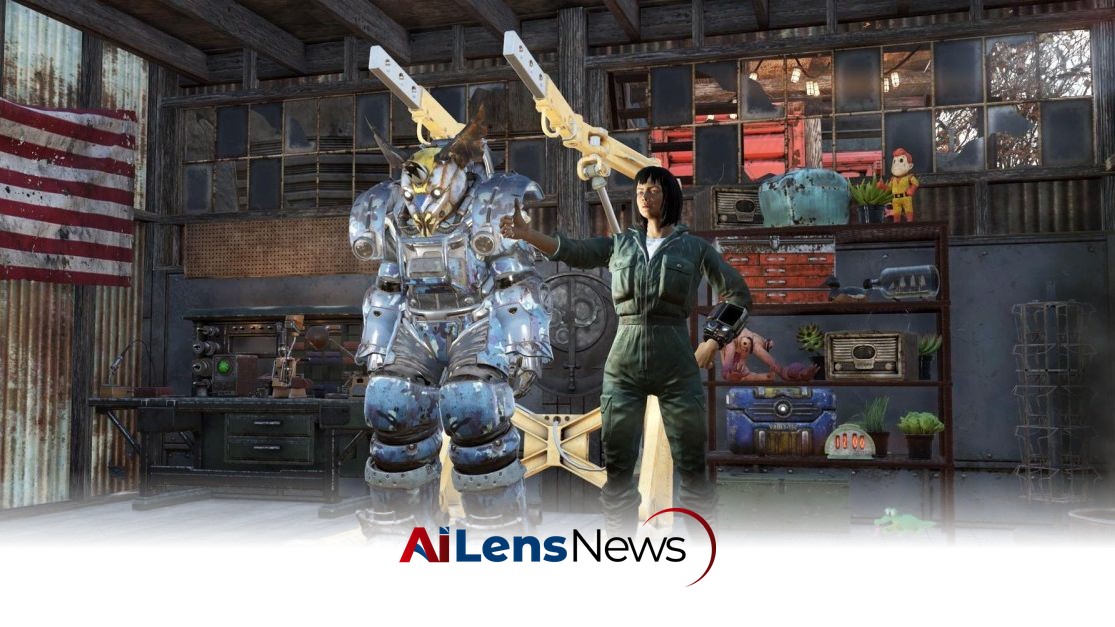


In a significant restructuring, Microsoft is pivoting Obsidian Entertainment to develop a new Fallout game, canceling multiple projects including Avowed.
New Delhi, India Jul 9, 2026 ALN: In a significant restructuring move, Microsoft is undergoing a major overhaul of its Xbox division, a process that has resulted in the layoff of approximately 3,200 employees across various departments. This shakeup has prompted a reevaluation of priorities within the gaming segment, leading to the cancellation of several projects and a strategic pivot towards what Microsoft deems as "higher priority projects." One of the key outcomes of this reset is Obsidian Entertainment's shift in focus towards the development of a new title in the Fallout franchise, a decision that has significant implications for both the studio and the broader gaming landscape.
Obsidian Entertainment, known for its critically acclaimed titles such as Grounded and The Outer Worlds, has been a prominent player in the RPG genre. The studio's decision to pivot towards a new Fallout game comes at a time when the franchise is experiencing renewed interest, particularly due to the success of the Fallout television series, which has captivated audiences and recently secured a third season. This success highlights the enduring popularity of the Fallout brand, despite the fact that the last major video game release in the series was Fallout 76, which launched in 2018 and faced a tumultuous reception from both critics and players.
The Fallout franchise, originally created by Interplay Entertainment, has a storied history dating back to its first release in 1997. The series is set in a post-apocalyptic world and is known for its rich storytelling, open-world gameplay, and moral complexity. After its acquisition of ZeniMax Media, the parent company of Bethesda Softworks, in 2021, Microsoft gained ownership of the Fallout franchise, which has since become a cornerstone of its gaming strategy. The franchise's transition to Obsidian, a studio with a deep connection to the series, signifies a commitment to maintaining the essence of what fans love while also exploring new directions.
Josh Sawyer, a veteran at Obsidian and a key figure in the development of the Fallout franchise, will lead the development of this new title. Sawyer has a rich history with the series, having directed Fallout: New Vegas, which is often regarded as one of the best entries in the franchise. His involvement brings a sense of continuity and expertise to the project, which may reassure fans who are eager for a return to the franchise's roots. Prior to this shift, Sawyer was working on a role-playing game that, while thematically similar to Fallout, was not officially part of the franchise. This indicates a potential loss of a unique project in favor of a more commercially viable option, reflecting the pressures and opportunities presented by the current gaming market.
The cancellation of the sequel to Avowed, another anticipated title from Obsidian, raises questions about the studio's long-term vision and the impact of Microsoft’s strategic decisions on its creative output. Reports suggest that development on the Avowed sequel was progressing well and that an announcement was expected within the year. The abrupt cancellation of this project, alongside the layoffs affecting about 25 percent of Obsidian's workforce, signals a shift in priorities that may prioritize established franchises over new intellectual properties. This decision may also reflect the broader industry trend where studios are increasingly focusing on sequels and established franchises as a safer financial bet amid rising development costs and market uncertainties.
Meanwhile, Obsidian is not abandoning all of its ongoing projects. The studio plans to continue its work on Grounded 2, a sequel to its cooperative survival game that has garnered a dedicated player base. Additionally, Obsidian is also set to develop downloadable content (DLC) for The Outer Worlds 2, which is another title that has received positive attention since its announcement. This focus on expanding existing franchises may reflect a broader trend in the gaming industry where established brands are seen as safer investments in an increasingly competitive market.
The implications of these changes are manifold. For Microsoft, the decision to prioritize certain franchises over others could reshape its gaming portfolio and influence its competitive stance against rivals like Sony and Nintendo. The focus on established titles like Fallout could lead to increased revenue opportunities, but it may also stifle innovation and the development of new ideas within the gaming ecosystem. The gaming industry has seen a shift in recent years where the cost of development has skyrocketed, leading many studios to favor sequels and remakes of successful titles rather than taking risks on new intellectual properties.
As the gaming industry continues to evolve, the balance between risk and reward remains a critical consideration for developers and publishers alike. The success or failure of the new Fallout project will likely have lasting repercussions not only for Obsidian but also for Microsoft's broader gaming strategy. Fans of the franchise will be watching closely, hoping that the combination of Sawyer's leadership and the studio's past successes can deliver a title that meets the high expectations set by its predecessors. The anticipation surrounding the new Fallout title is palpable, particularly given the franchise's legacy and the high stakes involved in its development.
In conclusion, while the restructuring at Microsoft and the changes at Obsidian represent a significant shift in the gaming landscape, the future remains uncertain. The decisions made in the coming months will not only define the trajectory of these studios but also shape the experiences of millions of gamers around the world. As the industry continues to grapple with rapid changes in nology, player expectations, and market dynamics, the outcomes of these strategic choices will be critical to watch. The focus on established franchises may provide short-term gains, but the long-term health of the gaming industry will depend on its ability to foster new ideas and innovation. Ultimately, the balance between nostalgia for beloved franchises and the exploration of new gaming experiences will determine the future of gaming.
To learn more about the latest developments in Software & Platforms, stay updated with our exclusive reports and analyses on AiLensNews.

