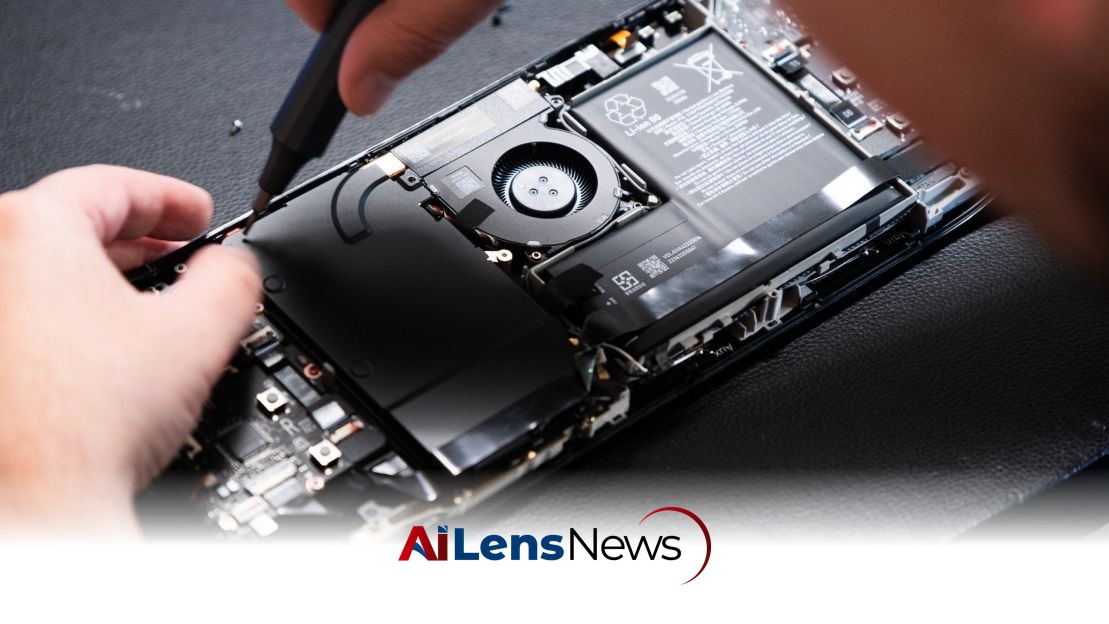


Valve has reversed its decision to discontinue Steam Deck batteries, ensuring iFixit will keep supplying them for users needing replacements.
New Delhi, India Jul 16, 2026 ALN: Valve Corporation, a prominent player in the gaming industry known for its innovative gaming platforms and hardware, has recently confirmed that iFixit, a well-known repair and parts supplier, will continue to sell batteries for the Steam Deck. This announcement comes amidst concerns from users regarding the availability of replacement parts, particularly batteries, for the handheld gaming device. The Steam Deck, which has garnered significant attention since its release, has become a popular choice among gamers who appreciate its versatility and performance. However, as with any electronic device, the need for repairs and replacement parts is an inevitable aspect of ownership.
The initial news that Valve would be discontinuing the Steam Deck battery took many users by surprise. Valve has built a reputation for being supportive of customers needing repairs, making this decision seem contradictory to their established customer service ethos. Users expressed their worries about the potential inability to purchase a battery from iFixit and perform the replacement themselves, which is a common practice among -savvy consumers. The concern was particularly poignant as the demand for such replacement parts was on the rise, indicating that many users were likely to need new batteries as their devices aged.
In response to the growing anxiety among users, Valve clarified the situation. As of 5 PM ET, the company confirmed that iFixit would have batteries back in stock by the following week. Kaci Aitchison Boyle, a spokesperson for Valve, reassured users that iFixit would continue to receive the same original equipment manufacturer (OEM) parts sourced through Valve’s partners, ensuring that the quality of the replacement batteries would remain consistent. This was a welcome relief for many who feared that they would be left without a reliable source for replacement batteries, which are essential for maintaining the functionality of their devices.
Earlier in the day, statements made by iFixit CEO Kyle Wiens had created a stir among the community. He had indicated that Valve would no longer produce replacement batteries or screens for the original Steam Deck LCD. This news understandably raised alarms among users who rely on these parts for repairs, as the availability of such components is crucial for the longevity of their devices. However, by the afternoon, the narrative shifted as Wiens reported that Valve and iFixit had successfully coordinated to secure a supplier for the batteries. He emphasized his commitment to ensuring that users would have access to necessary parts, stating, "I want people to know we are going to find a way to get batteries for these things." This assurance was vital in alleviating concerns regarding the future availability of replacement batteries.
Wiens also praised Valve as a "really great partner," suggesting that the company may have underestimated the demand for replacement parts. His comments highlighted the challenges companies face in accurately forecasting demand for components, which can lead to shortages if predictions are incorrect. Wiens elaborated on the delicate balance companies must maintain between overstocking parts, which can lead to financial waste, and understocking, which can leave customers without necessary repairs.
The concerns surrounding the discontinuation of the battery were not without merit. New regulations in the European Union, set to take effect in February 2027, will mandate that companies provide user-replaceable batteries in the devices they sell. This regulatory change has already prompted companies like Nintendo to discontinue the original Switch in Europe and develop a new version of the Switch 2 with a replaceable battery. However, it is important to note that this regulation should not impact the Steam Deck LCD, as Valve ceased selling that particular component in December of the previous year. The implications of such regulations may have broader consequences for the industry, pushing manufacturers to rethink their designs and repair policies in light of increasing regulatory scrutiny.
In the United States, the legal landscape regarding the right to repair is complex and varies significantly from state to state. While some states have enacted laws requiring companies to offer parts for a certain number of years, many of these laws explicitly exclude game consoles. This raises a pertinent question: would Valve argue that the Steam Deck should be classified as a personal computer (PC) rather than a gaming console to sidestep certain repair obligations? Such a distinction could have significant implications for consumers' rights to repair their devices and access necessary parts.
Despite the assurance of battery availability, replacing the battery in the Steam Deck is not a straightforward process. iFixit has previously explained that the battery is strongly glued into the device's frame, making it challenging to remove without risking damage or even fire. Valve designers have acknowledged their dissatisfaction with the adhesive used in the assembly of the Steam Deck, indicating that improvements may be needed in future designs to facilitate easier repairs. The difficulty of battery replacement underscores the ongoing debate within the community regarding the importance of repairability in consumer electronics.
Looking ahead, there is hope for better solutions in battery replacement for future handheld devices. Wiens mentioned that electrically removable adhesive could be a viable option for manufacturers aiming to simplify the repair process. However, he also noted that this type of adhesive is often too costly to include in original designs, which can deter manufacturers from adopting it. Nevertheless, the potential for aftermarket solutions may provide users with more options for battery replacement at a reasonable cost.
As the situation continues to evolve, the impact of replacement battery availability on Steam Deck users remains to be seen. For the time being, Valve's partnership with iFixit ensures that customers will have access to this essential component, providing a sense of security for those concerned about the longevity of their devices. The ongoing dialogue surrounding repairability, regulatory changes, and consumer rights will likely shape the future of not only the Steam Deck but the broader landscape of consumer electronics as well. As gaming nology continues to advance, the need for sustainable practices and user-friendly repair options will become increasingly important in meeting the expectations of an informed and engaged consumer base.
To learn more about the latest developments in Gadgets & Devices, stay updated with our exclusive reports and analyses on AiLensNews.

