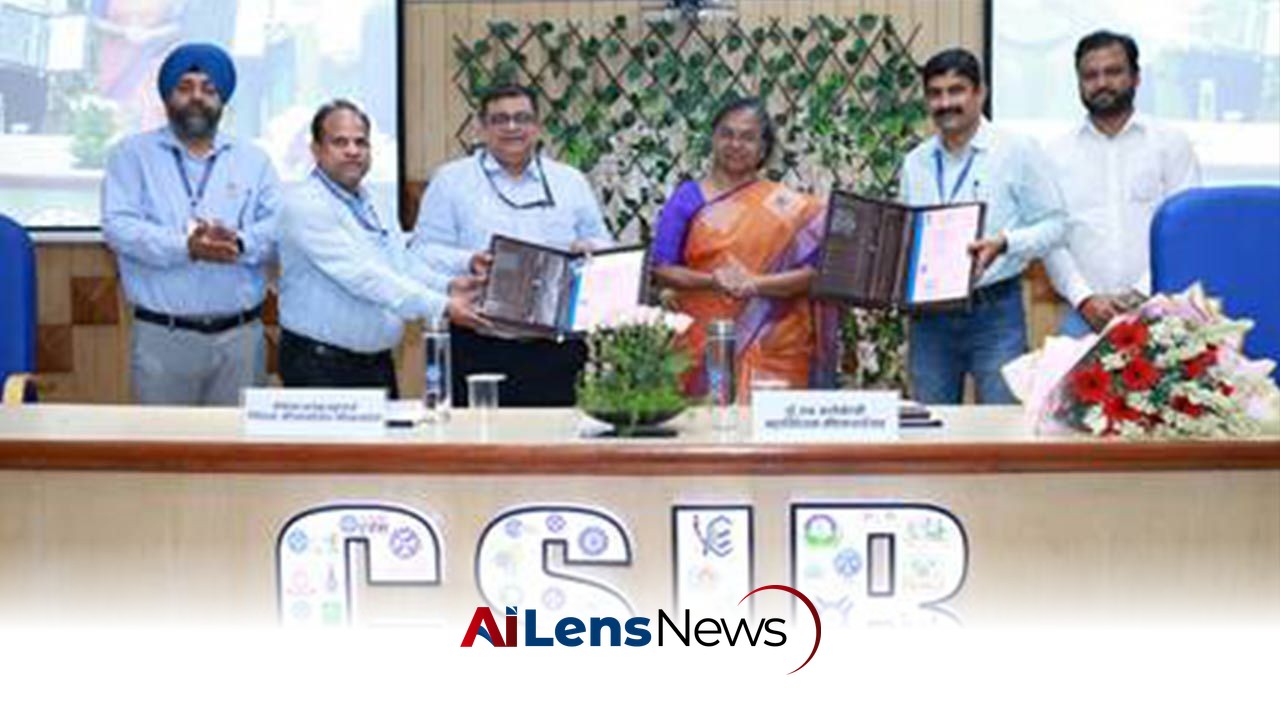


The Council of Scientific and Industrial Research (CSIR) has licensed four indigenous technologies and launched an IoT-enabled rural water monitoring system in New Delhi.
New Delhi, India Jul 23, 2026 ALN: The recent Technology Transfer Event organized by the Council of Scientific and Industrial Research (CSIR) in New Delhi marks a significant milestone in India's pursuit of self-reliance in technology and innovation. During this event, four indigenous technologies were successfully licensed to various industry partners, and an Internet of Things (IoT)-enabled water service, measurement, and monitoring system tailored for rural deployment was commercially launched. This initiative highlights CSIR's commitment to fostering technological advancements that can address pressing societal issues.
The event was coordinated by the CSIR-Central Scientific Instruments Organisation (CSIR-CSIO) based in Chandigarh, which has been at the forefront of developing scientific instruments and technologies for various applications. The licensing of these technologies not only underscores the capabilities of Indian scientific research but also signifies a shift towards greater collaboration between research institutions and the industry. This collaboration is essential for the effective translation of scientific research into market-ready products that can benefit various sectors.
Among the technologies licensed during the event was the Induction Motor Stethoscope (MSCOPE), which is expected to enhance the maintenance and monitoring of motors in various industrial applications. The importance of efficient motor operation cannot be overstated, as motors are integral to numerous industrial processes. By utilizing the MSCOPE, industries can proactively address maintenance issues, thereby minimizing downtime and enhancing productivity. Additionally, the Portable & Universal Motor-cum-Pump Performance Monitor (PU-MPPM) was licensed to Pump Academy Private Limited, Bengaluru. This device will facilitate the assessment of motor and pump efficiency, contributing to better energy management in industrial processes. Efficient energy management is increasingly crucial in today's environment, where energy costs are rising and sustainability is a priority for many organizations.
Another significant technology licensed is the i-Power Quality Analyser (IPQA), which is designed to monitor the quality of electrical power in various systems. This technology is crucial for industries that rely heavily on uninterrupted and high-quality power supply, thereby improving operational reliability and efficiency. The monitoring of power quality can help in identifying issues such as voltage fluctuations and harmonics that could potentially damage sensitive equipment, thereby safeguarding investments and enhancing operational efficiency.
Furthermore, the event also saw the transfer of an optical module and beam combiner assembly intended for use in the head-up display (HUD) systems of SU-30 aircraft programs. This transfer to Bharat Electronics Limited (BEL) in Panchkula is particularly noteworthy as it aligns with India's broader strategy to enhance indigenous capabilities in defense manufacturing. The development and production of such advanced technologies are critical for bolstering national security and reducing dependency on foreign suppliers. This move is part of a larger trend in which India aims to become more self-sufficient in defense manufacturing, thus ensuring that the country can maintain its security needs independently.
In conjunction with these licenses, Prof. Shantanu Bhattacharya, the Director of CSIR-CSIO, announced the launch of an Affordable IoT-enabled Water Service Delivery, Measurement, and Monitoring Sensing System for rural areas. This innovative system, developed in collaboration with Biometry Technologies Pvt. Ltd., aims to improve water quality, quantity, and overall service delivery in rural communities. Given the challenges faced by rural areas in accessing clean and reliable water, this technology has the potential to make a significant impact on public health and quality of life. Access to clean water is a fundamental human right, and innovations like this can help bridge the gap in service delivery often experienced in rural regions.
During the event, Prof. Bhattacharya provided an overview of the technology transfers and the associated royalty achievements, emphasizing the growing ecosystem of innovation and commercialization at the laboratory. He noted that CSIR-CSIO has been proactive in strengthening its initiatives in technology commercialization, which is essential for translating research outcomes into practical applications that benefit the industry and society at large. This proactive approach is crucial in ensuring that research institutions remain relevant and responsive to the needs of the market and society.
Highlighting the financial aspects of these initiatives, Bhattacharya mentioned that CSIR-CSIO received Rs 1.67 crore in royalty from BEL during the fiscal year 2026 for the licensed production of indigenous military avionics technologies. These technologies encompass various components crucial for modern aviation, including HUD systems, drogue lights, taxi landing lights, and tools for boresight alignment. Such financial returns not only validate the research efforts but also reinforce the importance of partnerships between research organizations and the defense sector. The revenue generated from these royalties can be reinvested into further research and development, thus creating a sustainable cycle of innovation.
Dr. N Kalaiselvi, the Director General of CSIR and Secretary of the Department of Scientific and Industrial Research (DSIR), expressed her appreciation for the laboratory's efforts in accelerating technology development and expanding industry partnerships. She emphasized that the successful commercialization of indigenous technologies is central to CSIR's mission, which aims to translate research into products and processes that deliver value to the industry while also benefiting society. This mission is particularly timely as the global landscape increasingly demands innovative solutions to complex challenges, including environmental sustainability and public health.
This focus on commercialization aligns with the Indian government's broader vision of 'Atmanirbhar Bharat' or self-reliant India, which seeks to promote indigenous manufacturing and reduce reliance on foreign technologies. By fostering an environment conducive to innovation and collaboration, CSIR and its affiliated organizations are playing a pivotal role in driving the country's technological advancement. The 'Atmanirbhar Bharat' initiative aims to empower local businesses and entrepreneurs, thereby creating a more resilient economy that can withstand global market fluctuations.
The implications of these developments are far-reaching. The licensing of indigenous technologies not only enhances India's industrial capabilities but also contributes to economic growth by creating jobs and fostering entrepreneurship. Moreover, the successful implementation of IoT solutions in rural water management can lead to improved public health outcomes, reduced waterborne diseases, and enhanced quality of life for millions of people living in rural areas. The potential for these technologies to be scaled and replicated in various contexts could further amplify their impact, making them valuable assets in the global landscape of technological innovation.
As CSIR continues to strengthen its partnerships with industry, the focus on indigenous technology development is likely to yield further innovations that can address various challenges faced by society. The commitment to translating scientific research into practical applications is essential for ensuring that the benefits of technological advancements are accessible to all segments of the population. This approach not only helps in addressing immediate societal needs but also lays the groundwork for sustainable long-term development.
In conclusion, the recent Technology Transfer Event organized by CSIR represents a significant step towards enhancing India's technological landscape. By licensing indigenous technologies and launching innovative solutions like the IoT-enabled water system, CSIR is not only contributing to the nation's self-reliance but also addressing critical societal issues. The collaborative efforts between research institutions and industry partners are essential for fostering an ecosystem of innovation that can drive economic growth and improve the quality of life for citizens across the country. As India moves forward, the emphasis on indigenous technology development will undoubtedly play a crucial role in shaping a more resilient and prosperous future.
To learn more about the latest developments in Software & Platforms, stay updated with our exclusive reports and analyses on AiLensNews.

