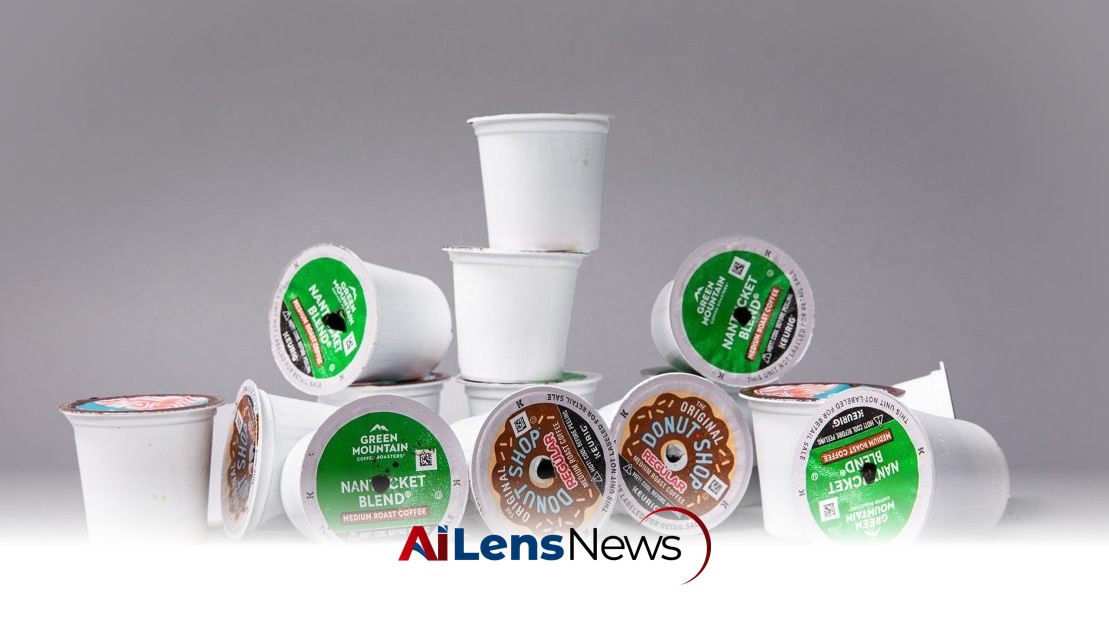


Explore the evolution of Keurig and its impact on coffee culture, from convenience to environmental concerns.
New Delhi, India Jul 5, 2026 ALN: On Version History: How one company filled the world with K-Cups, and changed our relationship with coffee.
Before Keurig, the coffee in your office was almost certainly terrible. Old, burned, made by someone who would rather poorly eyeball than properly measure. Just altogether gross. After Keurig? You could make your own coffee, a cup at a time, exactly when you needed it. The single-cup brewer was an elegant solution to an extremely common problem. At least, that’s how it started.
The introduction of the Keurig coffee maker in the late 1990s revolutionized the way people consume coffee. It addressed a widespread issue: the inability to brew fresh coffee in a consistent manner, especially in communal settings such as offices. Prior to its invention, many workplaces relied on traditional coffee pots that often produced bitter, over-extracted brews due to prolonged heating and poor quality beans. The Keurig system allowed users to brew a single cup of coffee quickly, using pre-packaged pods known as K-Cups, which contained ground coffee sealed for freshness. This innovation not only provided convenience but also catered to individual preferences, allowing users to choose from a wide variety of flavors and brands.
On this episode of Version History, we dig into the history of the Keurig, and the ways in which the idea got vastly bigger than anyone expected. K-Cups and Keurig machines became ubiquitous in offices all across the US, then quickly began to invade our homes as well. The rapid adoption of these machines can be attributed to their ease of use and the growing coffee culture in America, which increasingly favored gourmet and specialty coffees. As a result, Keurig's market share grew significantly, leading to a billion-dollar enterprise that transformed the coffee landscape.
However, as David Pierce, Eater’s Melissa McCart, and creator and champion barista Morgan Eckroth discover, ultra-convenient coffee comes at a cost. While Keurig machines made it easier for consumers to enjoy a fresh cup of coffee, the environmental implications of K-Cups have raised serious concerns. Each K-Cup is made of plastic and aluminum, materials that are notoriously difficult to recycle. Although Keurig has made efforts to develop recyclable pods, many consumers still dispose of them improperly, contributing to the growing problem of plastic waste in landfills and oceans.
The environmental impact of K-Cups has prompted a backlash against the product, with some critics labeling them as a symbol of wastefulness in modern consumer culture. The term "single-use plastic" has become synonymous with K-Cups in discussions about sustainability, sparking debates about convenience versus environmental responsibility. In response, Keurig has launched initiatives aimed at making its products more sustainable, including pledging to make all of its K-Cups recyclable by 2020. However, the effectiveness of these initiatives remains a topic of discussion among environmentalists and consumers alike.
Moreover, the rise of Keurig has also led to a shift in the perception of "good coffee." The coffee industry has traditionally valued artisanal brewing methods, which emphasize quality, flavor, and the experience of brewing coffee. The ease of K-Cups has, for some, diluted this appreciation, leading to a more homogenized coffee experience. Critics argue that the focus on convenience has overshadowed the importance of sourcing high-quality beans and supporting sustainable farming practices.
As Keurig has spent years trying to reckon with all those things, it faces the challenge of catching up to a coffee culture that might be leaving it behind. The specialty coffee movement has gained momentum, with consumers increasingly seeking out local roasters and unique brewing methods, such as pour-over or French press. This trend has prompted Keurig to expand its offerings, including collaborations with artisanal coffee brands and the introduction of premium coffee pods. However, the question remains whether these efforts will be enough to win back consumers who have turned to more traditional brewing methods.
The narrative surrounding Keurig is not just about coffee; it reflects broader themes in consumer behavior, environmental sustainability, and the evolving landscape of food and beverage consumption. As consumers become more aware of the environmental impact of their choices, companies like Keurig must adapt to meet these changing expectations. The coffee industry is currently witnessing a renaissance, where consumers are increasingly educated about their choices, and they prioritize quality and sustainability over convenience.
In the early days of Keurig, the emphasis was on the convenience of brewing a single cup of coffee quickly and efficiently. This innovation was a game-changer for many busy professionals who found themselves juggling multiple tasks throughout the day. The ability to brew a fresh cup of coffee on demand without the hassle of traditional brewing methods was appealing. However, as the coffee culture evolved, so did the expectations of consumers. Many are now seeking a deeper connection to their coffee, looking for transparency in sourcing, and valuing the story behind each cup.
Furthermore, the rise of social media has played a significant role in shaping the coffee landscape. Platforms like Instagram have allowed coffee enthusiasts to share their experiences, showcasing beautifully crafted lattes and unique brewing methods. This has created a community that values not just the end product but also the ritual of brewing and the artistry involved. As a result, many consumers are gravitating towards brands that align with these values, often favoring local roasters and specialty coffee shops over mass-produced options.
The implications for Keurig are profound. As the company seeks to maintain its relevance in a rapidly changing market, it must find ways to innovate without compromising on sustainability. The introduction of recyclable K-Cups is a step in the right direction, but it may not be enough to sway consumers who have already made the switch to more environmentally friendly options. Additionally, the company faces the challenge of overcoming the perception that K-Cups represent a lower quality coffee experience.
In response to these challenges, Keurig has made strides to diversify its product range. The company has introduced a variety of coffee pods that feature premium blends and collaborations with well-known coffee brands. This strategy aims to appeal to a broader audience, including those who are more discerning about their coffee choices. However, the success of this approach remains to be seen, as consumers continue to prioritize sustainability and quality.
As the coffee industry continues to evolve, the story of Keurig serves as a cautionary tale about the balance between innovation, convenience, and sustainability. It highlights the need for companies to be mindful of their impact on the world while striving to meet the demands of modern consumers. The future of coffee may very well depend on finding that balance. As consumers become increasingly aware of their purchasing decisions, companies like Keurig must navigate the complexities of consumer expectations while also addressing the pressing environmental challenges of our time.
In conclusion, the rise and fall of Keurig's reputation reflect larger societal trends that extend beyond coffee consumption. As the company works to redefine itself in an era that values sustainability and quality, it may serve as a model for other industries grappling with similar challenges. The future of coffee may be a blend of convenience and conscientiousness, where consumers can enjoy their favorite brews without compromising their values. The ongoing dialogue about the role of convenience in our lives continues to evolve, with Keurig at the forefront of this discussion.
To learn more about the latest developments in Gadgets & Devices, stay updated with our exclusive reports and analyses on AiLensNews.

