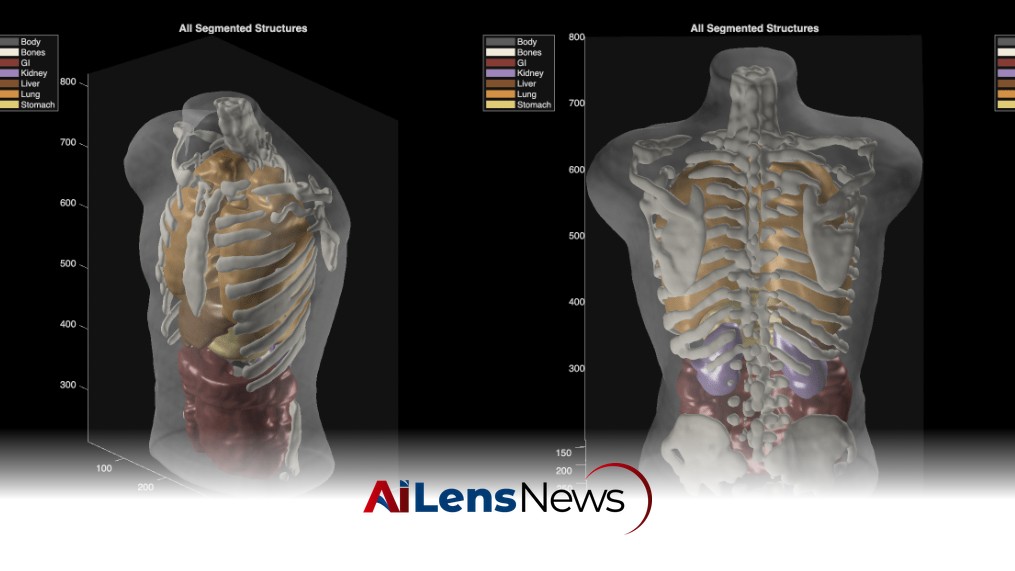


Midjourney's latest video reveals its innovative medical scanner but lacks substantial proof of its effectiveness in transforming medical imaging.
New Delhi, India Jul 3, 2026 ALN: Midjourney, a startup primarily recognized for its innovative image generation nology, has recently unveiled more details about its ambitious medical scanner project. This initiative has stirred significant interest and skepticism within the medical community, particularly due to the lack of concrete evidence regarding the scanner's efficacy. The company aims to revolutionize the imaging landscape with a device that promises affordable, high-quality, and radiation-free imaging, but many questions remain unanswered about its actual capabilities.
The unveiling of the medical scanner was accompanied by a nearly 20-minute behind-the-scenes video featuring Marcin Plaza, an engineer at Midjourney. In this video, Plaza provides a candid overview of the scanner, describing it as a collection of ultrasound probes that have been "hacked apart" and integrated into a modified hot tub design, complete with an elevator mechanism. This unconventional approach raises eyebrows, as it relies on consumer-grade nology such as off-the-shelf computers and Raspberry Pis. While the video showcases the hardware and the team involved in the project, it largely avoids addressing the fundamental physics and imaging challenges that experts have previously highlighted.
Ultrasound nology has been in use for decades, and its limitations are well-documented. Experts in the field have expressed skepticism regarding Midjourney's ability to surpass these established boundaries or to produce the high-resolution images that the company claims it can achieve at the promised scale and speed. The medical community has long relied on ultrasound for various diagnostic purposes, but the nology is not without its drawbacks, including issues with image clarity and depth penetration. Given these challenges, the assertions made by Midjourney about their scanner's capabilities have prompted a cautious response from professionals in the medical imaging sector.
In an effort to temper expectations and clarify its intentions, Midjourney has emphasized that the scanner will initially be marketed as a wellness product. This strategic decision allows the company to sidestep the rigorous regulatory requirements associated with diagnostic medical devices, such as FDA clearance and extensive clinical trials. By focusing on body composition analysis rather than diagnostic applications, Midjourney aims to expedite the launch of its product, which it hopes will be available as soon as testing is completed. Tom Calloway, the head of medical at Midjourney, reiterated this stance in the video, suggesting that the wellness angle would enable the company to "speedrun" the deployment process.
Despite this clarification, the video continues to employ medical jargon and poses questions regarding the potential applications of frequent scans in clinical settings. This juxtaposition of wellness and medical language creates ambiguity about the scanner's intended use and raises concerns about the potential for misinterpretation by consumers and healthcare providers alike. The implications of marketing a device that straddles the line between wellness and medical diagnostics could lead to confusion and misapplication of the nology, especially among those who may not fully understand its limitations.
In the video, Plaza and Calloway attempt to address some of the skepticism surrounding the project, but their comments do not seem to alleviate concerns from the medical community. Calloway's assertion that he does not feel the need to clarify any misunderstandings reflects a certain level of confidence in the product, but it also raises questions about the company's willingness to engage with legitimate concerns raised by experts. The promise of frequent updates through blogs, as mentioned by Calloway, offers some transparency, but it remains to be seen how effectively these updates will address the scientific and nical inquiries surrounding the scanner.
CEO David Holz's remarks about Midjourney's independence from investors further highlight the company's unique position in the landscape. Without external pressures from investors, Holz feels empowered to pursue the development of the medical scanner without constraints. This autonomy can foster innovation, but it also raises questions about accountability and oversight, particularly in a field as critical as healthcare. The absence of investor influence may allow for creative experimentation, but it also necessitates a high degree of responsibility from the company to ensure that any product they bring to market is safe and effective.
The broader implications of Midjourney's project extend beyond the company itself. As nology continues to advance, the intersection of wellness and medical diagnostics is becoming increasingly blurred. The rise of consumer health nologies has led to a growing market for products that promise to enhance personal health monitoring and wellness. However, this trend also poses risks, as unregulated devices may enter the market without adequate validation, potentially leading to misinformation and misdiagnosis.
As Midjourney moves forward with its medical scanner project, it will be crucial for the company to engage with the medical community and address the concerns raised by experts. Building trust and credibility will be essential for the successful adoption of any new nology in healthcare. Additionally, the company must navigate the ethical implications of marketing a product that could be perceived as a medical device, even if it is positioned as a wellness tool.
In conclusion, while Midjourney's medical scanner project showcases the potential for innovation in imaging nology, it also underscores the need for transparency, accountability, and rigorous scientific validation. As the company continues to develop its product, the medical community and potential consumers will be watching closely to see how it addresses the significant challenges and questions that have emerged. Ultimately, the success of the scanner will depend not only on its nological capabilities but also on the company's ability to communicate its purpose and limitations clearly to all stakeholders involved.
To learn more about the latest developments in Artificial Intelligence, stay updated with our exclusive reports and analyses on AiLensNews.

