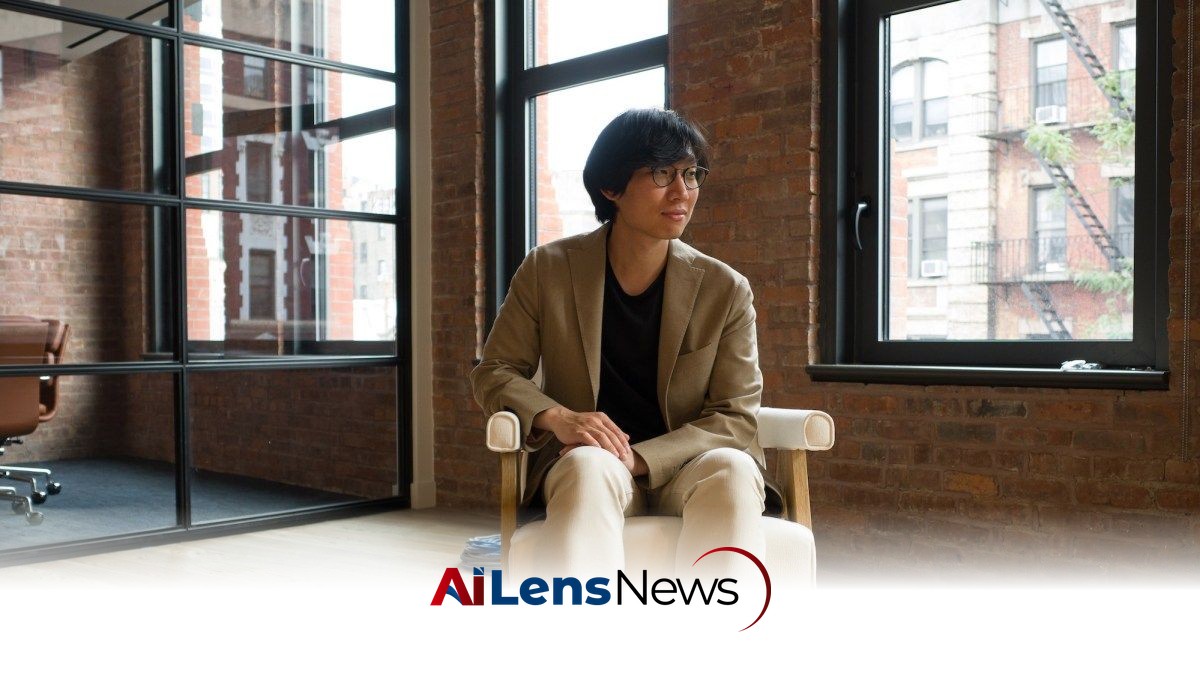


Simile, a synthetic-user startup, raises $200 million in Series B funding just five months after its $100 million Series A, reaching a $2 billion valuation.
New Delhi, India Jul 30, 2026 ALN: Simile has officially joined the ranks of AI unicorns, raising $200 million in its Series B funding round, just five months after its $100 million Series A led by Index Ventures. The startup now boasts a valuation of $2 billion.
The Series B round was spearheaded by Greenoaks, with notable participation from Index Ventures, Hanabi, Bain Capital Ventures, A*, Factory, Definition, and CVS Health Ventures. Interestingly, CVS Health Ventures is also among Simile’s key customers.
Simile specializes in providing simulated users for applications in marketing and product research. Founded by Joon Sung Park, a PhD graduate from Stanford, the startup's roots trace back to Park's dissertation project, “Smallville,” which involved AI agents living simulated human lives, including hosting parties.
While the ambitious mission of simulating “all eight billion people on earth, accurately and honestly” may seem far-fetched, the concept of using simulated users for market research holds significant promise. This approach is reminiscent of vibe coding for product mock-ups, aiming to capture consumer behavior in a controlled environment.
Simile is not alone in this innovative space; other startups like Aaru have also attracted venture capital interest, having raised a Series A in December at a striking $1 billion valuation.
The recent funding round marks a significant milestone for Simile, reflecting growing investor confidence in the potential applications of artificial intelligence in consumer behavior analysis. As businesses increasingly seek data-driven insights to inform their marketing strategies, the demand for innovative solutions that can provide accurate consumer simulations is on the rise. Simile’s technology aims to fill this gap, offering a unique approach to understanding consumer preferences and behaviors.
Simile's simulated users can be utilized in various ways, from testing new products to refining marketing strategies. By creating realistic, AI-driven user profiles, companies can conduct experiments that closely mimic real-world interactions. This capability allows businesses to gather insights without the ethical and logistical challenges associated with traditional market research methods, such as focus groups or surveys.
The implications of this technology extend beyond marketing and product development. Industries such as healthcare, finance, and education could also benefit from simulated user technology. For instance, healthcare providers could use simulated patients to test treatment protocols or understand patient behavior, while financial institutions might simulate consumer responses to new financial products.
However, the journey to achieving its ambitious goals is fraught with challenges. The ethical considerations surrounding the use of AI to simulate human behavior are significant. Questions about privacy, consent, and the potential for bias in AI algorithms are paramount. As Simile continues to develop its technology, it will need to navigate these complex issues to maintain trust with both consumers and businesses.
The competitive landscape for AI-driven market research is rapidly evolving. Alongside Simile, other startups are exploring similar avenues, each with unique approaches to simulating consumer behavior. For example, Aaru, which recently raised a Series A funding round at a $1 billion valuation, focuses on using AI to enhance user experience in digital environments. This competition could drive innovation and lead to more sophisticated solutions in the market.
The involvement of prominent investors such as Greenoaks and CVS Health Ventures signals a strong belief in the viability of Simile’s business model. These investors not only provide capital but also strategic guidance and industry connections that can help propel the startup forward. The participation of CVS Health Ventures is particularly noteworthy, as it indicates a direct interest from a major player in the healthcare sector, potentially opening doors for collaboration and application of Simile’s technology in healthcare-related research.
As Simile prepares to scale its operations, it will likely focus on refining its technology and expanding its customer base. The funds raised in the Series B round are expected to be allocated towards research and development, hiring top talent, and enhancing its platform's capabilities. The startup may also invest in marketing efforts to increase awareness of its services and attract new clients.
The success of this funding round highlights a broader trend in the venture capital landscape, where investors are increasingly looking to back companies that leverage artificial intelligence to solve complex problems. This trend reflects a growing recognition of AI’s potential to transform industries and create new opportunities for growth.
In conclusion, Simile's recent $200 million Series B funding round and its subsequent $2 billion valuation underscore the company's position as a leader in the emerging field of simulated user technology. As it continues to innovate and expand its offerings, Simile is poised to play a significant role in shaping the future of market research and consumer insights, navigating the challenges and opportunities that lie ahead in this rapidly evolving landscape.
The rise of AI-driven solutions in market research is part of a larger transformation in how companies approach consumer insights. Traditional methods, which often rely on surveys and focus groups, can be time-consuming and may not always accurately reflect the complexities of consumer behavior. Simulated users allow for a more dynamic and nuanced understanding of consumer preferences, potentially leading to more effective marketing strategies and product development.
Moreover, the technology behind Simile could pave the way for advancements in personalized marketing. By analyzing the behaviors and preferences of simulated users, businesses can tailor their marketing messages to better resonate with specific consumer segments. This level of personalization is increasingly expected by consumers, who are inundated with generic marketing messages that often fail to engage them.
In addition to marketing, the implications of Simile's technology could extend into the realm of product design. Companies could use simulated users to test new product concepts before they reach the market, allowing for adjustments based on simulated feedback. This could significantly reduce the risk associated with launching new products and improve the chances of success in a competitive marketplace.
As Simile grows, it will also need to consider the scalability of its technology. The ability to simulate a diverse range of consumer behaviors and preferences is crucial for the company to maintain its competitive edge. This may involve continuous refinement of its algorithms and the incorporation of new data sources to enhance the realism of its simulations.
Furthermore, as the company navigates the challenges of scaling, it will also need to remain vigilant about regulatory developments related to AI and data privacy. The landscape of AI regulation is evolving, with governments and organizations worldwide increasingly scrutinizing how AI technologies are developed and deployed. Ensuring compliance with these regulations will be essential for Simile to build and maintain trust with its clients and end-users.
The potential for Simile's technology to disrupt traditional market research practices cannot be understated. As more companies recognize the value of data-driven insights, the demand for innovative solutions like those offered by Simile is likely to grow. This could lead to a shift in how market research is conducted, favoring approaches that leverage AI and simulation over conventional methods.
In summary, Simile's significant funding success and its vision for the future of simulated user technology position it at the forefront of a rapidly evolving industry. The company's ability to execute its ambitious goals while addressing ethical considerations and regulatory challenges will be critical to its long-term success. As it continues to innovate, Simile has the potential to redefine how businesses understand and engage with consumers in an increasingly complex marketplace.
To learn more about the latest developments in Funding & Investments, stay updated with our exclusive reports and analyses on AiLensNews.

