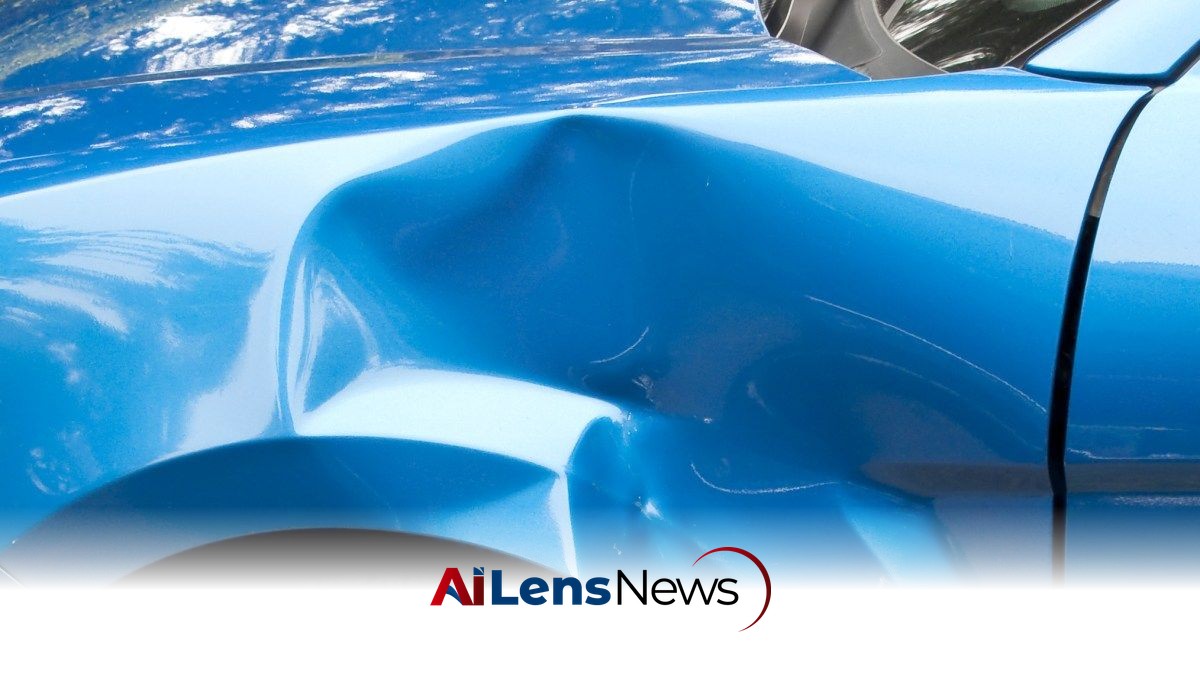


Self Inspection, an AI-driven vehicle inspection service, secures $10 million in funding led by Sheryl Sandberg, aiming to revolutionize automotive assessments.
New Delhi, India Jul 16, 2026 ALN: Sheryl Sandberg has led a $10 million investment into Self Inspection, a San Diego-based startup that is also backed by former Tesla president Jon McNeill’s DVx Ventures.
The startup, founded in 2021, has spent the last few years trying to disrupt the vehicle inspection process by making it possible to properly assess body damage on a car with as little tech as a smartphone camera. Self Inspection told that it has already completed more than 1 million vehicle inspections for rental fleets, automotive finance companies, auctions, and marketplaces, with Stellantis’ financial services arm using the platform for corporate-owned vehicles and lease-end inspections.
“The biggest technology companies are built by transforming industries that are massive, essential, and ready for change,” Sandberg said in a statement. “Vehicle condition touches billions of dollars in automotive decisions every year, yet the data remains fragmented. That is changing. We believe Self Inspection will build the system of record that the automotive industry needs.”
The funding round was led by her family office, Sandberg Bernthal Venture Partners, with strategic investment from tire distributor U.S. AutoForce and automotive lender Westlake Financial. Early-stage funds Costanoa Ventures, Rebellion Ventures, and BrightCap Ventures also invested.
Self Inspection is one of a number of startups trying to use AI to modernize the automotive industry. Toma and Flai are trying to improve dealership communication with voice agents. BidBus is making it possible for dealerships to competitively bid on privately owned cars.
Other startups like UVeye have taken a bigger, infrastructure-level approach to modernizing vehicle inspections.
But a big part of Self Inspection’s pitch is simplicity. The company sells its software to customers like Stellantis, and that software allows the customer to send a link to anyone with a smartphone so they can upload photos of a car. Self Inspection’s software guides the user through the process, making sure the whole car is covered.
The company is basically leveraging the fact that “everyone has a good camera” and “knows how to capture photos,” CEO Constantine Yaremtso told last year.
From there, the photos get compared to what Self Inspection has described as “one of the largest datasets of damaged vehicles” to detect the presence and severity of any damage. After that, the startup’s software spits out a cost estimate and a detailed inspection report.
“What we deliver is actually a fully detailed PDF report that you would normally only get from a body shop, which will tell you what labor needs to be done on the damage, how much it costs to repair, how many parts do you need, and so on,” Yaremtso said. He added that Self Inspection can also pull data from an OBD2 computer for even more detailed information.
Self Inspection told that its platform has already helped its customers reduce their costs by over $80 million and save more than 300,000 operational hours. The startup plans to use the new funding to build more products, reach more enterprise customers, and expand to Europe.
The investment from Sandberg not only underscores the potential of Self Inspection but also highlights a broader trend in the automotive industry toward digital transformation. With the increasing integration of technology in various sectors, the automotive industry has been relatively slow to adapt to the rapid changes that have been seen in other fields. However, startups like Self Inspection are paving the way for a new era of efficiency and accuracy in vehicle inspections.
The vehicle inspection process has traditionally been time-consuming and labor-intensive, often requiring physical inspections by trained professionals. This method can be costly and prone to human error, particularly when assessing damage that may not be immediately visible. Self Inspection's innovative approach seeks to streamline this process by allowing users to utilize their smartphones to capture and upload images of their vehicles, thus democratizing the inspection process and making it accessible to a wider audience.
The implications of such technology are significant. For rental fleets and automotive finance companies, the ability to conduct quick and accurate inspections can lead to substantial savings and operational efficiencies. In a market where margins can be tight, having a reliable method for assessing vehicle condition can provide a competitive edge. Furthermore, for consumers, this technology could potentially lead to more transparent pricing and better-informed decisions when it comes to buying or leasing vehicles.
Self Inspection's model also raises questions about the future of traditional vehicle inspection services. As technology continues to evolve, the demand for in-person inspections may decline, leading to a shift in how these services are structured. Companies that fail to adapt to these changes may find themselves at a disadvantage, while those that embrace technological advancements may thrive.
The partnership with Stellantis, a major player in the automotive industry, further validates Self Inspection's approach and could serve as a springboard for wider adoption of their technology. As large corporations begin to recognize the value of such innovations, it may encourage further investment in similar technologies across the industry.
Moreover, the fact that Self Inspection has already conducted over a million inspections speaks volumes about the demand for its services. This level of traction indicates that there is a significant market appetite for solutions that simplify and enhance the inspection process. As the company continues to expand its reach and product offerings, it could potentially capture an even larger share of the market.
In addition to its operational benefits, Self Inspection's technology could also contribute to improved safety standards within the automotive industry. By providing detailed inspection reports and cost estimates, the platform encourages timely repairs and maintenance, which can ultimately lead to safer vehicles on the road. This aspect aligns with broader industry trends focusing on safety and sustainability, as consumers become increasingly conscious of the condition of their vehicles and their impact on the environment.
As Self Inspection looks to expand into Europe, it will need to navigate various regulatory landscapes and consumer expectations that may differ from the U.S. market. Understanding these nuances will be crucial for the company's successful entry into new markets. However, the growing global emphasis on digital solutions in the automotive space may provide a favorable environment for Self Inspection's offerings.
In conclusion, Sheryl Sandberg's investment in Self Inspection not only highlights the potential of this innovative startup but also reflects a larger trend of digital transformation within the automotive industry. As technology continues to evolve, companies that leverage these advancements to enhance efficiency, accuracy, and safety will be well-positioned for success in an increasingly competitive market. The future of vehicle inspections is likely to be shaped by the innovations brought forth by startups like Self Inspection, which are redefining how the industry approaches vehicle condition assessments.
To learn more about the latest developments in Funding & Investments, stay updated with our exclusive reports and analyses on AiLensNews.

