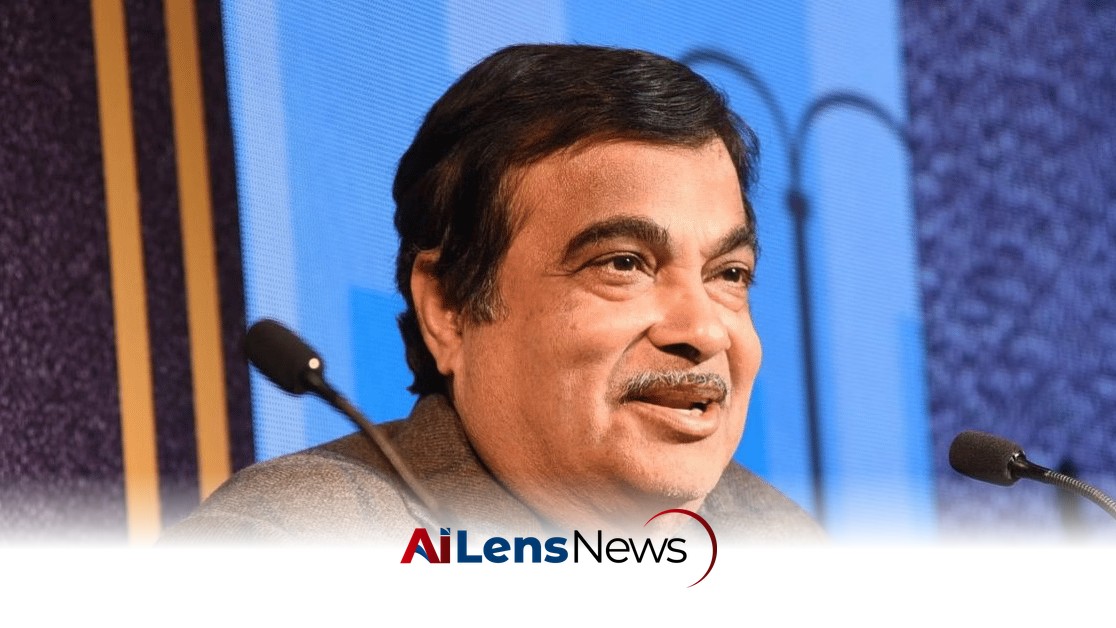


The Bombay High Court has allowed Union minister Nitin Gadkari to sue Meta, Google, X, and others over AI-generated deepfakes linking him to the E20 fuel programme.
New Delhi, India Jul 27, 2026 ALN: The Bombay High Court has recently made a significant ruling that allows Union minister Nitin Gadkari to initiate a civil suit against major technology companies, including Meta, Google, and X (formerly known as Twitter). This legal action arises from the alleged circulation of artificial intelligence (AI)-generated deepfakes and defamatory content on social media platforms that improperly link Gadkari to the Indian government's E20 fuel programme. The decision by the court marks a pivotal moment in the ongoing discourse surrounding the regulation of AI-generated content and its implications for public figures.
The E20 fuel programme is a crucial initiative launched by the Indian government, aimed at promoting the use of ethanol-blended petrol. This program is a part of a broader strategy to reduce the country's dependence on fossil fuels and enhance energy security. The initiative is seen as a step towards sustainable energy practices, aligning with global trends toward renewable energy sources. However, the E20 programme has also been met with a range of public reactions, from support for its environmental benefits to skepticism regarding its implementation and potential implications for consumers. The dissemination of false information regarding the programme's administration and beneficiaries could have far-reaching consequences, not only for individuals like Gadkari but also for public trust in government initiatives.
In his application to the Bombay High Court, Gadkari argued that the contested content was not only available globally on the internet but also accessible to users within Mumbai, thereby establishing the court's jurisdiction to hear the case. Jurisdiction is a critical element in legal proceedings, as it determines the authority of a court to adjudicate matters that may have originated outside its geographical boundaries. This aspect of the case underscores the complexities involved in addressing digital content that crosses international borders.
The proposed suit alleges that unknown individuals have circulated AI-generated videos, social media posts, and other misleading content that falsely portrays Gadkari as being directly responsible for the E20 fuel programme. Furthermore, the content suggests that he and his family have financially profited from the initiative. Such allegations, if left unchallenged, pose a significant threat to Gadkari's reputation and public image, which could impact his political career and public service. In the realm of politics, where public perception is crucial, these kinds of accusations can have devastating effects.
Gadkari has consistently maintained that the ethanol blending initiative is administered by the Ministry of Petroleum and Natural Gas, thereby distancing himself from any personal financial gain or responsibility concerning the programme. He insists that the allegations made against him are not only false but also defamatory, warranting legal action to protect his reputation, goodwill, and personality rights. The protection of one's reputation is a fundamental aspect of civil law, and Gadkari's case highlights the importance of safeguarding individual dignity in the face of potentially damaging misinformation.
According to the suit, the content in question utilized AI-generated versions of Gadkari's name, image, likeness, facial features, and voice without his consent. This unauthorized use of his likeness and personal attributes is alleged to have caused "grave and irreparable" harm to his reputation. The implications of such unauthorized use of AI technology extend beyond personal grievances, raising critical questions about the ethical and legal boundaries of AI-generated content and its potential for misuse. As AI technology continues to evolve, the legal frameworks that govern its use must also adapt to address these emerging challenges.
In addition to targeting Meta, Google, and X, the suit also names the Ministry of Electronics and Information Technology (MeitY), the Department of Telecommunications (DoT), and unidentified content creators as John Doe defendants. This broad approach reflects a growing trend in litigation related to digital content, where multiple parties may bear responsibility for the dissemination of false or misleading information. The inclusion of government entities in the suit indicates a recognition of the role that regulatory bodies play in overseeing digital platforms and their content.
Notably, Gadkari has emphasized that this legal action is not intended to suppress legitimate criticism or public debate. Instead, he argues that the suit seeks to address content that crosses the line from fair criticism into unlawful speech. This distinction is crucial in the ongoing discourse surrounding freedom of expression, particularly in the context of social media, where the line between legitimate commentary and defamatory content can often become blurred. The challenge lies in balancing the right to free speech with the need to protect individuals from harmful misinformation.
The case represents a continuation of the increasing legal challenges surrounding AI-generated deepfakes in India. Just last week, another Union minister, Piyush Goyal, filed a police complaint alleging that his remarks made outside Parliament were maliciously altered using AI technology and circulated as a deepfake. This incident underscores the rising concern among public figures regarding the manipulation of their images and words through advanced technology, which can easily mislead the public and distort the truth. As more politicians and public figures become targets of deepfake technology, the urgency for legal and regulatory responses becomes more pronounced.
In response to these growing concerns, the Indian government has intensified its scrutiny of AI-generated content on social media platforms. MeitY has issued multiple advisories urging intermediaries to take proactive measures to curb the spread of unlawful, abusive, defamatory, and misleading AI-generated content. These advisories caution that non-compliance with these directives could jeopardize the safe harbor protections that social media companies currently enjoy under the Information Technology Act. This regulatory pressure reflects a broader global trend where governments are grappling with the challenges posed by rapidly advancing AI technologies and their implications for society.
The implications of Gadkari's legal action extend beyond his personal circumstances, touching on larger themes of digital ethics, accountability, and the role of technology companies in moderating content. As deepfakes and AI-generated misinformation become more prevalent, the responsibility of social media platforms to monitor and manage such content remains a contentious issue. Legal frameworks may need to evolve to address the unique challenges posed by AI technologies, especially in terms of protecting individuals from defamation while also safeguarding free speech. The outcome of this case could set a significant precedent for future legal actions involving AI-generated content, potentially influencing how other jurisdictions approach similar challenges.
As this case unfolds, it may serve as a precedent for future legal actions involving AI-generated content in India and potentially influence how other jurisdictions approach similar challenges. The outcome could have significant ramifications for the intersection of technology, law, and public discourse, highlighting the need for a balanced approach that protects individuals from harm while fostering an environment conducive to healthy debate and discussion. The evolving landscape of digital content regulation will require ongoing dialogue among lawmakers, technology companies, and civil society to ensure that the rights of individuals are upheld while also promoting innovation and free expression in the digital age.
To learn more about the latest developments in Startup Policies & Regulations, stay updated with our exclusive reports and analyses on AiLensNews.

